



Introduction
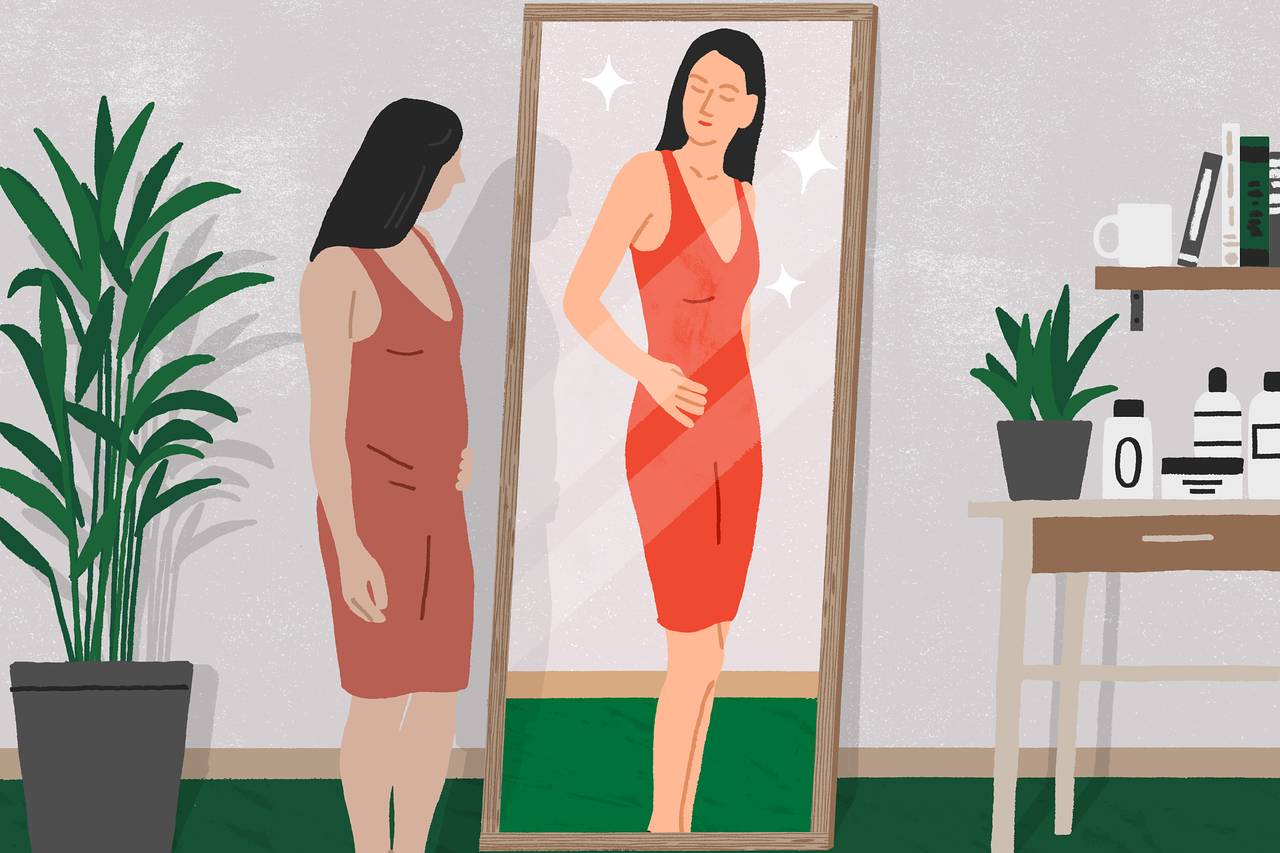
Many people believe that looking slim automatically means they are fit. While having a lean body can be one sign of health, true fitness is measured by strength, endurance, mobility, energy levels, and overall well-being—not just appearance. A person can look thin yet have weak muscles, poor cardiovascular health, and low stamina.
Real strength comes from a combination of proper nutrition, consistent exercise, quality sleep, stress management, and healthy daily habits. This guide explains how to transform your body from simply looking fit to actually becoming stronger and healthier.
What Is Real Strength?
Real strength is your body’s ability to perform daily activities efficiently while maintaining physical and mental health. It includes:
- Muscular strength
- Muscular endurance
- Bone health
- Heart and lung fitness
- Mobility and flexibility
- Mental resilience
- Recovery ability
- Energy throughout the day
A strong body performs well—not just looks good.
Why Looking Slim Doesn’t Always Mean You’re Fit
Someone may appear lean but still experience:
- Low muscle mass
- Weak bones
- Poor posture
- Lack of stamina
- High body fat despite low weight
- Nutrient deficiencies
- Low energy
- Increased injury risk
This condition is sometimes referred to as being “skinny fat,” where body weight is normal but muscle mass is low and body fat percentage is relatively high.
Step 1: Prioritize Protein
Protein is the building block of muscles.
Best Protein Sources
Animal Sources
- Eggs
- Chicken
- Fish
- Turkey
- Greek yogurt
- Cottage cheese
- Lean beef
Plant Sources
- Lentils
- Chickpeas
- Beans
- Soybeans
- Tofu
- Tempeh
- Quinoa
- Peanuts
Aim to include protein in every meal to support muscle repair and growth.
Step 2: Eat Enough Calories
Many people trying to stay slim accidentally eat too little.
To gain strength:
- Avoid extreme dieting.
- Eat enough to fuel workouts and recovery.
- Focus on whole, nutrient-dense foods.
Choose:
- Whole grains
- Fruits
- Vegetables
- Healthy fats
- Lean proteins
Step 3: Include Healthy Carbohydrates
Carbohydrates are your body’s preferred energy source.
Healthy carbs include:
- Oats
- Brown rice
- Sweet potatoes
- Whole wheat bread
- Fruits
- Beans
- Millets
Carbs provide fuel for strength training and help replenish muscle glycogen.
Step 4: Don’t Fear Healthy Fats
Healthy fats support:
- Hormone production
- Brain function
- Joint health
- Recovery
Good sources include:
- Nuts
- Seeds
- Avocados
- Olive oil
- Fatty fish
Step 5: Stay Hydrated
Water helps:
- Deliver nutrients
- Regulate body temperature
- Improve workout performance
- Prevent fatigue
- Support muscle function
Drink water consistently throughout the day, especially before, during, and after exercise.
Step 6: Lift Weights or Do Resistance Training
Strength doesn’t come from diet alone.
Include:
- Squats
- Push-ups
- Pull-ups
- Deadlifts
- Lunges
- Rows
- Resistance bands
- Dumbbell exercises
Train major muscle groups 2–4 times per week while gradually increasing resistance over time.
Step 7: Improve Functional Fitness
Real-life strength matters.
Practice movements like:
- Carrying groceries
- Climbing stairs
- Hiking
- Bodyweight exercises
- Farmer’s carries
- Kettlebell movements
Functional fitness improves balance, coordination, and everyday performance.
Step 8: Get Enough Sleep
Muscles grow during recovery—not during workouts.
Aim for:
- 7–9 hours of quality sleep each night.
Poor sleep can reduce:
- Muscle recovery
- Hormone balance
- Motivation
- Athletic performance
Step 9: Manage Stress
Chronic stress increases cortisol, which may:
- Slow muscle growth
- Increase fat storage
- Reduce recovery
- Affect sleep quality
Helpful habits include:
- Meditation
- Deep breathing
- Walking
- Reading
- Spending time outdoors
- Talking with friends
Step 10: Be Consistent
Strength develops gradually.
Focus on:
- Regular workouts
- Balanced meals
- Proper hydration
- Good sleep
- Progressive improvement
Small daily actions produce lasting results.
Key Nutrients for Strength
Include foods rich in:
- Protein
- Calcium
- Vitamin D
- Magnesium
- Potassium
- Iron
- Zinc
- Omega-3 fatty acids
These nutrients support muscles, bones, nerves, and recovery.
Sample Daily Strength-Focused Meal Plan
Breakfast
- Oatmeal with milk
- Eggs or tofu
- Banana
Snack
- Greek yogurt with berries
- Mixed nuts
Lunch
- Brown rice
- Grilled chicken or lentils
- Mixed vegetables
Snack
- Apple
- Peanut butter
Dinner
- Fish or paneer
- Sweet potato
- Salad
Before Bed
- Cottage cheese or milk
Lifestyle Habits That Build Real Fitness
- Walk daily
- Stretch regularly
- Maintain good posture
- Limit processed foods
- Avoid smoking
- Moderate alcohol intake
- Spend time outdoors
- Track progress beyond the scale
Signs You’re Becoming Stronger
Instead of focusing only on appearance, notice if you:
- Lift heavier weights
- Recover faster
- Feel more energetic
- Improve posture
- Sleep better
- Have better balance
- Climb stairs more easily
- Experience fewer aches and injuries
These improvements are often better indicators of fitness than body weight alone.
Common Mistakes to Avoid
- Eating too little
- Skipping protein
- Only doing cardio
- Ignoring recovery
- Chasing quick fixes
- Comparing yourself to others
- Overtraining
- Neglecting hydration
Final Thoughts
Looking slim may improve confidence, but real fitness is about what your body can do—not just how it looks. By eating balanced meals rich in protein and whole foods, staying active with resistance training, getting enough sleep, managing stress, and maintaining consistent habits, you can build genuine strength that supports long-term health and everyday performance.

