



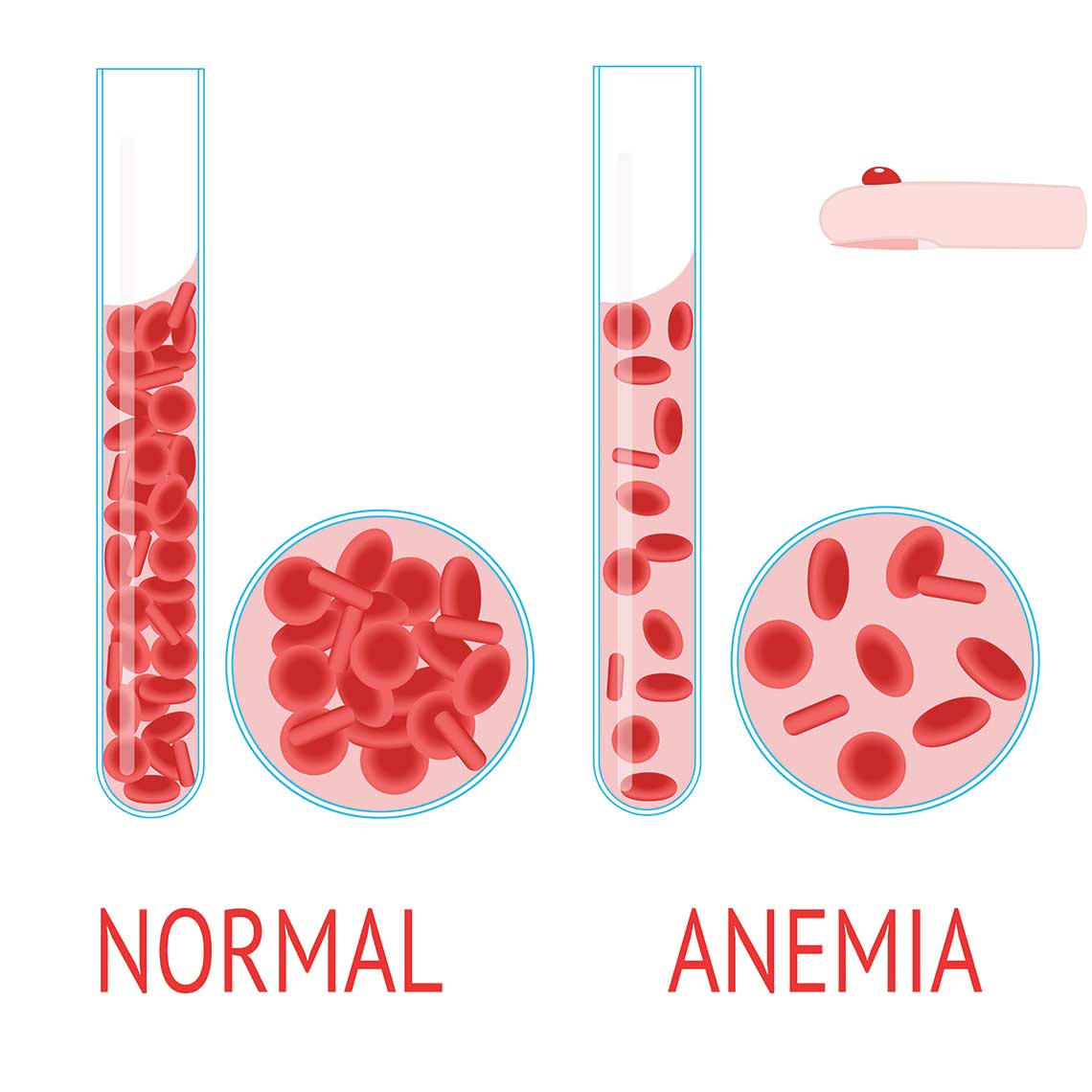
Iron deficiency is one of the most common nutritional deficiencies worldwide, and women—particularly those who menstruate, are pregnant or are in the postpartum period—can have a higher risk of developing iron-deficiency anemia.
Many people associate anemia only with not eating enough iron-rich foods. However, diet is only one part of the picture. Regular blood loss, increased iron requirements during pregnancy and certain health conditions can also contribute to iron deficiency.
Here are some important reasons why women may be more vulnerable.
1. Menstrual Blood Loss
One of the major reasons is regular menstrual bleeding.
During menstruation, the body loses a small amount of blood and therefore iron. Women with heavy or prolonged periods may lose more blood and iron than usual, increasing their risk of iron deficiency.
If heavy periods occur regularly, simply adding more iron-rich foods may not address the underlying cause. Medical evaluation can be important.
2. Pregnancy Increases Iron Requirements
During pregnancy, the body’s need for iron increases significantly.
Iron is needed to support the mother’s increased blood volume and the developing baby and placenta. If dietary intake and iron stores are not sufficient, iron deficiency can develop.
For this reason, healthcare professionals commonly monitor iron status during pregnancy and may recommend iron supplementation when appropriate.
3. Blood Loss During Childbirth
Blood loss during delivery can further reduce the body’s iron stores.
Women who already have low iron levels during pregnancy may be particularly vulnerable to developing anemia after childbirth.
Postpartum iron status may therefore need attention, especially when there has been significant blood loss.
4. Poor Absorption of Iron
Even when someone consumes enough iron, the body may not absorb all of it.
Certain gastrointestinal conditions can interfere with nutrient absorption. Some dietary factors can also affect how much iron the body absorbs.
Vitamin C can improve the absorption of non-heme iron, the form of iron found mainly in plant foods. Including foods such as citrus fruits, guava or tomatoes alongside plant-based iron sources can therefore be helpful.
5. Certain Health Conditions Can Cause Blood Loss
Iron deficiency can sometimes be caused by ongoing blood loss from somewhere other than menstruation.
For example, gastrointestinal bleeding can lead to gradual iron loss. Certain medical conditions, ulcers or other sources of bleeding may be responsible.
This is why unexplained or persistent iron deficiency should not automatically be attributed to diet.
6. Increased Iron Needs During Adolescence
Teenage girls may also be at increased risk because their bodies are growing while menstruation may have started.
Growth increases nutritional requirements, while menstrual blood loss adds another source of iron loss.
A balanced diet containing adequate iron is particularly important during this stage.
7. Vegetarian or Vegan Diets May Require Extra Attention
Plant-based diets can absolutely provide enough iron when well planned. However, the iron found in plant foods is non-heme iron, which is generally absorbed less efficiently than heme iron from animal foods.
People following vegetarian or vegan diets should therefore pay attention to regular sources of iron such as legumes, lentils, beans, tofu, nuts, seeds and iron-fortified foods, while also including vitamin-C-rich foods.
Common Symptoms of Iron-Deficiency Anemia
Iron deficiency can develop gradually, and symptoms may not always be obvious at first.
Possible symptoms include:
- Persistent tiredness or weakness
- Pale skin
- Headaches
- Dizziness
- Shortness of breath, particularly with exertion
- Feeling unusually cold
- Poor concentration
- Fast or noticeable heartbeat
- Brittle nails or hair changes in some people
These symptoms can have many causes, so they should not be used alone to diagnose anemia.
What Can Women Do?
A balanced diet can help maintain adequate iron intake. Good dietary sources include:
- Lentils and beans
- Chickpeas
- Soy and tofu
- Dark green leafy vegetables
- Nuts and seeds
- Meat, poultry and seafood
- Eggs
- Iron-fortified foods
Pairing plant-based iron sources with vitamin-C-rich foods can help the body absorb non-heme iron more effectively.
However, if anemia keeps returning, periods are unusually heavy, or blood tests show significant iron deficiency, it is important to look for the underlying cause rather than simply taking iron supplements without medical advice.
Bottom Line
Women can have a higher risk of iron-deficiency anemia for several reasons—not just because of diet. Menstrual blood loss, pregnancy, childbirth, increased requirements during adolescence, reduced iron absorption and other sources of blood loss can all play a role.
A nutritious diet is important, but persistent or unexplained anemia deserves medical evaluation to identify and treat the underlying cause.

