



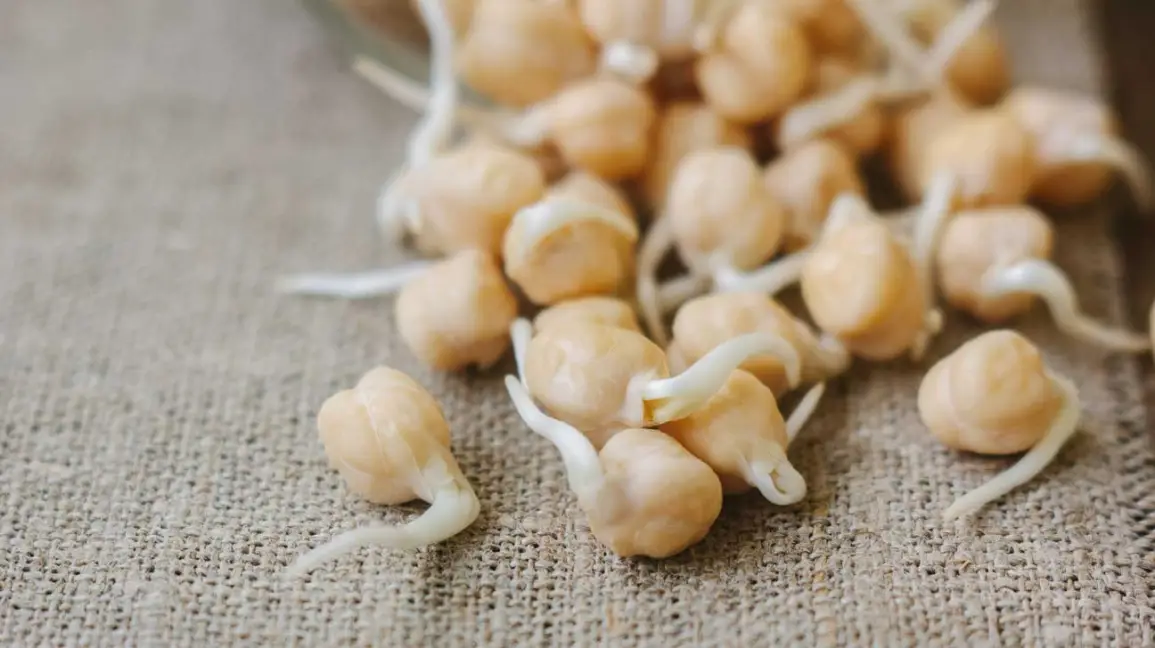
Sprouted grains and legumes are among the most nutritious foods you can include in your daily diet. During the sprouting process, seeds begin to germinate, increasing the availability of certain vitamins and making some nutrients easier to absorb. They are rich in protein, fiber, vitamins, minerals, antioxidants, and beneficial plant compounds that support overall health.
Although sprouts are not a cure for weight gain, hair loss, or weak immunity, eating them regularly as part of a balanced diet may help improve nutrition and support many body functions.
This complete guide explains everything you need to know about sprouted grains, their nutritional value, health benefits, safe preparation, and the best ways to include them in your morning routine.
What Are Sprouted Grains?
Sprouted grains or legumes are seeds that have been soaked in water and allowed to germinate until a small shoot appears.
Common examples include:
- Sprouted green gram (moong)
- Sprouted chickpeas (chana)
- Sprouted lentils (masoor)
- Sprouted black gram (urad)
- Sprouted fenugreek seeds
- Sprouted wheat
- Sprouted alfalfa
- Sprouted mung beans
The sprouting process activates natural enzymes that change the nutritional profile of the seeds.
Nutritional Value of Sprouted Grains
Sprouts are an excellent source of:
- Plant-based protein
- Dietary fiber
- Vitamin C
- B vitamins
- Vitamin K
- Iron
- Magnesium
- Zinc
- Potassium
- Folate
- Calcium (varies by type)
- Antioxidants
Sprouting can also reduce compounds such as phytates, making some minerals easier for the body to absorb.
1. Supports a Strong Immune System
Sprouts contain:
- Vitamin C
- Zinc
- Antioxidants
- Phytochemicals
These nutrients help support the normal function of the immune system and protect cells from oxidative stress.
2. Promotes Healthy Hair
Hair health depends on adequate nutrition.
Sprouts provide:
- Protein
- Iron
- Zinc
- Folate
- Biotin-related nutrients
- Vitamin C
These nutrients support healthy hair growth and help maintain strong hair, although hair loss can also have hormonal, genetic, or medical causes that require evaluation.
3. Supports Healthy Skin
The antioxidants and vitamins in sprouts help:
- Protect skin cells
- Support collagen production
- Promote healthy skin
- Reduce oxidative damage
4. Helps with Weight Management
Sprouts are:
- High in fiber
- Rich in protein
- Low in calories
This combination helps increase fullness, making it easier to control hunger and reduce unnecessary snacking.
Sprouts support healthy weight management when combined with a balanced diet and regular physical activity.
5. Improves Digestion
Sprouts are easier to digest than many unsprouted legumes.
Their fiber supports:
- Regular bowel movements
- Healthy gut bacteria
- Better digestive health
Digestive enzymes activated during sprouting may also aid digestion.
6. Supports Heart Health
Regular consumption of sprouts may contribute to heart health by providing:
- Fiber
- Potassium
- Magnesium
- Antioxidants
These nutrients can support healthy cholesterol levels and blood pressure as part of an overall heart-healthy diet.
7. Helps Maintain Healthy Blood Sugar
The fiber and protein in sprouts slow digestion and may help reduce rapid increases in blood sugar after meals.
People with diabetes can include sprouts as part of an individualized meal plan recommended by their healthcare provider.
8. Builds Strong Muscles
Protein is essential for:
- Muscle repair
- Muscle growth
- Recovery after exercise
Sprouted legumes are a valuable plant-based protein source, especially for vegetarians and vegans.
9. Supports Bone Health
Sprouts contain minerals such as:
- Calcium (varies)
- Magnesium
- Phosphorus
- Vitamin K
These nutrients contribute to maintaining healthy bones.
10. Increases Energy Levels
Sprouts provide:
- Complex carbohydrates
- Iron
- B vitamins
- Protein
Together, these nutrients help support normal energy production throughout the day.
11. Supports Healthy Pregnancy
Sprouts contain:
- Folate
- Iron
- Protein
- Fiber
These nutrients are important during pregnancy. However, raw sprouts can carry bacteria, so pregnant individuals are generally advised to eat thoroughly cooked sprouts rather than raw ones.
12. Supports Healthy Aging
The antioxidants found in sprouts help reduce oxidative stress, supporting healthy aging and overall wellness.
13. May Improve Nutrient Absorption
Sprouting reduces phytic acid, an antinutrient that can limit the absorption of certain minerals.
As a result, minerals such as iron and zinc may become more bioavailable.
14. Good for Gut Health
The fiber in sprouts acts as food for beneficial gut bacteria, helping maintain a healthy digestive system.
Best Sprouts to Eat
Some of the most nutritious options include:
- Sprouted green gram (moong)
- Sprouted chickpeas
- Sprouted lentils
- Sprouted black gram
- Sprouted soybeans
- Sprouted wheat
- Sprouted fenugreek
- Sprouted alfalfa
Eating a variety provides a wider range of nutrients.
Best Time to Eat Sprouts
Many people enjoy sprouts:
- At breakfast
- As a mid-morning snack
- In salads
- With lunch
There is no single “best” time—the key is including them regularly in a balanced diet.
Healthy Ways to Eat Sprouts
Try them:
- In fresh salads
- Mixed with vegetables
- In sandwiches
- In wraps
- Added to soups
- Stir-fried
- Lightly steamed
- With yogurt
- In grain bowls
- With lemon juice and herbs
Should Sprouts Be Cooked?
Raw sprouts can sometimes be contaminated with bacteria such as Salmonella or E. coli, because the warm, moist conditions used for sprouting can also allow bacteria to grow.
People at higher risk of foodborne illness—including pregnant individuals, young children, older adults, and people with weakened immune systems—should choose thoroughly cooked sprouts.
If eating raw sprouts:
- Buy from a reliable source.
- Keep them refrigerated.
- Wash them well.
- Discard sprouts that smell unpleasant or look slimy.
How Much Should You Eat?
A typical serving is about:
½ to 1 cup of sprouts per day
The ideal amount varies depending on your overall diet and nutritional needs.
Who Should Be Careful?
Consult a healthcare professional if:
- You have a weakened immune system.
- You are pregnant and plan to eat raw sprouts.
- You experience digestive discomfort after eating sprouts.
- You have food allergies related to specific legumes or grains.
Common Myths About Sprouts
Myth: Sprouts cure hair loss.
Fact: Sprouts provide nutrients that support healthy hair, but they do not cure all causes of hair loss.
Myth: Sprouts alone cause weight loss.
Fact: Weight management depends on overall calorie intake, physical activity, sleep, and other lifestyle factors.
Myth: The more sprouts you eat, the healthier you become.
Fact: A balanced diet with a variety of foods is healthier than relying heavily on any single food.
Frequently Asked Questions (FAQs)
Are sprouts good for immunity?
Yes. Sprouts contain vitamins, minerals, and antioxidants that support normal immune function.
Can sprouts help with hair growth?
They provide nutrients important for healthy hair, such as protein, iron, zinc, and folate, but they are not a guaranteed treatment for hair loss.
Are sprouts good for weight loss?
They can support weight management because they are high in protein and fiber while relatively low in calories.
Can I eat sprouts every day?
For most healthy adults, sprouts can be enjoyed daily as part of a varied and balanced diet.
Are raw sprouts safe?
Raw sprouts can carry harmful bacteria. Proper handling is important, and some people should choose cooked sprouts instead.
Conclusion
Sprouted grains and legumes are nutrient-rich foods that can be an excellent addition to a healthy breakfast. They provide protein, fiber, vitamins, minerals, and antioxidants that support immunity, digestion, heart health, energy levels, and healthy hair and skin. While sprouts are not a cure for conditions such as weight gain or hair loss, they can contribute to overall wellness when combined with a balanced diet, regular exercise, adequate sleep, and healthy lifestyle habits.
Including a bowl of properly prepared sprouts in your morning routine is a simple, affordable, and nutritious way to increase your intake of plant-based nutrients and support long-term health.

