



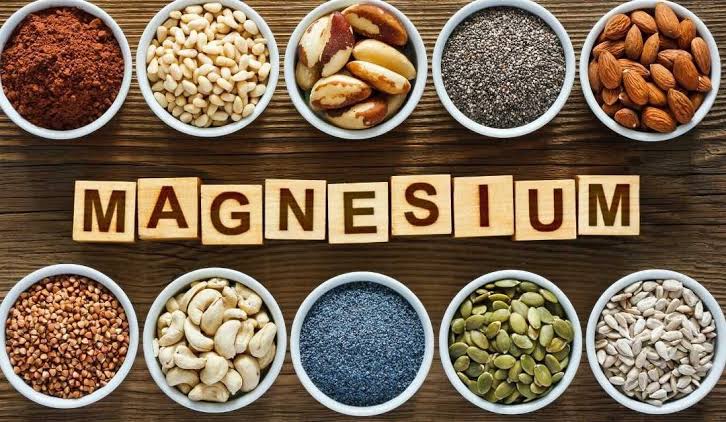
Do you often feel tired, weak or low on energy? While fatigue can have many causes, including poor sleep, stress, anemia, thyroid problems and other health conditions, inadequate magnesium intake can also contribute to health problems. Magnesium is an essential mineral involved in muscle and nerve function, energy production and many other processes in the body.
Instead of relying on supplements without medical advice, adding magnesium-rich foods to a balanced diet can be a good way to support your nutritional needs.
1. Pumpkin seeds
Pumpkin seeds are one of the richest food sources of magnesium. They can also provide protein, healthy fats and other nutrients.
How to include them: Add a small handful to salads, yogurt, oatmeal or homemade snacks.
2. Spinach and other leafy greens
Leafy green vegetables such as spinach contain magnesium along with folate, vitamin K and other nutrients.
How to include them: Add spinach to vegetables, soups, dals, smoothies or salads.
3. Almonds
Almonds are a convenient source of magnesium and also provide healthy fats, protein and fiber.
How to include them: Have a small portion as a snack or add chopped almonds to oatmeal or yogurt.
4. Beans and legumes
Beans, chickpeas and other legumes can contribute magnesium to the diet while also providing protein and dietary fiber.
How to include them: Add them to dal, salads, soups, curries or other meals.
5. Dark chocolate
Dark chocolate with a high cocoa content can provide magnesium, although it can also contain significant amounts of calories and added sugar.
How to include it: Choose a small portion of dark chocolate with a higher cocoa percentage rather than consuming large amounts.
Why is magnesium important?
Magnesium helps the body with several important functions, including:
- Normal muscle and nerve function
- Energy production
- Maintaining normal blood pressure
- Supporting healthy bones
- Normal blood glucose regulation
Severe magnesium deficiency can cause symptoms such as muscle cramps, weakness, fatigue, nausea and abnormal heart rhythms. However, these symptoms can also occur because of many other health conditions.
Can food alone correct magnesium deficiency?
For many people, a balanced diet can provide adequate magnesium. However, a confirmed or significant deficiency may require medical evaluation and, in some cases, supplementation. Do not start high-dose magnesium supplements on your own, particularly if you have kidney problems or take regular medicines.
Conclusion
Feeling tired or weak does not necessarily mean you have a magnesium deficiency. But including nutritious magnesium-rich foods such as pumpkin seeds, leafy greens, almonds, legumes and dark chocolate can help support a balanced diet. If fatigue or weakness is persistent, consult a healthcare professional to identify the underlying cause rather than assuming it is due to magnesium deficiency.

