



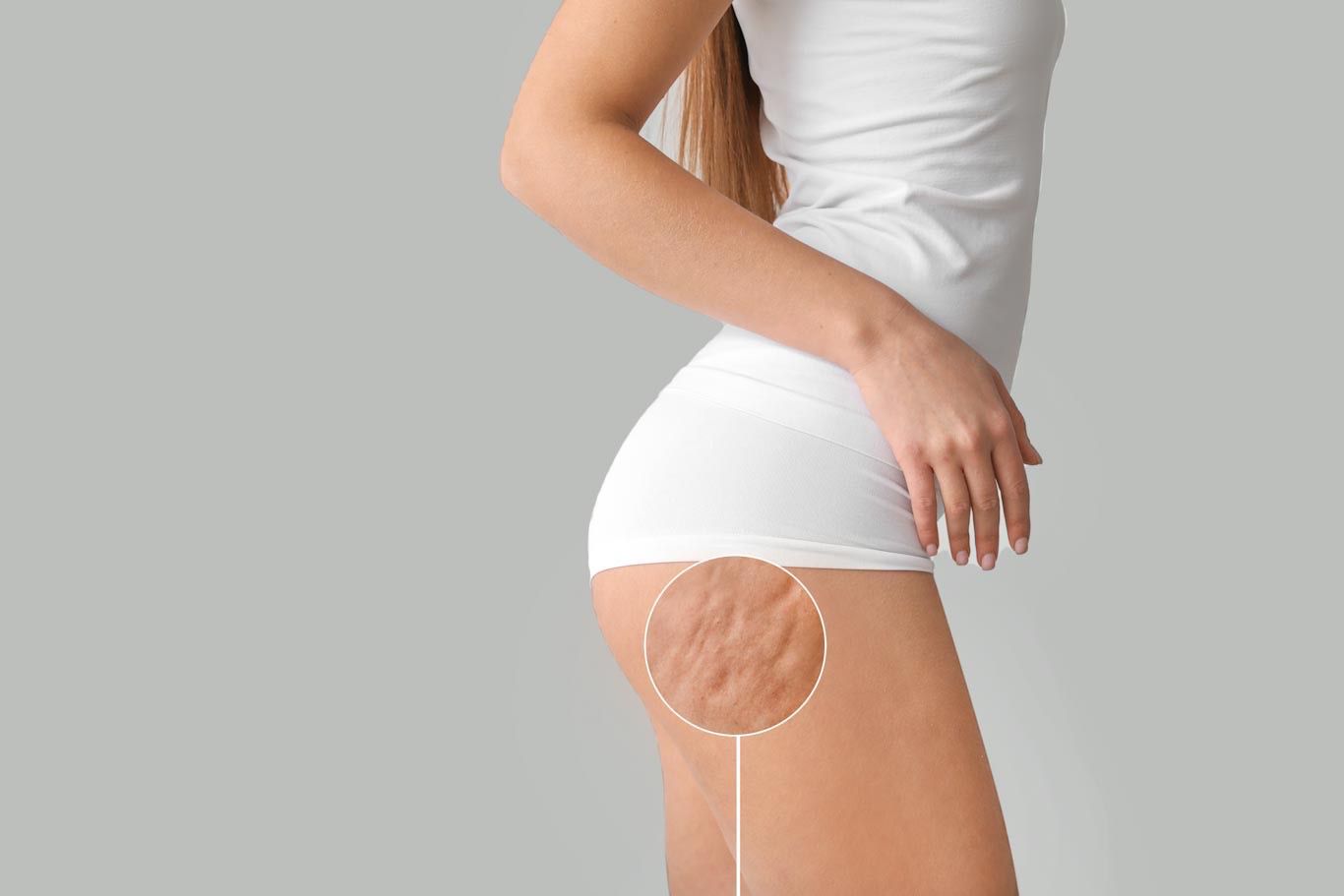
Cellulite is one of the most common cosmetic concerns, affecting 80–90% of women after puberty and some men as well. It appears as dimpled or lumpy skin, most often on the thighs, hips, buttocks, and abdomen. Although cellulite is completely normal and does not indicate poor health, many people look for ways to reduce its appearance.
Unfortunately, the beauty industry is filled with misleading claims and miracle products. Understanding the truth behind common myths can help you avoid wasting time and money while focusing on approaches that may actually improve skin appearance.
What Is Cellulite?
Cellulite develops when fat cells beneath the skin push upward against the skin while fibrous connective tissue pulls downward. This interaction creates the characteristic “orange peel” or “cottage cheese” appearance.
Several factors influence cellulite, including:
- Genetics
- Hormonal changes (especially estrogen)
- Age
- Skin thickness
- Body fat distribution
- Reduced collagen and skin elasticity
Importantly, cellulite is not a disease and usually requires no medical treatment.
Myth 1: Only Overweight People Get Cellulite
The Myth
Many people believe cellulite is caused solely by excess body fat.
The Truth
Cellulite affects people of all body sizes, including those who are slim or athletic. While having more body fat can make cellulite more noticeable, it is not the primary cause.
The structure of connective tissue, genetics, and hormones play major roles.
Why This Matters
Losing weight may reduce the visibility of cellulite in some individuals, but it does not guarantee its disappearance.
Myth 2: Cellulite Can Be Permanently Removed
The Myth
Advertisements often promise permanent cellulite removal with creams, massages, or devices.
The Truth
There is currently no permanent cure for cellulite.
Many treatments improve its appearance temporarily by:
- Increasing blood circulation
- Reducing fluid retention
- Stimulating collagen production
- Tightening the skin
However, maintenance treatments are often needed to sustain results.
Why This Matters
Be cautious of products that promise “100% permanent” cellulite removal.
Myth 3: Anti-Cellulite Creams Eliminate Cellulite
The Myth
Applying a cream alone can erase cellulite.
The Truth
Most creams provide only modest and temporary improvements.
Some ingredients, such as caffeine or retinol, may:
- Slightly tighten the skin
- Improve skin texture
- Reduce water retention
- Make dimples less noticeable
However, creams cannot change the underlying structure of fat and connective tissue, which causes cellulite.
Why This Matters
Creams may help improve skin appearance but should not be expected to produce dramatic or permanent results.
Myth 4: Exercise Completely Gets Rid of Cellulite
The Myth
Working out will eliminate cellulite.
The Truth
Exercise is one of the best ways to improve overall body composition and muscle tone, but it cannot completely remove cellulite.
Regular physical activity can:
- Reduce excess body fat
- Increase muscle definition
- Improve circulation
- Enhance skin appearance
These changes often make cellulite less visible, though it may still remain.
Best Types of Exercise
- Strength training
- Walking
- Cycling
- Swimming
- Resistance exercises
- Squats and lunges
Myth 5: Cellulite Is Caused by Toxins
The Myth
Many detox products claim cellulite results from toxins trapped under the skin.
The Truth
There is no scientific evidence that toxins cause cellulite.
The body naturally removes waste through:
- The liver
- The kidneys
- The digestive system
Detox drinks, wraps, or cleanses do not eliminate cellulite.
Why This Matters
Avoid spending money on detox products marketed as cellulite cures.
What Actually Helps Reduce the Appearance of Cellulite?
Although cellulite cannot usually be eliminated completely, several evidence-based approaches may improve its appearance:
1. Regular Exercise
Exercise builds muscle and reduces excess fat, making skin look smoother.
2. Healthy Diet
A balanced diet rich in:
- Fruits
- Vegetables
- Whole grains
- Lean protein
- Healthy fats
supports healthy skin and body composition.
Reducing excess sugar and processed foods may also help maintain a healthy weight.
3. Staying Hydrated
Good hydration supports overall skin health and may improve skin texture, although it does not remove cellulite.
4. Maintaining a Stable Weight
Frequent weight gain and loss can make cellulite more noticeable.
Maintaining a healthy, stable weight may help reduce its appearance.
5. Medical and Cosmetic Treatments
Some dermatological procedures have shown benefits, including:
- Laser therapy
- Radiofrequency treatments
- Acoustic wave therapy
- Subcision (a procedure that releases the fibrous bands causing dimples)
- Collagen-stimulating treatments
These treatments vary in effectiveness and often require repeated sessions. Consulting a qualified dermatologist or cosmetic surgeon is important before choosing a procedure.
Why Women Are More Likely to Develop Cellulite
Women develop cellulite more often because:
- Their connective tissue is arranged differently than men’s.
- They naturally have a higher percentage of body fat.
- Estrogen influences fat storage and skin structure.
Men can develop cellulite too, but it is less common.
Can Lifestyle Prevent Cellulite?
Lifestyle cannot completely prevent cellulite because genetics and hormones play major roles.
However, healthy habits can reduce its severity by:
- Maintaining muscle tone
- Supporting collagen production
- Preventing excessive weight gain
- Improving circulation
- Promoting healthy skin
When Should You See a Doctor?
Cellulite itself is harmless and usually does not require medical attention.
However, consult a healthcare professional if you notice:
- Sudden swelling
- Pain
- Redness
- Skin infection
- Rapid changes in skin appearance
These symptoms may indicate a condition other than cellulite.
Key Takeaways
- Cellulite is extremely common and is not a sign of poor health.
- People of all body sizes can develop cellulite.
- No cream, massage, or diet can permanently remove cellulite.
- Exercise and a healthy lifestyle can improve body composition and make cellulite less noticeable.
- Detox products do not remove cellulite because toxins are not its cause.
- Some medical treatments may provide longer-lasting improvements, but none guarantee permanent results.
Conclusion
Cellulite is a natural feature of human skin rather than a medical problem. While countless products promise quick fixes, the evidence shows that there is no permanent cure. The most effective strategy is to maintain a healthy lifestyle, stay physically active, eat a balanced diet, and have realistic expectations. If you seek additional improvement, discuss scientifically supported treatment options with a qualified dermatologist. Understanding these five myths allows you to make informed decisions and focus on approaches that are more likely to deliver meaningful, realistic results.

