



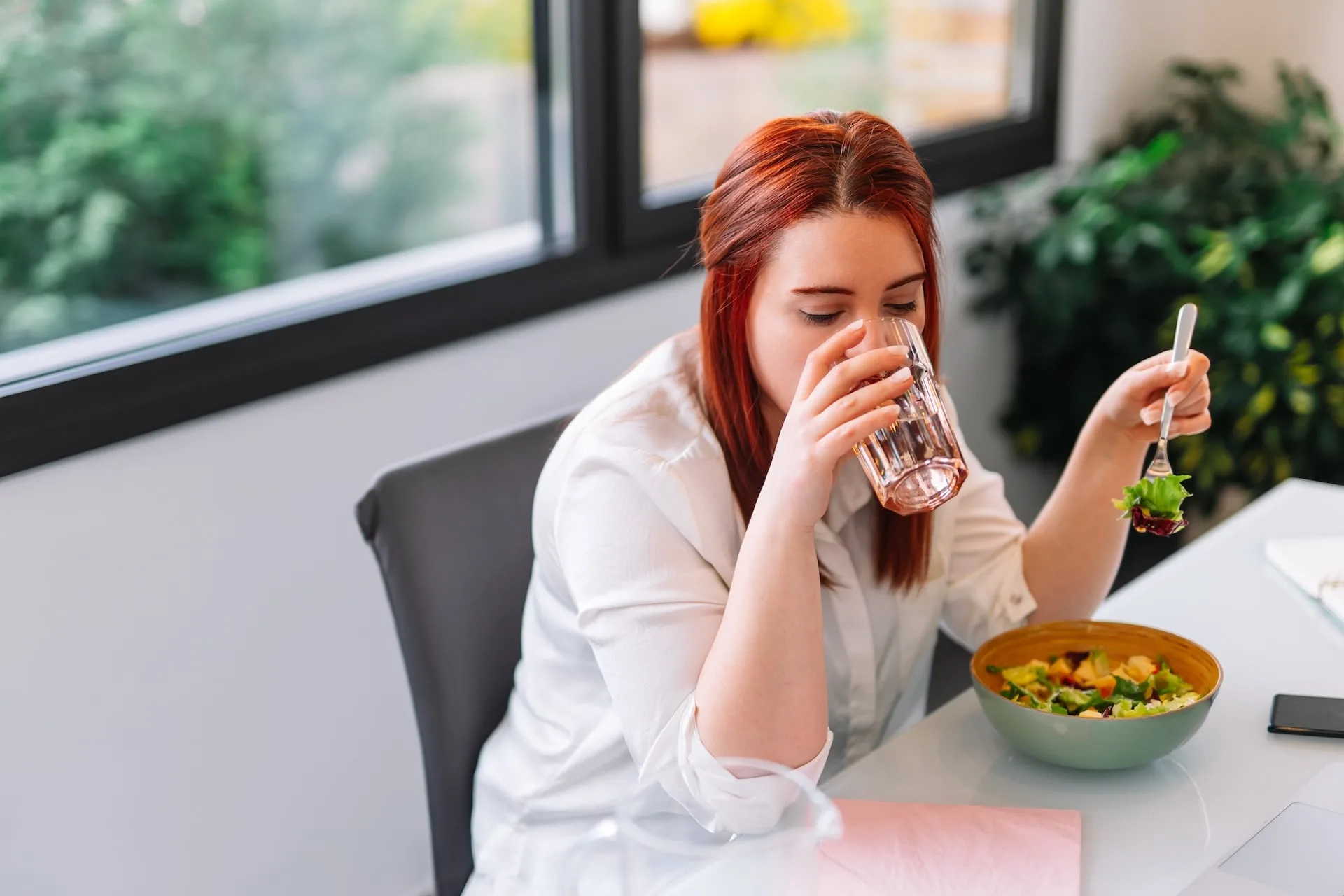
For years, people have been told not to drink water while eating because it supposedly dilutes stomach acid and slows down digestion. Some even believe that drinking water with meals can lead to bloating, indigestion, and poor nutrient absorption. But is there any truth to these claims?
The answer is no. According to experts, drinking water during meals is generally safe and can actually support the digestive process. Water helps break down food, aids nutrient absorption, and keeps the digestive system functioning smoothly. The key is to drink it in moderation rather than consuming large amounts all at once.
Does Drinking Water Affect Digestion?
One of the biggest myths surrounding meal-time hydration is that water weakens stomach acid. In reality, the stomach is highly efficient at regulating its digestive fluids. When food and liquids enter the stomach, it automatically adjusts acid and enzyme production to ensure proper digestion.
As a result, normal amounts of water consumed during meals do not interfere with digestion. Instead, water works alongside the digestive system to help process food more efficiently.
Benefits of Drinking Water While Eating
- Helps Break Down Food
Water helps soften food and break it into smaller particles, making it easier for the stomach and intestines to digest. This allows nutrients to be released and absorbed more effectively.
- Makes Swallowing Easier
Taking small sips of water during a meal can help food move smoothly from the mouth to the stomach. This is especially helpful when eating dry foods such as bread, rice, or crackers.
- Supports Nutrient Absorption
Water plays a crucial role in transporting vitamins, minerals, and other nutrients throughout the body. Staying hydrated helps ensure that the nutrients from your food are absorbed and utilized efficiently.
- Prevents Constipation
Proper hydration is essential for healthy digestion. Drinking enough water helps keep stools soft and promotes regular bowel movements, reducing the risk of constipation.
- May Help Prevent Overeating
Water can contribute to a feeling of fullness during meals. As a result, it may help people avoid overeating and better manage their calorie intake.
- Supports Overall Digestive Health
The digestive system relies on adequate hydration to function properly. Water helps move food through the digestive tract and supports the body’s natural digestive processes.
How Much Water Should You Drink During a Meal?
Experts generally recommend taking small sips of water throughout the meal rather than drinking large quantities at once. Around 150–250 ml (half to one glass) is sufficient for most people during a meal.
If you are very thirsty, you can also drink a glass of water about 15–30 minutes before eating. This helps maintain hydration without making you feel overly full during the meal.
Can Drinking Too Much Water During Meals Be Harmful?
While moderate water intake is beneficial, drinking several glasses of water very quickly during a meal may cause temporary discomfort, bloating, or a feeling of excessive fullness. However, this is usually due to the large volume of liquid rather than any negative effect on digestion itself.
The Final Verdict
Drinking water while eating is not harmful. In fact, it can support digestion by helping break down food, improving swallowing, aiding nutrient absorption, and preventing constipation. The best approach is to listen to your body’s thirst signals and drink water in moderation.
Bottom Line: You don’t need to avoid water during meals. A few small sips while eating can actually help your digestive system work more efficiently and keep your body properly hydrated.

