



Introduction
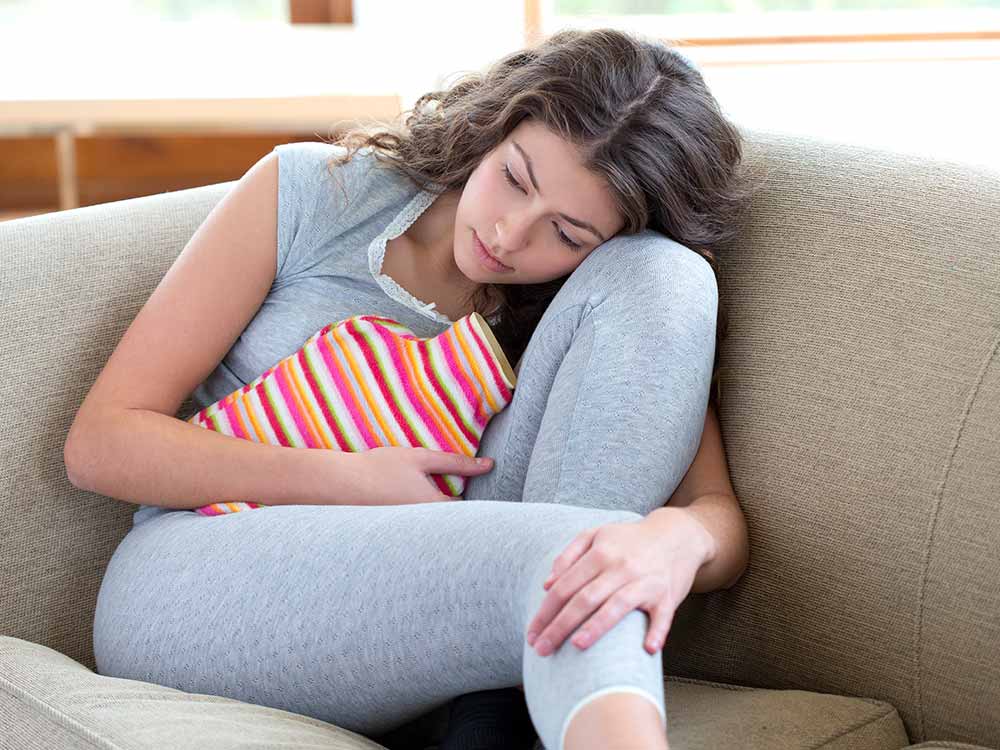
Period pain is common—but severe period pain is not something you should always learn to live with.
For some women, cramps are simply an uncomfortable part of their menstrual cycle. For others, intense pain, heavy bleeding, pelvic discomfort, painful sex, or bowel and bladder symptoms may be signs of endometriosis, a chronic condition that can significantly affect everyday life and reproductive health.
But there is another question researchers are increasingly exploring:
Could endometriosis also be connected to metabolic health, including diabetes?
The answer is more complicated than a simple yes or no.
Research suggests that women with endometriosis may have a higher risk of gestational diabetes during pregnancy. However, the relationship between endometriosis and type 2 diabetes is less clear, and current evidence does not prove that endometriosis directly causes diabetes.
Understanding the difference is important—not only for people living with endometriosis, but for anyone who has been told that severe period pain is “normal.”
First, How Much Period Pain Is Actually Normal?
Menstrual cramps, medically known as dysmenorrhea, are caused largely by substances called prostaglandins. These chemicals help the uterus contract during menstruation.
Mild to moderate cramping around the beginning of your period can therefore be completely normal.
You may experience:
- Lower abdominal cramps
- Lower-back pain
- Headache
- Fatigue
- Nausea
- Diarrhea
For many people, these symptoms improve within a few days and do not significantly interfere with daily life.
The concern arises when period pain becomes severe, persistent, or disruptive.
If you regularly have to miss work or college, cancel plans, stay in bed, or struggle to function because of your period, it is worth speaking with a healthcare professional. Severe menstrual pain can sometimes be a symptom of an underlying condition such as endometriosis.
What Is Endometriosis?
Endometriosis is a chronic condition in which tissue similar to the lining of the uterus grows outside the uterus.
It can develop around the:
- Ovaries
- Fallopian tubes
- Pelvic lining
- Bowel
- Bladder
- Other structures within the pelvis
These lesions respond to hormonal changes during the menstrual cycle and can trigger inflammation and irritation in surrounding tissues.
Over time, this inflammation may contribute to scar tissue and adhesions, which can cause organs in the pelvis to stick together.
This is one reason endometriosis can cause pain that goes far beyond ordinary menstrual cramps.
Signs That Your “Period Pain” May Be Something Else
Endometriosis does not look exactly the same in everyone.
Some people experience severe symptoms, while others have relatively mild symptoms—or even no obvious symptoms until fertility problems occur.
Possible warning signs include:
1. Extremely painful periods
Pain that is much more severe than what you consider normal, particularly when it interferes with everyday activities.
2. Pelvic pain outside your period
Endometriosis-related pain may continue before or after menstruation instead of disappearing completely when the period ends.
3. Pain during sex
Deep pelvic pain during or after intercourse can be associated with endometriosis.
4. Painful bowel movements
Some people experience bowel pain or changes in bowel habits, particularly during menstruation.
5. Pain while urinating
Urinary symptoms can occur, particularly when the bladder or nearby structures are involved.
6. Heavy or prolonged periods
Some people with endometriosis experience unusually heavy menstrual bleeding.
7. Difficulty getting pregnant
Endometriosis can affect fertility, although having endometriosis does not mean that someone will necessarily experience infertility.
Now, What Does Endometriosis Have to Do With Diabetes?
This is where things become interesting.
Endometriosis is primarily known as a reproductive and inflammatory condition. Diabetes, on the other hand, is a metabolic disorder involving abnormal blood-glucose regulation.
So why are researchers studying a possible connection?
One possible explanation is inflammation.
Endometriosis is associated with ongoing inflammatory activity. Chronic inflammation can also influence metabolic pathways involved in insulin sensitivity.
Insulin is a hormone that helps move glucose from the bloodstream into cells, where it can be used for energy.
When the body’s tissues become less responsive to insulin, the pancreas may need to produce more insulin to maintain normal blood-glucose levels. This is known as insulin resistance.
Insulin resistance is an important feature in the development of type 2 diabetes.
However, there is a crucial point:
A possible biological connection does not mean that endometriosis causes diabetes.
Researchers are still trying to determine how much of the observed association is related to inflammation, hormones, reproductive factors, shared risk factors, or other mechanisms.
Endometriosis and Gestational Diabetes: What Research Shows
The relationship appears more noticeable when researchers look specifically at gestational diabetes mellitus (GDM).
Gestational diabetes develops during pregnancy when the body cannot produce enough insulin to compensate for the natural increase in insulin resistance that occurs during pregnancy.
A 2023 systematic review and meta-analysis examined 18 studies involving more than 4.6 million women.
Researchers found that women with endometriosis had approximately 23% higher odds of gestational diabetes compared with women without endometriosis.
The reported odds ratio was 1.23, with a 95% confidence interval of 1.07–1.51.
This does not mean that 23% of women with endometriosis will develop gestational diabetes.
It means that, at a population level, the odds were approximately 23% higher in the studies included in the analysis.
That distinction is extremely important.
But Does Endometriosis Cause Type 2 Diabetes?
Not according to current evidence.
The relationship between endometriosis and type 2 diabetes is much less certain.
A large prospective study investigating more than 100,000 participants found no statistically significant overall association between laparoscopically confirmed endometriosis and the development of type 2 diabetes.
This means it would be inaccurate to tell someone:
“You have endometriosis, so you are going to develop diabetes.”
That is simply not supported by current evidence.
Instead, researchers are investigating whether certain women with endometriosis may share biological or lifestyle factors that influence metabolic health.
Why Could These Conditions Be Connected?
There are several theories scientists are investigating.
Chronic inflammation
Endometriosis involves inflammatory processes within the body.
Inflammation can affect metabolic signaling and insulin sensitivity, which makes it biologically plausible that inflammatory pathways could contribute to metabolic changes.
But again, plausibility is not proof.
More research is needed to establish whether inflammation associated with endometriosis actually contributes to diabetes risk.
Hormonal changes
Endometriosis is strongly influenced by reproductive hormones, particularly estrogen-related signaling.
Hormones also influence metabolism, body composition, insulin sensitivity, and inflammation.
Researchers are therefore studying whether hormonal and metabolic pathways overlap between the two conditions.
Pregnancy-related metabolic changes
Pregnancy naturally increases insulin resistance.
For some women, the pancreas cannot produce enough additional insulin to maintain normal blood glucose, leading to gestational diabetes.
Researchers are investigating whether the inflammatory and hormonal environment associated with endometriosis could make some women more susceptible to this metabolic stress during pregnancy.
Don’t Confuse Endometriosis With PCOS
This is particularly important because PCOS and endometriosis are completely different conditions.
PCOS—polycystic ovary syndrome—is strongly associated with:
- Insulin resistance
- Increased risk of type 2 diabetes
- Hormonal imbalance
- Irregular ovulation
- Elevated androgen levels
Endometriosis, meanwhile, is primarily associated with:
- Pelvic pain
- Painful periods
- Inflammation
- Endometriotic lesions
- Fertility problems
A person can have endometriosis without PCOS, PCOS without endometriosis, or both conditions at the same time.
Therefore, if someone has painful periods and insulin resistance, it is not appropriate to automatically assume that endometriosis is responsible.
When Should You See a Doctor?
Consider getting evaluated if your period pain:
- Makes you miss work, college, or other activities
- Is becoming progressively worse
- Does not improve with usual pain-relief measures
- Continues between periods
- Is associated with painful sex
- Causes painful bowel movements
- Causes urinary pain
- Is accompanied by unusually heavy bleeding
- Is associated with difficulty becoming pregnant
These symptoms do not automatically mean you have endometriosis—but they are worth discussing with a gynecologist.
The goal is not to panic over every painful period.
The goal is to recognize when pain has moved beyond what should simply be accepted as normal.
How Is Endometriosis Diagnosed?
Diagnosis usually begins with a detailed discussion of symptoms and medical history.
Depending on the situation, a healthcare professional may recommend:
- Pelvic examination
- Ultrasound
- Other imaging tests
- Assessment of menstrual and pelvic symptoms
- Evaluation of fertility concerns
- Additional testing when bowel or bladder involvement is suspected
Current clinical guidance increasingly supports making a clinical or presumptive diagnosis based on symptoms, examination and imaging when appropriate, rather than assuming that surgery must always be the first step.
Treatment is then tailored to the individual’s symptoms, fertility plans, disease characteristics, and preferences.
Should Everyone With Endometriosis Be Tested for Diabetes?
Not necessarily.
Having endometriosis does not automatically mean that you have diabetes or will develop it.
Diabetes screening should be based on your overall risk profile.
Your healthcare professional may consider factors such as:
- Family history of diabetes
- Age
- Body weight and metabolic health
- Previous gestational diabetes
- Blood pressure
- Physical activity
- Other medical conditions
- Pregnancy status
If testing is appropriate, doctors may use tests such as fasting blood glucose, HbA1c, or an oral glucose tolerance test.
For pregnant women, appropriate screening for gestational diabetes is particularly important.
The Bigger Message: Don’t Normalize Severe Period Pain
One of the biggest problems with endometriosis is that people can spend years believing that severe menstrual pain is simply something they have to tolerate.
It isn’t.
A period can be uncomfortable without being debilitating.
If pain repeatedly prevents you from living your normal life, it deserves attention.
At the same time, it is equally important not to create unnecessary fear around diabetes.
The evidence currently suggests a more specific picture:
Endometriosis appears to be associated with an increased risk of gestational diabetes, while the evidence linking it to type 2 diabetes remains inconsistent.
Scientists are still investigating the roles of inflammation, hormones, insulin sensitivity, reproductive factors, and other shared risk factors.
Final Takeaway
Not every painful period is endometriosis—but severe or disruptive period pain should not automatically be dismissed as normal.
Endometriosis is a chronic inflammatory condition that can cause severe menstrual pain, chronic pelvic pain, painful intercourse, bowel or urinary symptoms, and fertility problems.
Research also suggests a possible connection between endometriosis and metabolic health. The strongest evidence currently concerns gestational diabetes, with recent research finding higher odds of GDM among women with endometriosis.
The evidence for type 2 diabetes is much less clear, and there is currently no strong basis for saying that endometriosis directly causes type 2 diabetes.
So the right message is not:
“Endometriosis causes diabetes.”
It is:
“Endometriosis may be associated with certain metabolic outcomes, particularly gestational diabetes, and understanding this relationship could help improve long-term women’s health.”
Most importantly, severe period pain deserves to be taken seriously. If your menstrual symptoms are affecting your ability to work, study, sleep, exercise, have sex, or live normally, talk to a healthcare professional.
Your pain is real—and you do not have to simply accept it as “just a period.”
Medical Disclaimer
This article is intended for general educational purposes and does not replace professional medical advice, diagnosis, or treatment. If you have severe pelvic pain, abnormal bleeding, fertility concerns, or symptoms of high blood glucose, consult a qualified healthcare professional for an individualized evaluation.

