



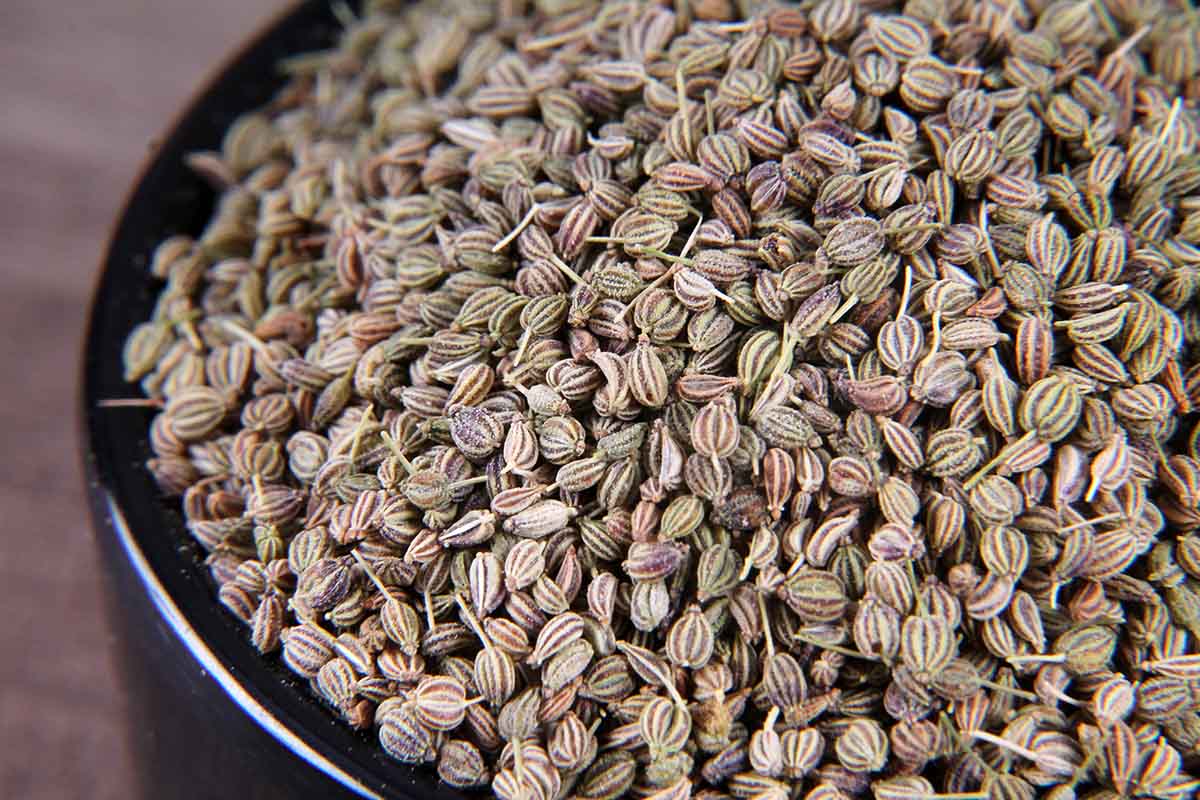
Gas, bloating and a feeling of heaviness after meals are common digestive complaints. When this happens, many people turn to ajwain (carom seeds) as a traditional home remedy.
Ajwain may help some people with mild digestive discomfort, but it should not be considered a guaranteed treatment for persistent gas or an underlying digestive disorder.
1. Why Is Ajwain Traditionally Used for Digestion?
Ajwain contains aromatic compounds, particularly thymol, which are thought to contribute to its digestive and antispasmodic properties.
Traditionally, ajwain has been used after meals for complaints such as gas, bloating and indigestion. However, strong clinical evidence in humans is still limited compared with established medical treatments.
2. Can It Actually Help With Gas?
For some people, consuming a small amount of ajwain may provide relief from mild bloating or indigestion. It may help relax intestinal muscles and support the movement of gas through the digestive tract.
However, if gas occurs frequently, simply eating ajwain every day may mask the problem rather than address its cause.
3. How Can You Take Ajwain?
A common traditional approach is to chew a small amount of lightly roasted ajwain after a meal and drink some water.
Some people also prepare ajwain water by soaking or boiling the seeds. There is no strong evidence that one preparation is definitively better than another.
Avoid consuming large quantities simply because it is a natural ingredient.
4. Gas Can Have Many Different Causes
Frequent gas may be related to:
- Eating too quickly and swallowing excess air
- Carbonated drinks
- Beans, lentils and certain vegetables
- Lactose intolerance
- Constipation
- Food intolerances
- Irritable bowel syndrome (IBS)
- Other digestive conditions
If the underlying cause continues, ajwain alone may not provide lasting relief.
5. Who Should Be Careful?
Ajwain can cause heartburn, stomach irritation or discomfort in some people, particularly when consumed in excessive amounts.
People who already have significant acidity or reflux may find spicy or strongly aromatic foods aggravating. Pregnant or breastfeeding women and people taking regular medicines should discuss frequent or concentrated herbal remedies with a healthcare professional.
Simple Ways to Reduce Gas
Along with dietary changes, a few everyday habits may help:
- Eat slowly and chew food thoroughly.
- Avoid overeating.
- Reduce carbonated drinks if they trigger bloating.
- Take a gentle walk after meals.
- Drink enough water.
- Keep track of foods that repeatedly cause symptoms.
When Should You See a Doctor?
Don’t rely on home remedies if gas or bloating is persistent, severe or associated with unexplained weight loss, vomiting, blood in the stool, persistent diarrhoea or constipation, fever, severe abdominal pain, or a significant change in bowel habits.
These symptoms may need proper medical evaluation.
Bottom Line
Ajwain may provide temporary relief from mild gas or indigestion for some people, which is why it has remained a popular traditional remedy. But frequent or severe gas should not simply be treated with ajwain repeatedly. Finding and treating the underlying cause is more important for long-term digestive health.

