



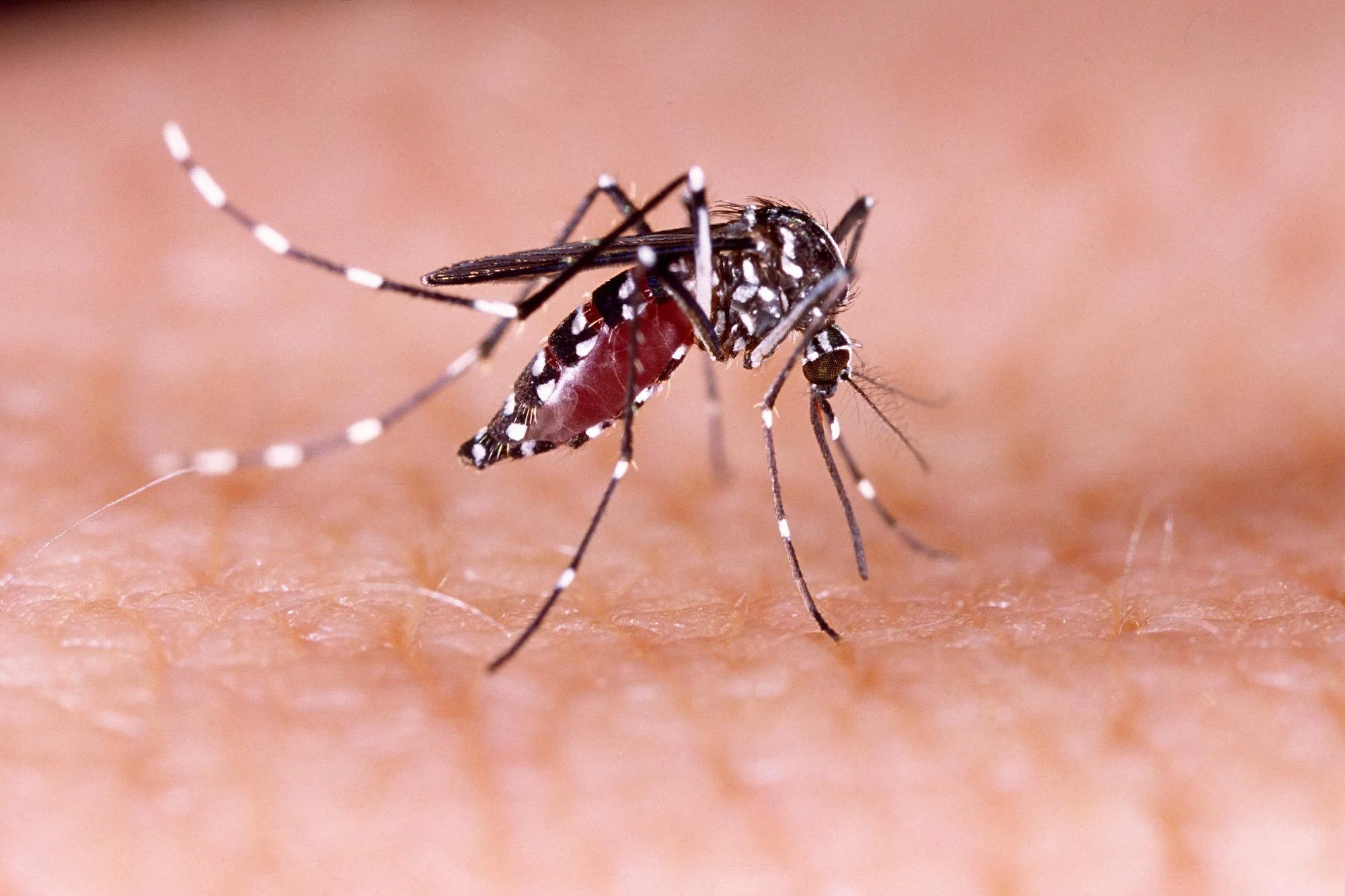
Malaria is often associated with fever and chills, but it can become a serious and potentially life-threatening infection if diagnosis and treatment are delayed. It is caused by Plasmodium parasites and is mainly spread through the bite of infected female Anopheles mosquitoes.
The good news is that malaria is both preventable and treatable. Recognising the symptoms early and taking steps to avoid mosquito bites can significantly reduce the risk of serious illness.
1. Fever and Chills Should Not Be Ignored
Early malaria symptoms commonly include fever, chills, headache, tiredness, muscle aches, nausea or vomiting. These symptoms can look like many other infections, so testing is important when malaria is suspected.
If you develop a fever after being in a malaria-risk area, don’t simply assume it is a routine viral fever.
2. When Can Malaria Become Life-Threatening?
Some malaria infections can progress rapidly, particularly Plasmodium falciparum. WHO notes that untreated P. falciparum malaria can progress to severe illness and death within about 24 hours after severe disease begins.
Severe malaria can affect important organs and may cause complications such as severe anaemia, kidney failure, seizures, confusion, coma, breathing difficulties, jaundice or abnormal bleeding.
These are medical emergencies and require immediate care.
3. Some People Have a Higher Risk of Severe Malaria
Certain groups are particularly vulnerable to complications. These include infants and children under 5, pregnant women, people with HIV/AIDS, and people who have little or no previous immunity to malaria, including some travellers and people entering malaria-endemic areas.
Extra precautions are therefore important for people in these groups.
4. Protect Yourself From Mosquito Bites
Prevention starts with reducing mosquito exposure. Useful measures include:
- Sleep under an insecticide-treated mosquito net where malaria is present.
- Use an appropriate mosquito repellent, following the product instructions.
- Wear long-sleeved clothing and trousers, particularly during periods of mosquito activity.
- Use window screens where possible.
- Follow local malaria-control measures such as indoor residual spraying when recommended.
Anopheles mosquitoes that transmit malaria commonly bite from evening through the night, making nighttime protection especially important.
5. Don’t Self-Treat a Suspected Case
If malaria is suspected, get tested and seek medical advice rather than relying only on home remedies or taking leftover medicines. A blood test can help confirm malaria, and the appropriate treatment depends on factors such as the parasite species and how severe the illness is.
For people travelling to malaria-endemic areas, doctors may also recommend preventive medicines depending on the destination and individual circumstances.
When Should You Seek Emergency Care?
Seek urgent medical attention if someone with suspected or confirmed malaria develops:
- Difficulty breathing
- Severe weakness or extreme tiredness
- Confusion or loss of consciousness
- Seizures
- Yellow eyes or skin
- Dark or bloody urine
- Abnormal bleeding
- Severe or rapidly worsening symptoms
These can indicate severe malaria and should not be managed at home.
Bottom Line
Malaria does not always start with dramatic symptoms. It may initially look like an ordinary fever, but some forms can worsen quickly if treatment is delayed. Early testing, prompt treatment and consistent protection from mosquito bites are key to preventing severe disease.

