



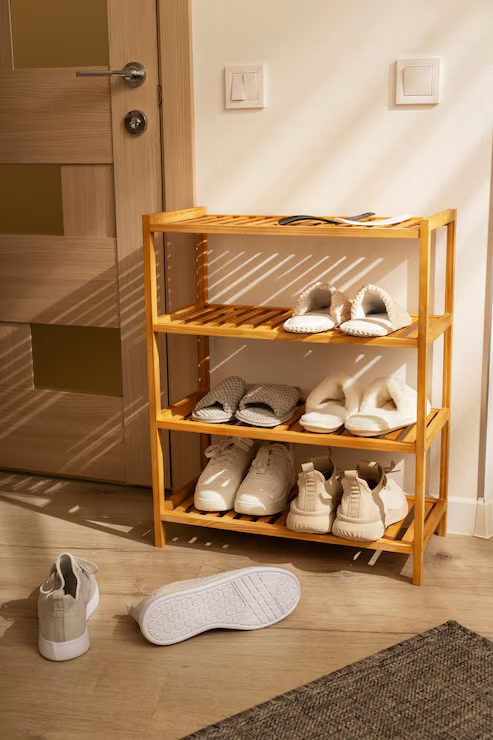
The soles of your shoes come into contact with many surfaces outside—roads, public toilets, soil, animal waste, dust, and other contaminated areas. When you walk around your home wearing the same shoes, some of this dirt and contamination can be transferred to your floors.
1. Bacteria can enter your home
Shoe soles may pick up bacteria such as E. coli and other microorganisms from contaminated surfaces. These can then spread to household floors and surfaces.
2. Chemicals can stick to shoe soles
Outdoor surfaces can contain pesticide residues, fuel or oil residues, and other chemicals. Small amounts can potentially be carried indoors on footwear.
3. Children are more exposed
Young children often play on the floor and may touch the floor and then put their hands near their mouths. This can increase their exposure to contaminants brought inside on shoes.
4. Pets can also come into contact with them
Pets spend considerable time close to the floor, so contaminated areas may also come into contact with their paws and fur.
5. Make a simple change
Create a shoe-free area near the entrance. Remove outdoor footwear before entering the main living areas and use clean indoor slippers instead.
6. Clean floors regularly
Regular sweeping and mopping can help remove dirt and contaminants that do make it indoors.
7. Clean your footwear
If shoes become visibly dirty, clean the soles appropriately and allow them to dry before storing them indoors.
The simple habit: Take off outdoor shoes at the door. It is an easy way to reduce the amount of outdoor dirt, microorganisms and chemical residues brought into your home.

