



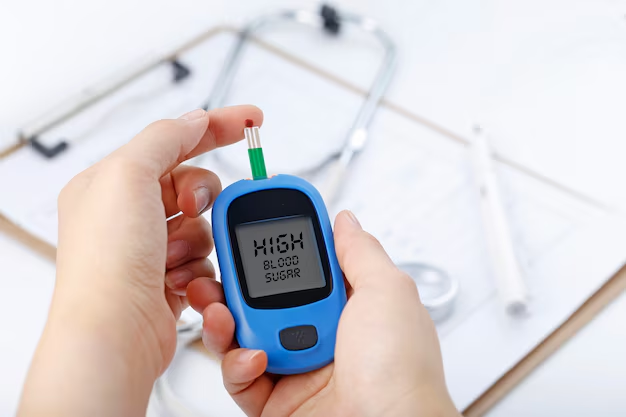
When blood glucose falls below 70 mg/dL, it is generally considered low blood sugar, or hypoglycemia. It can cause sweating, shaking, hunger, dizziness, weakness, confusion, and a fast heartbeat. If not treated promptly, severe hypoglycemia can lead to seizures or loss of consciousness.
What is the 15-15 Rule?
The 15-15 rule is a commonly recommended way to treat mild-to-moderate hypoglycemia in a person who is awake and able to swallow.
Step 1: Take 15 grams of fast-acting carbohydrate
Examples include:
- 3–4 glucose tablets (depending on their carbohydrate content)
- ½ cup (about 120 mL) of regular fruit juice
- ½ cup of regular, non-diet soft drink
- 1 tablespoon of sugar or honey
Avoid relying on chocolate or high-fat sweets because fat can slow the absorption of sugar.
Step 2: Wait 15 minutes
Give the carbohydrate time to raise the blood glucose level.
Step 3: Check blood sugar again
After about 15 minutes, recheck your glucose.
- If it is still below 70 mg/dL, take another 15 grams of fast-acting carbohydrate.
- Repeat the process until the blood sugar returns to a safe range.
Step 4: Prevent another drop
Once the glucose has recovered, if your next meal is not soon, you may need a snack containing carbohydrate and protein, depending on your diabetes treatment plan.
What if the person is unconscious?
Do not give food, water, sugar, or anything by mouth to an unconscious or severely confused person because of the risk of choking.
If prescribed, someone should administer glucagon, and emergency medical help should be sought immediately.
Important
If low blood sugar happens repeatedly, the cause should be discussed with a doctor. Diabetes medicines, missed meals, alcohol, increased physical activity, and other factors can contribute to hypoglycemia. Never routinely change insulin or other diabetes medicines without medical advice.

