



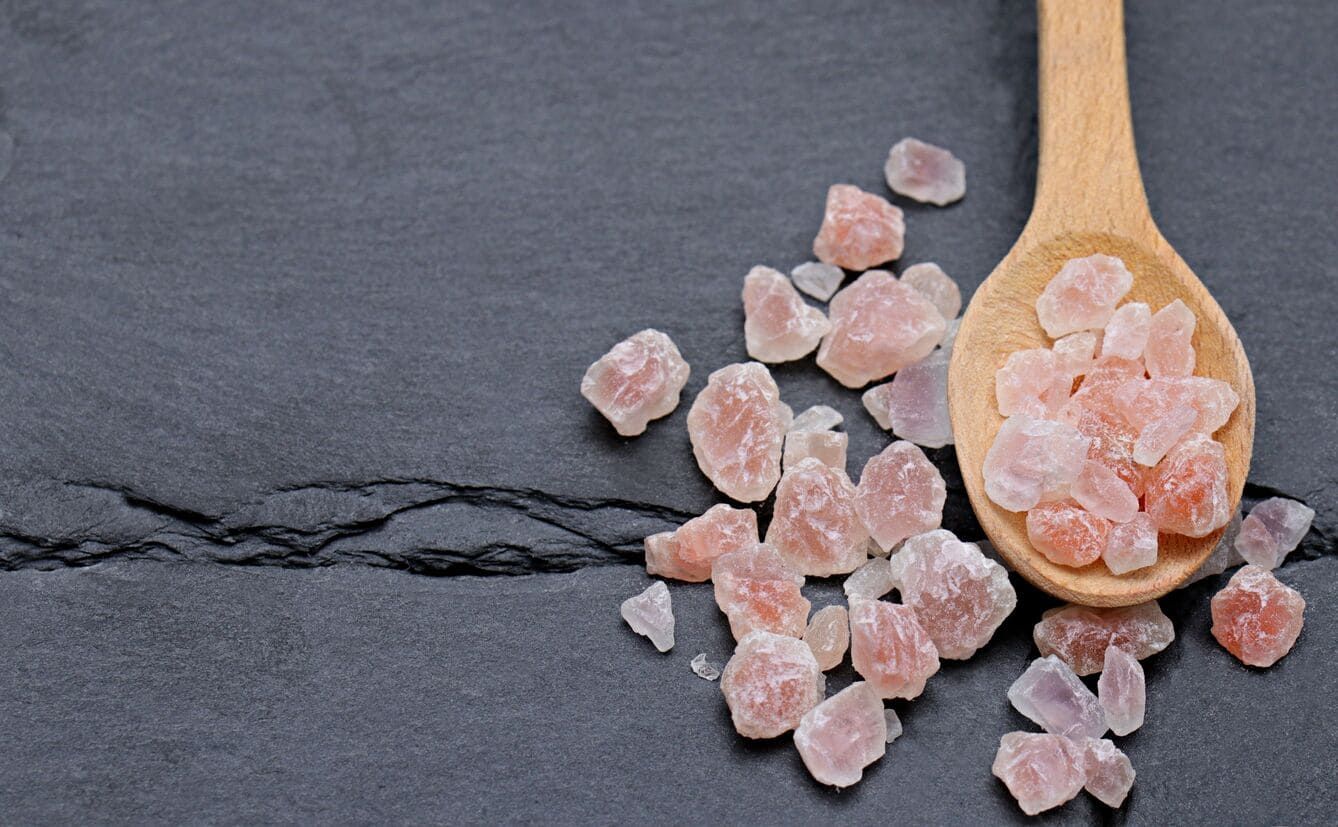
Rock salt, also known as sendha namak, is commonly used in Indian households, especially during fasting and in traditional recipes. Many people consider it healthier than regular table salt because it is less processed and contains small amounts of certain minerals. However, consuming too much rock salt can still increase sodium intake and may negatively affect overall health.
One common concern is whether rock salt can weaken bones from within. A high-sodium diet may increase the amount of calcium lost through urine, which could potentially affect bone health over time. However, rock salt does not directly hollow out bones, and there is no strong evidence that moderate consumption specifically causes osteoporosis. The overall diet, calcium and vitamin D intake, physical activity, and other health factors also play important roles.
1. Excess Rock Salt May Increase Calcium Loss
Rock salt contains sodium chloride, just like regular table salt. When sodium intake is high, the kidneys may excrete more sodium and calcium through urine.
If this happens regularly alongside inadequate calcium intake, it may be a concern for long-term bone health. However, the relationship between salt intake and osteoporosis is complex, and increased calcium excretion does not automatically mean that a person will develop weak bones.
What to do: Use rock salt in moderation and avoid adding extra salt to meals, snacks, salads, and drinks.
2. Rock Salt Is Not Necessarily Healthier Than Regular Salt
Many people believe rock salt is automatically healthier because it is natural or less processed. Although it may contain trace amounts of minerals, these quantities are generally too small to provide significant nutritional benefits.
Both rock salt and regular table salt can contribute substantial amounts of sodium when consumed excessively. Rock salt should therefore not be treated as a completely harmless alternative.
What to remember: Choose salt based on your dietary needs, and focus on limiting total sodium intake rather than assuming one type is always healthier.
3. Low Calcium Intake Can Put Bone Health at Risk
Calcium is essential for building and maintaining strong bones and teeth. If your diet consistently lacks enough calcium, your body may draw calcium from the bones to maintain normal levels in the blood.
Over time, inadequate calcium intake can contribute to reduced bone strength, particularly when combined with other risk factors such as ageing, hormonal changes, or vitamin D deficiency.
Calcium-rich foods include:
- Milk, curd, and cheese.
- Ragi and calcium-fortified foods.
- Tofu made with calcium salts.
- Some green leafy vegetables.
- Calcium-fortified plant-based milk.
A balanced diet is more important for bone health than relying on a particular type of salt.
4. Vitamin D Is Essential for Strong Bones
Vitamin D helps the body absorb calcium from food. Even if you consume calcium-rich foods, vitamin D deficiency can make it harder for your body to maintain healthy bones.
Low vitamin D levels may contribute to bone pain, muscle weakness, and poor bone mineralisation in more severe cases. However, these symptoms can have other causes, so testing may be necessary when a deficiency is suspected.
How to support vitamin D levels:
- Spend appropriate time outdoors, considering your skin type, local conditions, and sun-safety needs.
- Include foods containing vitamin D, such as fortified foods and eggs or oily fish if you eat them.
- Consult a healthcare professional if you have risk factors for deficiency or symptoms that need evaluation.
Do not take high-dose vitamin D supplements without appropriate medical advice.
5. Too Much Salt Can Affect More Than Bone Health
Excess sodium is associated with high blood pressure and can increase the risk of cardiovascular problems. It may also contribute to fluid retention in some people, especially those with certain kidney or heart conditions.
The World Health Organization recommends that adults consume less than 2,000 mg of sodium per day, equivalent to less than 5 grams of salt per day from all sources. This is approximately one level teaspoon of salt in total, not one teaspoon of additional salt on top of packaged foods and meals.
People with specific medical conditions may need individual advice about their sodium intake.
Practical tip: Reduce the amount of salt you add during cooking and limit high-sodium packaged foods, pickles, papad, salty snacks, and instant meals.
6. Weight-Bearing Exercise Helps Maintain Bone Strength
Bone health depends not only on nutrition but also on physical activity. Weight-bearing exercises encourage bones to adapt to physical demands and help maintain strength. Muscle-strengthening activities also improve balance and support the body.
Examples of helpful activities:
- Brisk walking.
- Stair climbing, if safe for you.
- Dancing.
- Resistance exercises using weights or resistance bands.
- Balance exercises to help reduce the risk of falls.
Aim for activities suited to your age, fitness level, and medical condition. If you have osteoporosis or a history of fractures, consult a healthcare professional before starting high-impact exercises or heavy lifting.
7. Recognise the Warning Signs of Weak Bones
Low bone density often develops without obvious symptoms. Many people do not realise their bones have become weaker until they experience a fracture.
Possible warning signs or reasons to seek assessment include:
- A fracture after a minor fall or relatively small injury.
- Persistent back pain, particularly if a spinal fracture is suspected.
- Noticeable loss of height over time.
- A gradually developing stooped posture.
These signs do not prove that you have osteoporosis, but they should not be ignored. A healthcare professional may assess your risk factors and recommend a bone-density test, such as a DEXA scan, when appropriate.
8. Choose a Bone-Friendly Lifestyle Every Day
Protecting your bones requires a combination of healthy habits rather than eliminating one particular food. A balanced diet, regular exercise, and appropriate medical care can help reduce the risk of poor bone health.
Daily habits to follow:
- Keep total salt intake within recommended limits.
- Eat a balanced diet containing adequate calcium and protein.
- Maintain appropriate vitamin D levels.
- Exercise regularly and include muscle-strengthening activities.
- Avoid smoking and limit alcohol consumption.
- Discuss bone-health screening with your healthcare professional if you have risk factors, such as a previous fragility fracture, long-term steroid use, or early menopause.
People with kidney disease, high blood pressure, or other chronic conditions should seek personalised advice about salt and nutrition.
Conclusion
Rock salt is not inherently harmful to bones when consumed in moderate amounts, but excessive sodium intake may contribute to increased calcium loss and can be a concern as part of an overall unhealthy diet. It is misleading to claim that rock salt directly hollows out bones or inevitably causes osteoporosis.
To protect your bone health, limit total salt intake, eat calcium-rich foods, maintain adequate vitamin D levels, and stay physically active. Small, consistent lifestyle changes can make a meaningful difference over time.

