



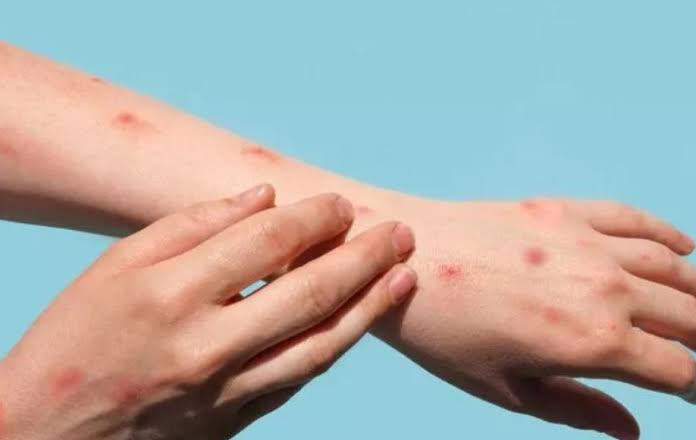
Monkeypox, now commonly called mpox, is a viral infection that can cause skin rashes, painful blisters, fever, swollen lymph nodes, and, in some cases, serious complications affecting internal organs. The virus has two major groups, known as Clade I and Clade II, which include several subgroups. Both can cause illness, but Clade I has historically been associated with more severe disease in some affected populations. The actual risk depends on the particular outbreak, the person’s health, and access to medical care.
World Health Organization
Although many people recover with supportive care, mpox should not be ignored, particularly when the rash is widespread or symptoms affect the eyes, mouth, breathing, or other organs.
1. Understanding the Two Major Variants of Mpox
The mpox virus is divided into two major clades:
- Clade I: Historically associated with more severe illness and higher death rates in some outbreaks, particularly in parts of Central Africa.
- Clade II: Responsible for the international outbreak that began in 2022. Many people affected in that outbreak experienced milder illness, although severe cases can occur.
Each clade has further subgroups, including Clade Ia and Ib, and Clade IIa and IIb. Both major clades can spread through close contact and cause similar symptoms. It is not accurate to assume that every Clade I infection is severe or every Clade II infection is mild.
World Health Organization
2. Skin Rashes and Blisters May Be the First Warning Signs
One of the most recognisable symptoms of mpox is a rash that may appear on the face, hands, feet, chest, or genital and anal areas. Some people develop only a few lesions, while others may have many across their bodies.
The lesions often develop through several stages:
- Flat spots appear on the skin.
- The spots become raised bumps.
- Blisters or pus-filled lesions develop.
- The lesions form scabs, which eventually fall off as the skin heals.
The rash may be painful or itchy. It can also affect the mouth, throat, or eyes. Not everyone develops a widespread rash, and some people experience skin lesions before fever or other symptoms.
Important: A rash alone cannot confirm mpox. Other infections and skin conditions can look similar, so medical assessment and testing may be necessary.
3. Fever, Body Pain, and Swollen Lymph Nodes
Mpox can begin with symptoms resembling other viral infections. These symptoms may develop before the rash or occur alongside it.
Common signs include:
- Fever and chills.
- Headache and muscle aches.
- Back pain and unusual tiredness.
- Swollen lymph nodes, especially around the neck, armpits, or groin.
- Sore throat or other respiratory symptoms.
Symptoms usually develop within 21 days of exposure, and the illness commonly lasts around 2–4 weeks. However, the timing and severity can vary from person to person.
4. How Can Mpox Affect Internal Organs?
Mpox does not cause serious internal-organ complications in everyone. In severe cases, however, the infection can affect several parts of the body.
Possible complications include:
- Eyes: Infection and inflammation can damage the cornea and, in serious cases, threaten vision.
- Lungs: Pneumonia may develop, potentially causing breathing difficulties.
- Brain: Rare neurological complications, including encephalitis, may occur.
- Heart: Inflammation of the heart muscle, known as myocarditis, has been reported.
- Bloodstream: Secondary bacterial infections can sometimes progress to sepsis.
- Mouth, throat, and digestive tract: Lesions may cause severe pain, difficulty swallowing, or dehydration.
These are possible complications of severe mpox, not symptoms that every infected person will experience.
5. Genital and Anal Symptoms Should Not Be Ignored
Mpox lesions may develop around the genitals or anus, and sometimes inside the mouth or rectum. These symptoms can occur even when there are few or no lesions elsewhere on the body.
Watch for:
- Painful sores or blisters around the genital area.
- Severe rectal pain or swelling.
- Pain during urination or difficulty passing urine.
- Painful swallowing if lesions affect the throat.
- Unexplained lesions following close contact with a person who may have mpox.
Severe pain, inability to urinate, difficulty swallowing fluids, or rapidly worsening symptoms require prompt medical evaluation. Avoid assuming that these symptoms are simply an ordinary skin infection.
6. Who Is at Greater Risk of Severe Mpox?
Although many people recover, some groups have a higher risk of complications.
These include:
- People with severely weakened immune systems, including those with advanced or uncontrolled HIV.
- Pregnant people.
- Young children, particularly infants.
- People with certain pre-existing skin conditions, such as eczema.
- People who develop extensive skin lesions or complications involving multiple organs.
Early medical assessment is especially important for these groups. Treatment and supportive care can help manage pain, prevent dehydration, and address secondary infections or other complications.
7. How Does Mpox Spread?
Mpox can spread through close physical contact with an infected person, including direct contact with lesions, intimate contact, or contact with contaminated materials such as bedding and clothing. Transmission from infected animals to humans can also occur.
To reduce the risk:
- Avoid direct contact with a suspected infected person’s rash or lesions.
- Do not share towels, bedding, or clothing that may be contaminated.
- Wash your hands regularly with soap and water.
- If you develop an unexplained rash, avoid close or intimate contact and seek medical advice.
- Follow healthcare guidance regarding isolation, testing, and vaccination if you have been exposed.
A person may remain contagious until all lesions have healed, the scabs have fallen off, and fresh skin has formed.
8. Is Mpox Life-Threatening? When Should You Seek Help?
Mpox can be serious, but infection does not automatically mean life-threatening disease. Many people recover, while a smaller proportion develop complications that may require hospital care. The risk varies by virus clade, individual health, and circumstances of the outbreak.
Seek prompt medical assessment if you have a new, unexplained rash—particularly after close contact with someone who may have mpox.
Seek urgent care if you experience:
- Eye pain or changes in vision.
- Difficulty breathing.
- Confusion, unusual drowsiness, or severe neurological symptoms.
- Severe pain, inability to drink fluids, or signs of dehydration.
- Rapidly worsening or widespread skin lesions.
Until assessed, avoid close contact with others and cover lesions when practical. A healthcare professional can determine whether testing is needed and recommend appropriate care.
Conclusion
Mpox has two major clades, Clade I and Clade II, and both can cause skin lesions, fever, swollen lymph nodes, and other symptoms. Clade I has historically been linked to more severe outcomes in some outbreaks, but the severity of an individual infection cannot be determined by the clade name alone.
The most important steps are to recognise unusual skin lesions, understand the potential warning signs of organ complications, avoid spreading the infection, and seek timely medical advice. Early assessment is particularly important for people at higher risk of severe illness.

