



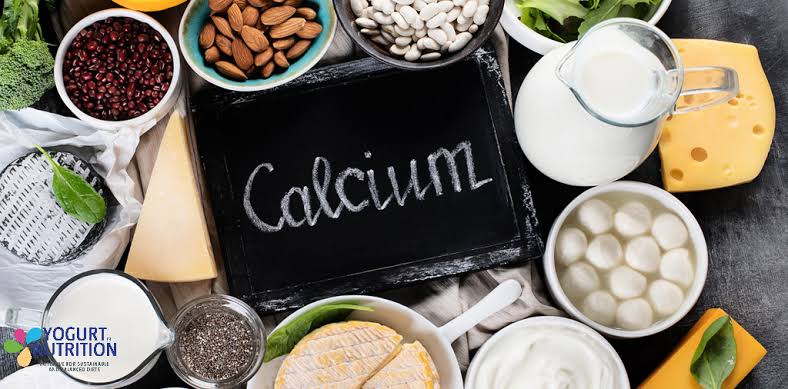
Calcium is essential for strong bones and healthy teeth, but simply consuming calcium-rich foods or supplements may not be enough to maintain good bone health. Vitamin D and regular physical activity also play important roles in helping the body absorb calcium, maintain bone density, and reduce the risk of fractures. Without these essential factors, your efforts to strengthen your bones may not produce the expected results.
1. Vitamin D Helps the Body Absorb Calcium
Vitamin D is essential for calcium absorption in the intestines. Even if you consume enough calcium, a vitamin D deficiency can prevent your body from absorbing it efficiently. Over time, inadequate vitamin D may contribute to weak bones, muscle weakness, and an increased risk of fractures.
What to do: Include vitamin D sources such as fatty fish, egg yolks, and fortified foods in your diet. Appropriate sunlight exposure can also help your body produce vitamin D.
2. Lack of Exercise Can Weaken Bones
Bones remain strong when they are regularly subjected to healthy physical stress. A sedentary lifestyle can contribute to reduced bone density and weaker muscles, increasing the risk of falls and fractures.
What to do: Make weight-bearing activities such as walking, dancing, stair climbing, or jogging part of your routine, according to your fitness level. Strength-training exercises can also support bone health.
3. Calcium Alone Cannot Maintain Bone Density
Calcium is a major mineral in bones, but bone health depends on several nutrients and biological processes. Vitamin D, adequate protein, magnesium, and other nutrients contribute to normal bone development and maintenance.
What to do: Follow a balanced diet that includes dairy products or calcium-fortified alternatives, green leafy vegetables, pulses, nuts, seeds, and protein-rich foods.
4. Staying Indoors May Increase the Risk of Vitamin D Deficiency
People who spend most of their time indoors, cover most of their skin, or have limited sunlight exposure may be at greater risk of vitamin D deficiency. However, sunlight needs vary depending on skin tone, location, season, and other factors.
What to do: Spend time outdoors when practical and follow appropriate sun-protection measures. If you suspect a deficiency, consult a healthcare professional about testing and supplementation rather than relying on sunlight alone.
5. Too Much Calcium Supplementation Is Not Always Beneficial
Taking calcium supplements without assessing your dietary intake and individual needs may be unnecessary. Excessive supplemental calcium can cause side effects, including constipation, and may increase the risk of kidney stones in some people.
What to do: Try to meet your calcium needs through food first. If supplements are required, consult a healthcare professional about the appropriate dose, particularly if you have kidney problems or take other medications.
6. Poor Lifestyle Habits Can Affect Bone Health
Smoking, excessive alcohol consumption, insufficient physical activity, and inadequate nutrition can negatively affect bone health. Certain medical conditions and medications can also accelerate bone loss.
What to do: Avoid smoking, limit alcohol, eat a balanced diet, maintain a healthy body weight, and stay physically active. If you have risk factors for osteoporosis, discuss bone-health assessment with your doctor.
7. Recognise the Warning Signs of Weak Bones
Low bone density often develops without noticeable symptoms. A fracture following a minor fall, persistent loss of height, or a stooped posture may indicate an underlying bone-health problem. These signs should not be ignored.
What to do: Seek medical advice if you experience an unexplained fracture, persistent bone pain, or other concerning symptoms. Your doctor can determine whether you need vitamin D testing or a bone-density scan.
Conclusion
Strong bones require more than calcium alone. Adequate calcium, sufficient vitamin D, regular weight-bearing exercise, and a balanced diet work together to support bone strength and reduce the risk of fractures. If you are concerned about weak bones or a possible nutrient deficiency, consult a healthcare professional before starting high-dose supplements.

