



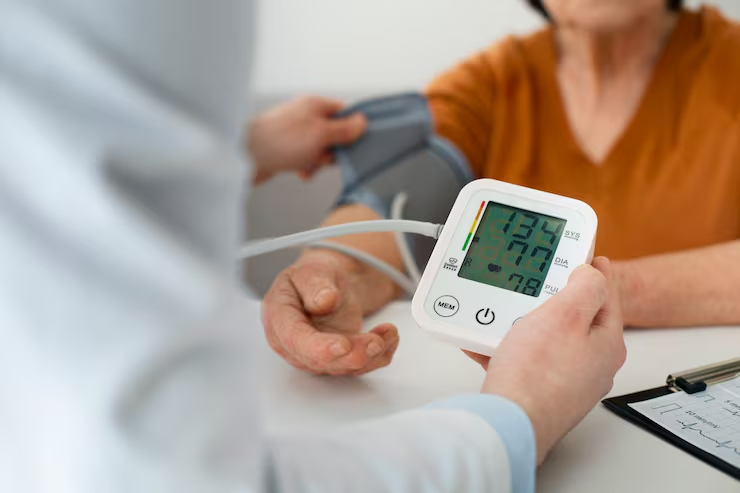
High blood pressure, also known as hypertension, is one of the leading risk factors for stroke. When blood pressure remains elevated for a long time, it can damage blood vessel walls, affect blood flow to the brain, and increase the risk of a blockage or bleeding. The condition often develops without noticeable symptoms, making regular blood pressure monitoring essential.
1. High Blood Pressure Can Damage Brain Blood Vessels
Persistently elevated blood pressure puts extra strain on blood vessel walls. Over time, this can cause damage, contribute to narrowing and stiffening of arteries, and increase the risk of stroke.
What to do: Check your blood pressure regularly and consult a healthcare professional if your readings are consistently high.
2. It Can Increase the Risk of an Ischemic Stroke
An ischemic stroke occurs when a blood clot or blockage interrupts the blood supply to part of the brain. High blood pressure can damage arteries and promote changes that make blockages more likely.
What to do: Follow your prescribed blood pressure treatment and manage other risk factors, including high cholesterol and diabetes.
3. High Blood Pressure Can Cause Bleeding in the Brain
Uncontrolled hypertension can weaken small blood vessels and increase the risk of a haemorrhagic stroke, which occurs when a blood vessel ruptures and bleeds into or around the brain.
What to do: Take prescribed medicines consistently and attend regular medical check-ups to keep your blood pressure under control.
4. You May Have High Blood Pressure Without Symptoms
Many people with hypertension feel completely normal. Headaches or dizziness are not reliable ways to determine whether blood pressure is high, so relying on symptoms alone can delay diagnosis.
What to do: Measure your blood pressure with a reliable monitor or have it checked at a healthcare facility, even if you feel healthy.
5. Too Much Salt Can Make Blood Pressure Harder to Control
A high-sodium diet can contribute to elevated blood pressure, particularly in people who are sensitive to salt. Packaged snacks, instant foods, pickles, and other processed foods can contain substantial amounts of sodium.
What to do: Reduce excess salt, limit highly processed foods, and choose more fruits, vegetables, whole grains, and other nutritious foods.
6. Exercise and Healthy Habits Help Protect Your Brain
Physical inactivity, smoking, excessive alcohol consumption, and excess body weight can increase cardiovascular risk. Regular physical activity and healthy habits can help lower blood pressure and protect blood vessels.
What to do: Aim for regular moderate exercise, such as brisk walking, as appropriate for your health. Avoid smoking, maintain a healthy weight, and follow a balanced diet.
7. Recognise the Warning Signs of a Stroke
Sudden facial drooping, weakness or numbness in an arm or leg, difficulty speaking, vision changes, or loss of balance can indicate a stroke. Every minute matters, and symptoms may sometimes improve temporarily without the danger having passed.
What to do: Call emergency services immediately if stroke symptoms occur. In India, dial 112. Do not wait for symptoms to disappear or attempt to lower blood pressure rapidly on your own.
Conclusion
High blood pressure can gradually damage blood vessels in the brain and increase the risk of both blocked-vessel and bleeding-related strokes. The good news is that monitoring blood pressure, taking prescribed medication, eating a balanced diet, and staying physically active can help reduce this risk.

