



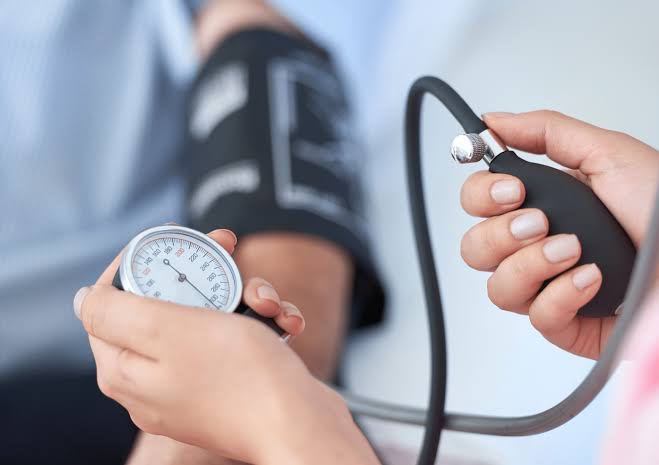
Winter brings cold temperatures, shorter days and changes in daily routines. While the season may feel comfortable for many people, it can create additional health challenges for individuals living with high blood pressure (hypertension) or diabetes.
Cold temperatures can cause blood vessels to narrow, potentially increasing blood pressure. At the same time, reduced physical activity, changes in eating habits and seasonal infections can make blood sugar management more difficult.
People with diabetes may also experience circulation problems and reduced sensation in their feet, making them more vulnerable to cold-related injuries.
Here are 7 common winter mistakes that people with high blood pressure and diabetes should avoid to protect their health.
1. Avoiding Physical Activity Because of Cold Weather
- Many people reduce their physical activity during winter because they prefer staying indoors.
- However, a sedentary lifestyle can contribute to weight gain, poor blood sugar control and increased insulin resistance.
- Lack of exercise may also negatively affect blood pressure and cardiovascular health.
- People with diabetes may experience additional difficulties managing their glucose levels when physical activity decreases.
- Regular movement helps improve circulation, maintain muscle strength and support heart health.
- What to do: Continue exercising indoors or outdoors during warmer hours. Walking, stretching and light exercises can help maintain physical activity.
2. Ignoring Blood Pressure Monitoring
- Cold weather causes blood vessels to constrict, which can increase blood pressure in some individuals.
- People already living with hypertension may experience greater fluctuations during winter.
- Ignoring regular blood pressure checks can make it difficult to identify uncontrolled hypertension.
- High blood pressure increases the risk of heart attacks, strokes and kidney complications.
- Some people may also forget their medication during seasonal routine changes.
- What to do: Monitor blood pressure regularly, keep yourself warm and take prescribed medicines on time. Never change medication doses without consulting your doctor.
3. Eating Excessively Salty and Processed Foods
- Winter often increases cravings for fried snacks, pickles, packaged foods and salty comfort meals.
- Excessive sodium intake can cause the body to retain more water and increase blood pressure.
- Processed foods may also contain unhealthy fats, added sugars and excess calories.
- People with diabetes may experience blood sugar fluctuations after consuming foods rich in refined carbohydrates and added sugar.
- Regularly eating unhealthy foods can increase the risk of cardiovascular complications.
- What to do: Choose fresh, home-cooked meals, seasonal vegetables, whole grains and foods with limited added salt and sugar.
4. Not Checking Blood Sugar Levels Regularly
- During winter, changes in eating habits, physical activity and daily routines can affect blood glucose levels.
- People with diabetes may consume more sweets, sugary drinks and carbohydrate-rich foods during the colder months.
- Reduced physical activity can make blood sugar control more difficult.
- Cold weather may also make it harder to recognise certain symptoms of low blood sugar, especially when people mistake sweating or shivering for cold-related discomfort.
- Uncontrolled blood sugar can increase the risk of nerve, kidney, eye and heart complications.
- What to do: Check your blood glucose as recommended by your doctor and maintain a regular monitoring schedule, even during winter.
5. Ignoring Foot Care and Wearing Inappropriate Footwear
- People with diabetes may have reduced sensation in their feet due to diabetic neuropathy.
- This makes it difficult to notice injuries, blisters, cracks or cold-related skin damage.
- Poor circulation can further increase the risk of delayed wound healing.
- Walking barefoot on cold floors or wearing tight footwear can increase the chances of foot injuries.
- Applying very hot water bottles or heating pads directly to the feet can also cause burns, particularly in people with reduced sensation.
- What to do: Wear comfortable, warm socks and properly fitting footwear. Check your feet daily for cuts, swelling, redness or wounds.
6. Drinking Less Water During Winter
- Many people naturally reduce their water intake because they feel less thirsty in cold weather.
- However, dehydration can affect overall health and may make blood glucose management more difficult.
- People with diabetes who experience frequent urination may be particularly vulnerable to fluid loss.
- Dehydration can also cause dizziness, weakness and other health problems.
- People with hypertension may sometimes consume excessive amounts of salty soups or packaged beverages instead of plain water.
- What to do: Maintain adequate hydration throughout the day. People with heart or kidney conditions should follow their doctor’s fluid recommendations.
7. Stopping Medicines or Ignoring Seasonal Infections
- Some people become careless about taking their prescribed diabetes or blood pressure medicines during winter.
- Others may stop medication when they feel their symptoms have improved.
- Respiratory infections such as influenza and pneumonia can increase stress on the body and disturb blood glucose control.
- Illness may also affect appetite, hydration and blood pressure.
- People with diabetes may experience significant blood sugar fluctuations during infections.
- What to do: Never stop prescribed medicines without medical advice. Follow your doctor’s sick-day instructions and ask about recommended seasonal vaccinations.
Important Winter Health Tips for People With Diabetes and High Blood Pressure
- Keep Yourself Warm: Wear suitable winter clothing and protect your hands and feet from extreme cold.
- Maintain a Healthy Diet: Include seasonal vegetables, fruits, whole grains and balanced meals.
- Exercise Regularly: Aim for at least 150 minutes of moderate physical activity per week, if medically appropriate.
- Monitor Blood Pressure: Check your readings regularly and maintain a record.
- Control Blood Sugar: Follow your medication, meal and glucose-monitoring schedule.
- Avoid Smoking and Excessive Alcohol: Both can negatively affect cardiovascular health.
- Get Enough Sleep: Maintain a regular sleep routine and aim for 7–9 hours of sleep.
Warning Signs That Should Never Be Ignored
People with diabetes or hypertension should seek immediate medical attention if they experience:
- Chest pain or pressure.
- Sudden difficulty breathing.
- Severe headache with sudden vision changes.
- Sudden weakness or numbness on one side of the body.
- Confusion or fainting.
- Extremely high or low blood sugar accompanied by serious symptoms.
- Non-healing wounds, infection or unusual colour changes in the feet.
Medical alert Sudden chest pain, stroke symptoms or severe breathing difficulties require emergency medical care.
Important: Why Is Winter Care Necessary?
Cold temperatures can increase blood pressure by narrowing blood vessels, while changes in diet and physical activity can make diabetes management more challenging. People who have both conditions need extra attention because diabetes and hypertension together increase the risk of heart disease, stroke and kidney complications.
Winter does not have to be dangerous if the right precautions are followed. Regular health check-ups, medication adherence, balanced nutrition and physical activity can help people with diabetes and high blood pressure stay healthier throughout the season.

