



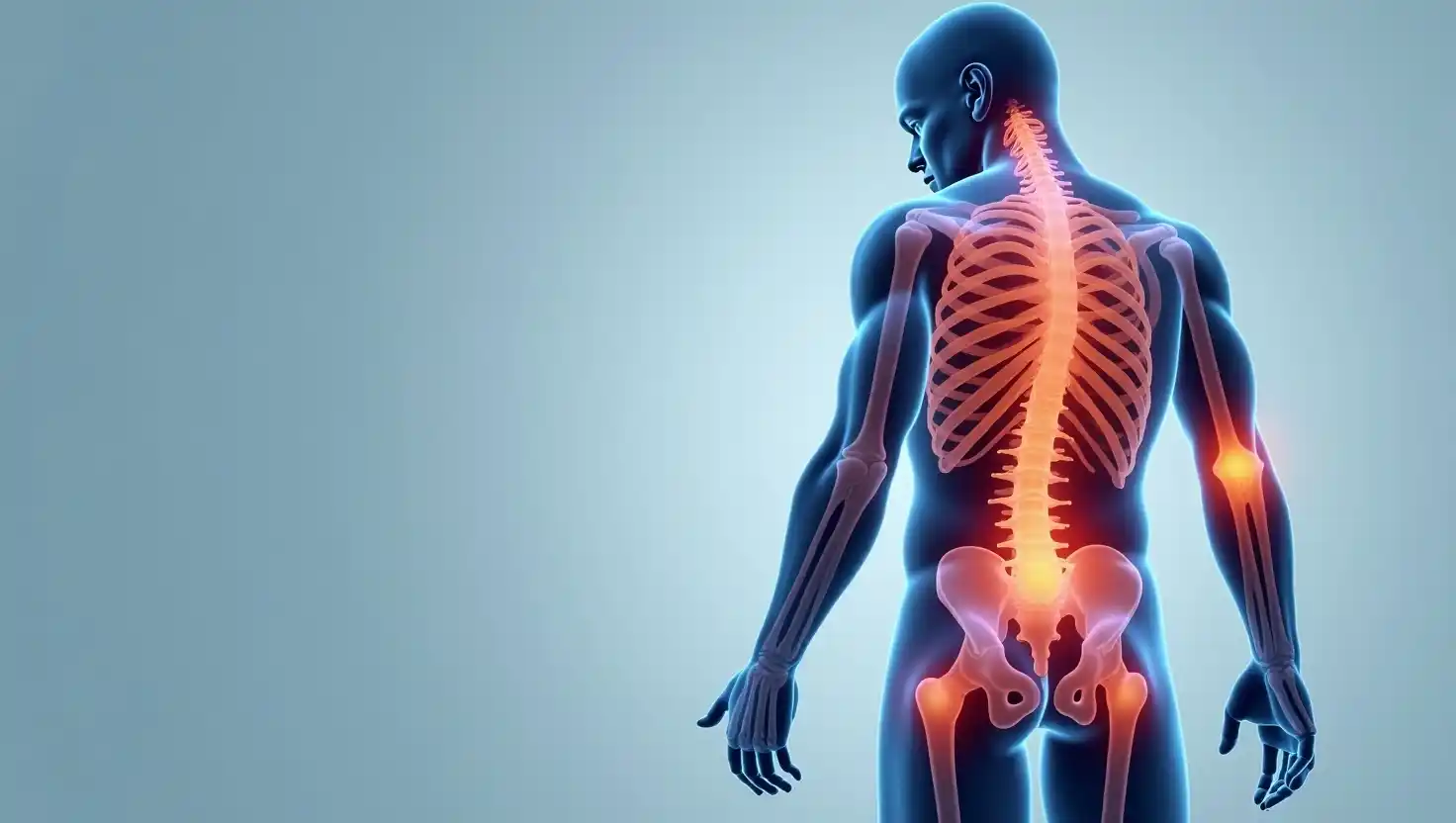
Do you frequently experience bone pain, muscle weakness or unexplained fatigue? One possible reason could be Vitamin D deficiency. Vitamin D plays an important role in maintaining strong bones, supporting muscle function and helping the body absorb calcium.
Sunlight is one of the natural sources of Vitamin D, but spending most of the day indoors, limited sun exposure, dietary habits and certain medical conditions can increase the risk of deficiency.
Vitamin D deficiency is a common health concern, but it should not be assumed that 70% of people are deficient without reliable population-specific evidence. Here are 5 simple ways to support healthy Vitamin D levels.
1. Get Adequate Sunlight
- Sunlight helps the skin naturally produce Vitamin D.
- Spending some time outdoors during daylight can support Vitamin D production.
- The amount of sunlight needed varies depending on skin tone, age, geographical location, season and time of day.
- People who spend most of their time indoors may have a higher risk of deficiency.
- However, excessive sun exposure can damage the skin and increase the risk of skin cancer.
- What to do: Spend some time outdoors regularly while following appropriate sun protection practices. Avoid sunburn and prolonged unprotected exposure.
2. Include Vitamin D-Rich Foods in Your Diet
- Food can help provide Vitamin D, although only a limited number of foods naturally contain significant amounts.
- Fatty fish such as salmon, sardines and tuna are useful dietary sources.
- Egg yolks contain small amounts of Vitamin D.
- Fortified milk, breakfast cereals and certain dairy or plant-based products may provide additional Vitamin D.
- Including a variety of nutritious foods can help support overall bone health.
- What to do: Add Vitamin D-containing foods to your regular diet and check food labels for fortified products.
3. Consider Vitamin D Supplements When Needed
- People with confirmed Vitamin D deficiency may require supplements to restore healthy levels.
- Supplements are particularly important for individuals who have limited sun exposure or certain absorption-related medical conditions.
- Vitamin D supplements are available in different strengths and formulations.
- However, taking excessive amounts can cause Vitamin D toxicity.
- Too much Vitamin D can increase calcium levels in the blood and potentially damage the kidneys.
- What to do: Consult a doctor before starting supplements. Follow the recommended dose rather than taking high-dose capsules on your own.
4. Combine Vitamin D with Calcium-Rich Foods
- Vitamin D helps the body absorb calcium, which is essential for maintaining strong bones and teeth.
- Calcium deficiency can also negatively affect bone health.
- Include calcium-rich foods such as milk, curd, paneer, sesame seeds and green leafy vegetables.
- Adequate calcium and Vitamin D intake together support normal bone mineralisation.
- People with low Vitamin D levels may also experience muscle weakness and bone-related problems.
- What to do: Include both Vitamin D and calcium sources in your daily diet to support healthy bones and muscles.
5. Get Your Vitamin D Levels Tested
- Bone pain, muscle weakness and frequent fatigue can sometimes be associated with Vitamin D deficiency.
- However, these symptoms can also occur due to other medical conditions.
- A blood test called the 25-hydroxyvitamin D [25(OH)D] test is used to assess Vitamin D status.
- People with limited sunlight exposure, certain digestive disorders or conditions affecting nutrient absorption may have a higher risk of deficiency.
- Testing can help doctors determine whether supplementation or other treatment is required.
- What to do: Consult a doctor if you experience persistent symptoms. Avoid taking high-dose Vitamin D supplements without medical advice.
Common Symptoms of Vitamin D Deficiency
- Bone Pain: Persistent bone discomfort or tenderness may occur in severe deficiency.
- Muscle Weakness: Low Vitamin D levels can affect normal muscle function.
- Frequent Fatigue: Some people experience tiredness and low energy.
- Back Pain: Vitamin D deficiency may contribute to bone and muscle discomfort, including back pain.
- Bone Softening: Severe deficiency can cause osteomalacia in adults, making bones weaker and more painful.
- Difficulty Walking: Muscle weakness and bone discomfort may affect mobility.
- Increased Fracture Risk: Long-term severe deficiency can contribute to poor bone health and increase susceptibility to fractures.
Who Is More at Risk of Vitamin D Deficiency?
- People who spend most of their time indoors.
- Older adults who have reduced Vitamin D production in the skin.
- People with darker skin pigmentation.
- Individuals who regularly cover most of their skin outdoors.
- People with obesity.
- Individuals with digestive conditions that affect nutrient absorption.
- People with certain kidney or liver disorders.
Important Things to Remember
- Do not depend only on sunlight to maintain healthy Vitamin D levels.
- Avoid excessive sun exposure because ultraviolet radiation can damage the skin.
- Do not take high-dose Vitamin D capsules or injections without medical supervision.
- Excessive Vitamin D supplementation can cause calcium buildup, kidney stones and kidney damage.
- Bone pain does not always indicate Vitamin D deficiency; proper medical evaluation is important.
Important: Vitamin D is essential for calcium absorption, bone strength and normal muscle function. However, the claim that 70% of people have Vitamin D deficiency should not be treated as a universal statistic without a specific study and population. Consult a healthcare professional for diagnosis and appropriate treatment.

