



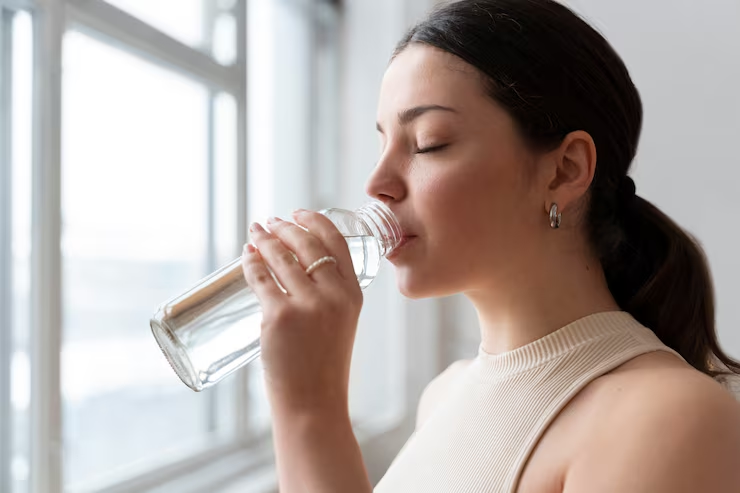
Most people associate dehydration with the hot summer months when excessive sweating and high temperatures increase the body’s need for water. However, dehydration can also occur during winter, even when we do not feel particularly thirsty. As temperatures drop, our natural thirst response may become less noticeable, causing us to drink less water throughout the day. At the same time, dry winter air, indoor heating and frequent urination can contribute to fluid loss.
Many people unknowingly ignore their body’s hydration needs during colder months. This can affect energy levels, digestion, concentration and overall health. Therefore, it is important to recognise the early warning signs of dehydration and maintain adequate fluid intake throughout the season. Here are seven important symptoms and signs to watch out for.
1. Dry Mouth and Chapped Lips
One of the early signs of dehydration is dryness in the mouth and throat. You may notice that your lips become chapped or your mouth feels sticky even when the weather is cold. Dry winter air can also contribute to these problems. Drinking water regularly and maintaining proper hydration can help reduce dryness.
2. Dark Yellow Urine
Changes in urine colour can provide useful information about your hydration levels. Dark yellow or strong-smelling urine may indicate that you are not drinking enough fluids. Normally, well-hydrated individuals tend to have pale yellow urine. However, certain foods, vitamins and medications can also affect urine colour, so colour alone cannot confirm dehydration.
3. Frequent Headaches
Not drinking enough water may contribute to headaches and discomfort. During winter, people sometimes forget to drink water because they do not experience strong thirst signals. This can gradually reduce fluid levels in the body. If you experience frequent headaches, pay attention to your water intake and other possible causes rather than assuming dehydration is the only reason.
4. Feeling Tired and Low on Energy
Unusual tiredness and weakness can sometimes be associated with dehydration. When the body does not receive sufficient fluids, normal bodily functions may become less efficient. You may feel less energetic, experience difficulty concentrating or find everyday activities more tiring. Maintaining regular fluid intake can support normal body functions and help prevent dehydration-related fatigue.
5. Dizziness and Lightheadedness
Dehydration can sometimes affect blood volume and blood pressure, leading to dizziness or lightheadedness. You may particularly notice these symptoms when standing up suddenly. Such symptoms should not be ignored, especially if they continue or become severe. Sit down, drink fluids if you can and seek medical advice when necessary.
6. Dry Skin and Reduced Skin Moisture
Winter naturally makes the skin drier because of cold air, low humidity and indoor heating. Dehydration may contribute to reduced skin moisture as well. You may notice increased dryness or discomfort. However, dry skin alone is not a reliable indicator of dehydration because environmental conditions and skincare habits also play an important role.
7. Constipation and Digestive Discomfort
Insufficient fluid intake can make stools harder and more difficult to pass. This may lead to constipation, bloating and digestive discomfort. Drinking adequate water helps support normal digestion and bowel movements. Including water-rich foods such as oranges, cucumber, soups and vegetables in your daily diet can also contribute to fluid intake.
How to Prevent Dehydration During Winter
- Drink water at regular intervals instead of waiting until you feel thirsty.
- Include warm water, soups and other suitable fluids in your daily routine.
- Eat water-rich fruits and vegetables.
- Keep a water bottle near your study table or workplace.
- Pay attention to changes in urine colour and frequency.
- Maintain adequate fluid intake when exercising or spending time outdoors.
Conclusion
Dehydration is not limited to summer; it can also affect people during the colder months. Reduced thirst, dry indoor air and changes in daily drinking habits may increase the risk of inadequate hydration. Recognising symptoms such as dry mouth, dark urine, headaches, tiredness and dizziness can help you identify when your body may need more fluids. Make drinking water a regular part of your winter routine and do not depend entirely on thirst to determine your hydration needs. If symptoms are severe, persistent or accompanied by confusion or fainting, seek medical attention promptly.

