



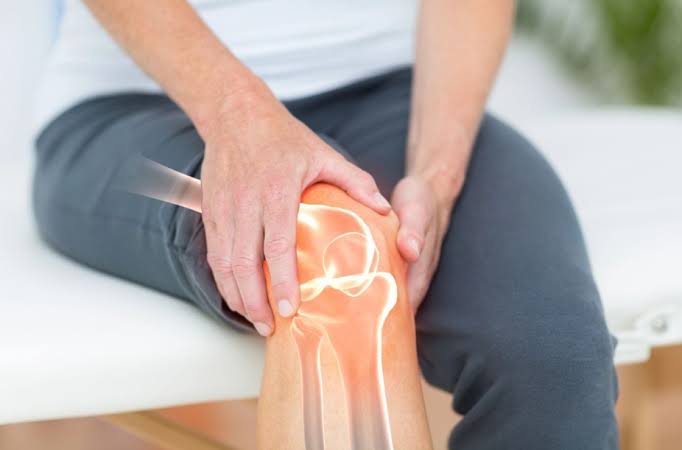
As winter approaches and temperatures begin to drop, many people start experiencing pain, stiffness and discomfort in their knees and joints. The problem can be particularly noticeable among older adults and people suffering from arthritis or other joint-related conditions. While wearing warm clothes, covering the knees and staying indoors may provide some comfort, these measures alone may not be enough to manage joint pain.
Cold weather does not necessarily cause arthritis, but changes in temperature, atmospheric pressure and daily activity levels may make existing joint symptoms more noticeable. Some people experience increased stiffness in the morning, difficulty walking or discomfort while climbing stairs during colder months.
Joint pain should not always be ignored as a normal part of winter. Understanding its possible causes and adopting appropriate habits can help reduce discomfort and maintain mobility.
Here are some effective methods that may help manage knee and joint pain during the winter season.
1. Apply Warm Compresses to Reduce Joint Stiffness
One of the simplest ways to manage joint discomfort during winter is to use warm compresses. Cold temperatures can make muscles and surrounding tissues feel stiff, increasing discomfort around the knees and other joints.
Applying gentle heat can help relax tight muscles, improve local blood circulation and temporarily reduce stiffness. A warm towel, heating pad or hot-water bag wrapped in a cloth can be used for this purpose.
Heat therapy may be particularly helpful for people who experience stiffness after waking up or sitting in one position for a long time.
What to do: Apply a comfortably warm compress to the affected joint for around 15–20 minutes. Avoid excessive heat and never place a hot-water bag directly against the skin. People with reduced skin sensation should consult a healthcare professional before using heat therapy.
2. Keep Your Body Active With Gentle Exercise
Many people reduce their physical activity during winter because of the cold weather. However, spending long periods sitting or lying down can make joints stiffer and reduce muscle strength.
Gentle physical activity helps maintain joint mobility, strengthens the muscles supporting the knees and improves flexibility. Activities such as walking, stationary cycling, gentle yoga and stretching may help reduce stiffness.
Exercises that strengthen the thigh muscles are particularly useful because these muscles help support the knee joint.
However, intense workouts or sudden movements may worsen discomfort, especially in people with existing joint problems.
What to do: Try gentle walking indoors, knee extensions, ankle movements and other low-impact exercises. Start slowly and increase activity according to your comfort level. Stop if an exercise causes sharp or worsening pain.
3. Maintain a Healthy Body Weight
Excess body weight can place additional pressure on weight-bearing joints, particularly the knees and hips. During winter, reduced physical activity and changes in eating habits may contribute to weight gain in some individuals.
Extra pressure on the knees can increase discomfort, especially among people with osteoarthritis. Maintaining a healthy body weight can help reduce mechanical stress on the joints and improve mobility.
Even modest weight loss, when appropriate, may help people with excess weight experience less knee discomfort.
What to do: Follow a balanced diet containing vegetables, fruits, whole grains, healthy fats and adequate protein. Combine healthy eating habits with suitable physical activity instead of following extreme weight-loss diets.
4. Include Calcium and Vitamin D-Rich Foods in Your Diet
Nutrition plays an important role in maintaining healthy bones and muscles. Calcium helps maintain bone strength, while vitamin D supports calcium absorption and normal muscle function.
During winter, people may spend less time outdoors, which can reduce their exposure to sunlight. In some individuals, this may contribute to inadequate vitamin D levels.
Vitamin D deficiency can cause bone pain and muscle weakness, which may sometimes be mistaken for joint-related discomfort. However, not all winter joint pain is caused by vitamin D deficiency.
What to eat: Include milk, curd, paneer, fortified foods, eggs, fatty fish and calcium-rich foods such as sesame seeds and green leafy vegetables in your diet. If you suspect vitamin D deficiency, consult a doctor about testing and supplementation rather than taking high-dose supplements on your own.
5. Avoid Sitting in One Position for Too Long
Long periods of sitting can make the knees and other joints feel stiff, particularly during colder months. This is common among people who work at desks, spend hours watching television or remain inactive throughout the day.
When joints are not moved regularly, surrounding muscles may become tight and joint stiffness may increase. Regular movement helps maintain flexibility and makes everyday activities more comfortable.
What to do: Take short movement breaks every 30–60 minutes. Stand up, walk around, gently stretch your legs and move your ankles. Avoid suddenly putting excessive pressure on stiff joints immediately after sitting for a long time.
6. Stay Hydrated and Follow a Balanced Diet
People often drink less water during winter because they do not feel as thirsty as they do in summer. However, proper hydration remains important throughout the year.
Water supports normal body functions, including circulation and the maintenance of healthy tissues. Although drinking extra water does not directly cure joint pain, dehydration can contribute to general discomfort and affect overall well-being.
A balanced diet also provides essential nutrients that support muscle and bone health.
What to do: Drink water regularly throughout the day. Include seasonal fruits, vegetables, nuts, seeds and whole grains in your meals. Limit excessive consumption of highly processed foods and maintain regular eating habits.
7. Use Proper Footwear and Support Your Knees
Footwear can also influence the amount of pressure placed on the knees and other joints. Wearing uncomfortable shoes, high heels or footwear without adequate support may affect walking posture and increase discomfort.
During winter, people may also become less careful about their walking surfaces, increasing the risk of slips and falls.
What to do: Choose comfortable footwear with good grip, cushioning and appropriate support. Avoid walking on slippery surfaces and use handrails while climbing stairs if you experience knee discomfort. Knee supports may help some people, but they should be used according to professional advice.
When Should You Consult a Doctor for Knee and Joint Pain?
Although mild stiffness may improve with gentle movement and appropriate home care, persistent or severe joint pain requires medical attention.
Consult a healthcare professional if you experience:
- Knee or joint pain that continues for several days or keeps returning.
- Swelling, redness or warmth around a joint.
- Difficulty walking, standing or performing everyday activities.
- Joint stiffness that lasts for a prolonged period, particularly in the morning.
- Pain that gradually becomes worse despite home care.
Important: If a joint suddenly becomes very painful, hot, red or swollen, especially with fever, seek urgent medical attention. These symptoms may indicate an infection or another condition requiring prompt treatment.
Conclusion
Knee and joint pain during winter can make everyday activities uncomfortable, particularly for older adults and people living with arthritis. While wearing warm clothes and keeping the body protected from cold temperatures may provide some comfort, maintaining joint health requires more than just staying warm.
Gentle exercise, warm compresses, healthy body weight, proper nutrition, regular movement and supportive footwear can all help manage joint discomfort. However, persistent or severe pain should not be ignored or treated as merely a seasonal problem.
Taking preventive steps and seeking medical advice when necessary can help protect joint mobility, maintain physical activity and improve overall quality of life during the colder months.

