



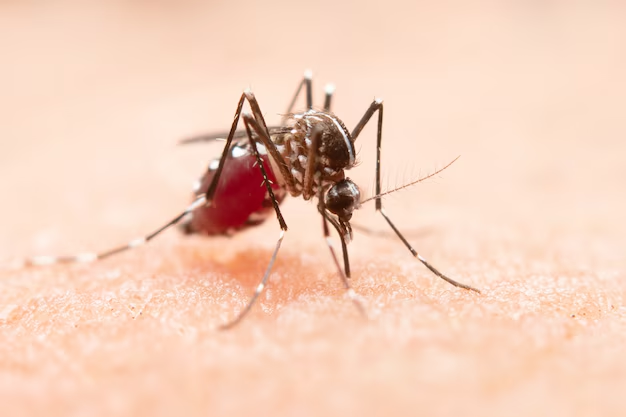
Insecticide-treated mosquito nets (ITNs) have long been one of the most effective tools for preventing mosquito-borne diseases such as malaria. However, scientists have observed that in some regions, mosquitoes are developing resistance to the insecticides used in these nets.
This resistance means that the chemicals may not kill mosquitoes as effectively as they once did. In addition, some mosquito species have adapted their behavior by biting outdoors or at times when people are less likely to be protected by bed nets.
Despite these challenges, insecticide-treated nets are far from useless. They still provide a physical barrier that helps prevent mosquito bites and continue to reduce the risk of disease transmission. Studies show that communities using mosquito nets generally experience lower rates of malaria compared to those that do not.
Health experts recommend combining mosquito nets with other preventive measures, including:
- Eliminating standing water where mosquitoes breed.
- Installing screens on windows and doors.
- Using mosquito repellents.
- Following local mosquito-control programs and public health advice.
Conclusion:
While some mosquitoes have developed resistance to insecticides and changed their behavior, insecticide-treated mosquito nets remain an important and effective tool for disease prevention. For the best protection, they should be used alongside other mosquito-control measures rather than relied on alone.

