



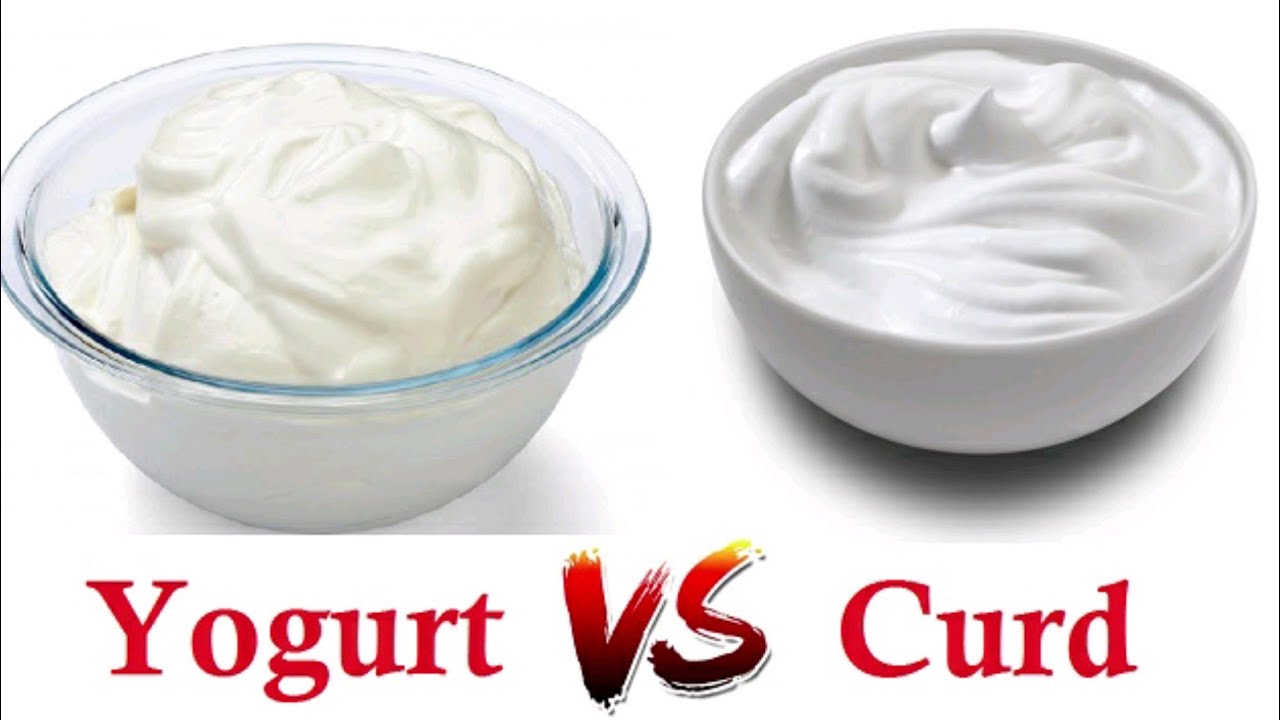
Introduction
Curd and yogurt are creamy, nutritious foods that are often treated as the same thing. Both are made by fermenting milk and can provide protein, calcium, vitamins, and beneficial bacteria.
However, curd and yogurt are not always identical. Their preparation methods, bacterial cultures, texture, consistency, and nutritional profiles can vary. So, which one is better for your health?
The answer is: both can be healthy choices, and the better option depends on the product, how it is prepared, and your individual nutritional needs.
What Is Curd?
Curd, commonly called dahi in India, is traditionally prepared by adding a small amount of an existing curd culture to warm milk and allowing it to ferment.
The natural fermentation process causes milk proteins to thicken and gives curd its characteristic mildly sour taste.
Because homemade curd can vary depending on the milk, starter culture, temperature, and fermentation time, its nutritional and bacterial composition may differ from one batch to another.
What Is Yogurt?
Yogurt is also produced through milk fermentation, but commercially produced yogurt is generally made using specific bacterial cultures under controlled conditions.
Common yogurt cultures include Lactobacillus bulgaricus and Streptococcus thermophilus. Some yogurts also contain additional live cultures.
Greek yogurt is a particularly popular variety because it is strained to remove some of the whey, resulting in a thicker product that is generally higher in protein per serving than regular yogurt.
Curd vs Yogurt: What’s the Difference?
Although both are fermented dairy foods, there are several differences.
| Feature | Curd | Yogurt |
|---|---|---|
| Preparation | Often traditionally fermented at home | Usually produced with selected bacterial cultures |
| Texture | Can range from soft to firm | Usually more consistent |
| Taste | Mild to moderately sour | Can be mild, tangy, or sweetened |
| Bacterial cultures | May vary naturally | Usually uses defined starter cultures |
| Protein | Depends on milk and preparation | Varies; Greek yogurt is often particularly protein-rich |
| Added sugar | Usually none in homemade curd | Flavored varieties may contain added sugar |
| Availability | Commonly homemade or locally prepared | Widely available commercially |
The most important point is that the label and preparation matter more than the name alone.
Health Benefits of Curd and Yogurt
1. Supports Digestive Health
Fermented dairy products can contain live microorganisms that may support a healthy gut microbiome.
However, not every curd or yogurt contains the same organisms or amounts, and the effects can differ between products and individuals.
When choosing yogurt for probiotic benefits, look for products that specifically indicate the presence of live and active cultures.
2. Provides High-Quality Protein
Curd and yogurt provide dairy protein, which helps the body maintain and repair muscles and other tissues.
Protein also contributes to fullness, making unsweetened curd or yogurt a useful component of a balanced breakfast or snack.
Greek yogurt can be particularly useful for people looking for a higher-protein option.
3. Strengthens Bones and Teeth
Dairy foods are well known for providing calcium, an essential mineral for maintaining bones and teeth.
Depending on the product, curd and yogurt can also contribute phosphorus and other nutrients involved in bone health.
4. May Support a Healthy Diet
Plain curd or yogurt can replace less nutritious foods such as sugary desserts or heavily processed snacks.
Adding fruit, nuts, seeds, or whole grains can create a nutrient-dense snack or breakfast.
5. May Be Easier to Digest for Some People
Fermentation breaks down some of the lactose in milk. As a result, some people who have difficulty digesting milk may tolerate yogurt or curd better.
However, tolerance varies. People with significant lactose intolerance may still experience symptoms.
6. Helps Meet Nutritional Needs
Depending on the type, curd and yogurt can provide nutrients such as:
- Protein
- Calcium
- Phosphorus
- Vitamin B12
- Riboflavin (vitamin B2)
- Potassium
Fortified products may contain additional nutrients, including vitamin D.
Is Curd Better Than Yogurt?
Not necessarily.
Homemade plain curd can be an excellent choice, especially when it is prepared from good-quality milk without added sugar.
Yogurt can also be an excellent choice, particularly when you select plain, unsweetened yogurt with live cultures. Greek yogurt may offer an advantage when higher protein intake is the goal.
Therefore, instead of asking only “curd or yogurt?”, consider asking:
What type of curd or yogurt am I eating?
A plain, unsweetened product is generally a better everyday choice than a flavored product loaded with added sugar.
Which Is Better for Weight Management?
Both can fit into a weight-management diet.
The important factors include:
- Portion size
- Total calories
- Protein content
- Added sugar
- Overall diet
- Your individual nutritional needs
Plain Greek yogurt may be particularly filling because of its relatively high protein content.
Curd can also be a nutritious option, especially when made with lower-fat milk if that suits your dietary goals.
No single food causes weight loss on its own. Overall calorie intake, dietary quality, physical activity, sleep, and other factors matter.
Which Is Better for Gut Health?
This depends largely on the specific bacterial cultures present in the product.
Some yogurts contain clearly identified live cultures, while the microorganisms in homemade curd can vary from batch to batch.
If your primary goal is probiotic intake, check the yogurt label for information about live cultures and choose a product that fits your needs.
It is also important to remember that probiotics are not a cure-all. Different strains can have different effects, and more bacteria does not automatically mean greater health benefits.
Is Flavored Yogurt Healthy?
It can be nutritious, but flavored yogurt deserves extra attention.
Some flavored yogurts contain substantial amounts of added sugar. Eating them occasionally can fit into a balanced diet, but plain yogurt or curd is usually the easier choice if you want to control added sugar.
You can naturally improve the taste of plain yogurt by adding:
- Fresh fruit
- Nuts
- Seeds
- Cinnamon
- Unsweetened oats
What About Greek Yogurt?
Greek yogurt is strained, making it thicker and generally more concentrated in protein than conventional yogurt.
It can be a particularly useful option for:
- People who want more protein
- Athletes and physically active people
- People looking for a filling snack
- Those trying to reduce sugary desserts
However, Greek yogurt can sometimes cost more than regular yogurt, and nutritional content varies between brands.
Can Everyone Eat Curd or Yogurt?
Most people can include dairy foods in a balanced diet, but they are not suitable for everyone.
People with milk allergies should avoid dairy products unless advised otherwise by a qualified healthcare professional.
People with lactose intolerance may tolerate fermented dairy better than milk, but individual tolerance varies.
If you experience repeated bloating, abdominal pain, diarrhea, or other symptoms after consuming dairy, speak with a healthcare professional rather than simply assuming the cause.
How to Choose a Healthy Curd or Yogurt
When shopping, look beyond the front of the package.
Check the nutrition label for:
- Added sugar: Choose unsweetened options when possible.
- Protein: Compare products if protein intake is important to you.
- Calcium: Check the nutritional information.
- Live cultures: Look for this information if probiotic cultures are a priority.
- Fat: Choose according to your overall dietary needs rather than assuming low-fat automatically means healthier.
- Ingredients: A simple ingredient list can make it easier to understand what you are eating.
Curd or Yogurt: Which One Should You Choose?
There is no universal winner.
Choose plain homemade curd if you enjoy it, tolerate dairy well, and prefer a traditional, simple fermented food.
Choose plain yogurt if you want a standardized product with specified cultures.
Choose Greek yogurt if you particularly want a higher-protein option.
Ultimately, the healthiest choice is often the one that is plain, minimally processed, appropriate for your dietary needs, and low in added sugar.
Final Verdict
Curd and yogurt can both be valuable additions to a balanced diet. They provide protein and important nutrients such as calcium, while fermented varieties may also provide beneficial live microorganisms.
Rather than focusing too heavily on whether curd or yogurt is “better,” pay attention to what is actually in the product.
A bowl of plain curd or unsweetened yogurt with fruit and nuts can be a nutritious breakfast or snack. On the other hand, a highly sweetened dessert-style yogurt may contain considerably more added sugar.
So, the winner isn’t simply curd or yogurt—the healthier choice is the product that best fits your nutritional needs, contains useful nutrients, and doesn’t come with unnecessary added sugar.

