



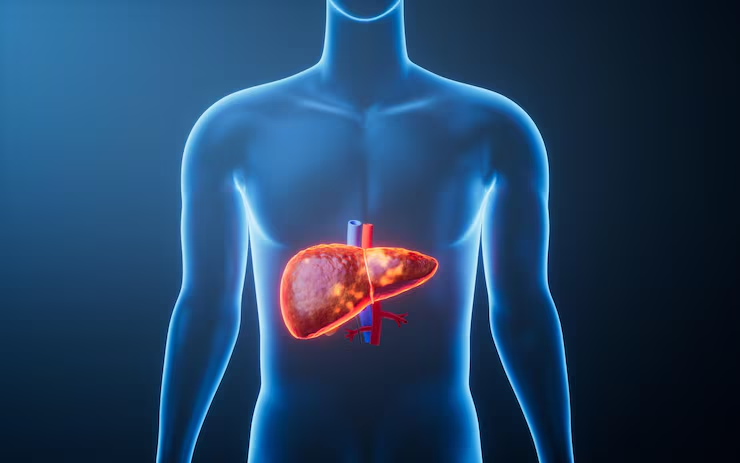
This liver disease can cause system failure, and delayed wound healing may be one of the earliest warning signs. Here’s what it means:
Why delayed wound healing happens
When the liver isn’t working properly:
- It can’t produce enough proteins needed for tissue repair
- Blood clotting factors decrease, so wounds take longer to close
- Nutrient processing slows, especially vitamins A, D, E, K and zinc
- Immune function weakens, increasing infection risk in wounds
Because of this, even small cuts, acne marks, or bruises may take unusually long to heal.
Other early symptoms of liver disease
- Constant fatigue
- Yellowing of skin/eyes (jaundice)
- Easy bruising or bleeding
- Swelling in legs or abdomen
- Dark urine, pale stool
- Loss of appetite
Why it’s dangerous
The liver controls:
- Detoxification
- Blood clotting
- Metabolism
- Hormone balance
- Immune defense
When it fails, multiple organs can be affected, leading to systemic (whole-body) failure.
Common causes
- Fatty liver disease
- Alcohol-related liver damage
- Hepatitis infections
- Long-term medication toxicity
- Obesity and diabetes
When to get checked
If you notice:
- Wounds healing very slowly
- Frequent infections
- Easy bruising
Get LFT (Liver Function Test) done.
Disclaimer: This article is for informational and educational purposes only and should not be considered medical advice. Always consult a qualified healthcare professional before making any health, diet, or treatment decisions. SehatTak is not responsible for any actions taken based on this information.

