



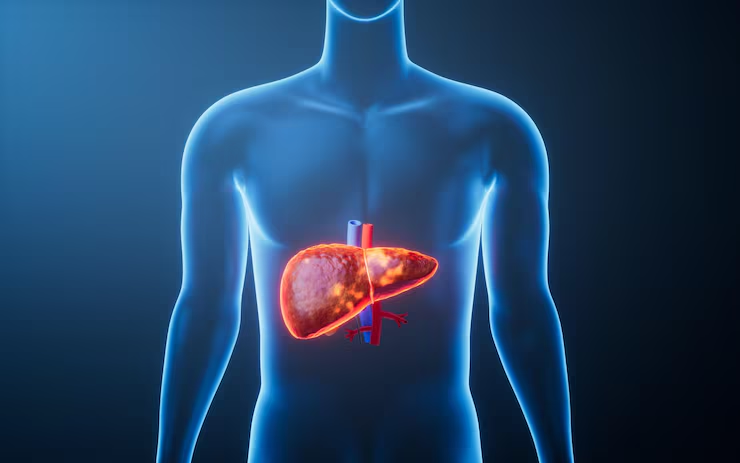
Fatty Liver in Young People: Why Even Fit-Looking People Can Be at Risk
Looking slim or physically fit does not always mean your liver is healthy. Fat can build up inside the liver even when a person does not appear overweight. This is commonly associated with metabolic dysfunction-associated steatotic liver disease (MASLD), previously called non-alcoholic fatty liver disease.
Why can fatty liver affect young people?
- Poor diet: Frequent fast food, fried foods, sugary drinks and excess refined carbohydrates can promote fat accumulation in the liver.
- Lack of physical activity: Sitting for long periods and exercising very little can affect metabolism, even in people who look thin.
- Excess abdominal fat: A person can have a normal overall weight but still carry unhealthy visceral fat around the waist.
- Insulin resistance: When the body does not respond properly to insulin, more fat can accumulate in the liver.
- High cholesterol or triglycerides: Abnormal blood fats can increase metabolic risk.
- Genetics and other metabolic factors can also play a role.
Why is it called a “silent” problem?
Early fatty liver often causes no obvious symptoms. Many people discover it incidentally during blood tests or an ultrasound. If the condition progresses, it can cause liver inflammation and scarring (fibrosis), and in some people eventually lead to cirrhosis.
What can young people do?
A balanced diet, regular physical activity, maintaining a healthy waist circumference, limiting sugary drinks and highly processed foods, and avoiding unnecessary alcohol can help protect liver health. If there are risk factors or abnormal liver tests, a doctor can decide whether tests such as liver enzymes or ultrasound are appropriate.
Important: Being thin or looking fit can reduce some risks, but it doesn’t completely rule out fatty liver.

