



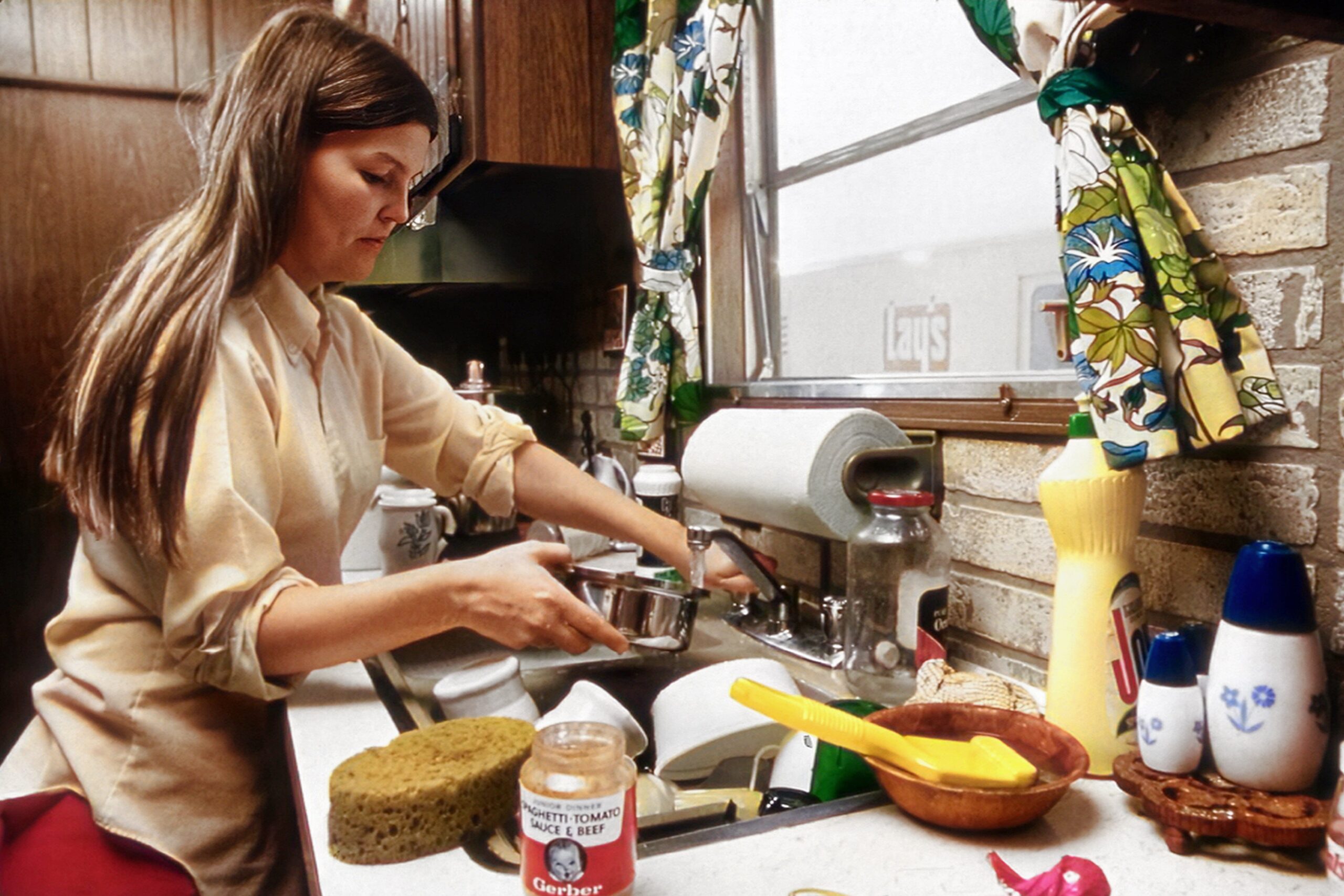
1. Losing Yourself Is a Real Health Risk
When your entire life revolves around responsibilities and expectations, your brain stays in a constant stress-response mode.
- Chronic stress increases cortisol
- It weakens immunity
- It disrupts sleep, digestion, and hormones
- Over time, it can contribute to anxiety, burnout, even conditions like Depression
Many women don’t notice this because they normalize exhaustion as “duty.”
2. Emotional Suppression Shows Up in the Body
Not expressing your needs, anger, or sadness doesn’t make them disappear—it stores them.
Doctors often see links between emotional suppression and:
- Headaches
- Back pain
- Fatigue
- Digestive issues
This mind-body connection is studied in Psychosomatic Medicine, which shows how emotions directly affect physical health.
3. Identity Beyond Roles Is Essential
Being a mother or daughter is part of you—not all of you.
When you forget:
- what you enjoy
- what you believe
- what makes you feel alive
…it creates an internal emptiness. That’s where burnout begins—not from doing too much, but from losing meaning in what you do.
4. The “True Mantra of Health” (What Doctors Really Mean)
It’s surprisingly simple, but not easy:
→ Don’t abandon yourself while taking care of others
This includes:
- Taking time for your own mental rest (not just physical rest)
- Saying “no” without guilt
- Maintaining at least one personal identity (hobby, passion, goal)
- Prioritizing sleep, nutrition, and emotional expression
Health is not just absence of illness—it’s balance.
5. Why Women Are More Affected
Social conditioning often teaches women:
- To prioritize others first
- To feel guilty for self-care
- To equate sacrifice with love
But medically speaking, constant self-sacrifice is not sustainable. It leads to long-term burnout.
6. A Reality Check (Important Thought)
Taking care of yourself is not selfish—it’s preventive care.
If your health breaks down:
- You can’t support your family effectively
- Emotional connections weaken
- Your own quality of life suffers
So the real question becomes:
“Can you truly take care of others if you’ve completely lost yourself?”
Final Thought
The “true mantra” isn’t about escaping responsibilities—it’s about carrying them without erasing yourself.
You’re not just someone’s daughter, wife, or mother.
You’re also an individual with a mind, body, and identity that needs care.

