



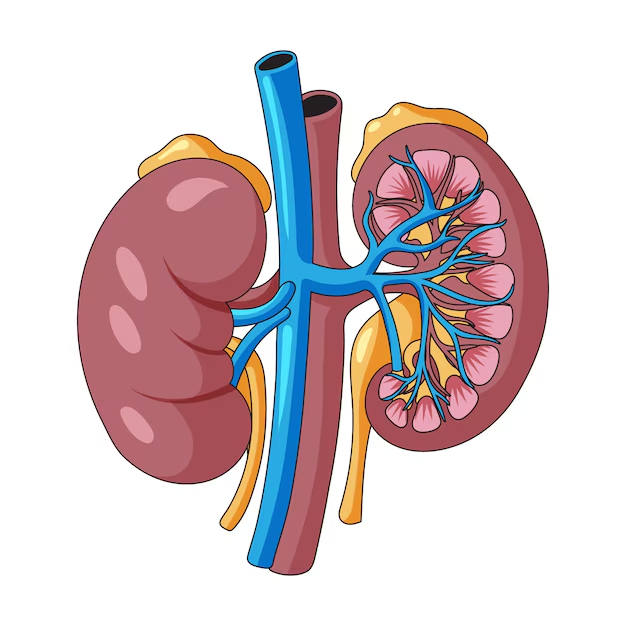
Kidney patients need to carefully manage certain minerals because damaged kidneys cannot properly filter and balance them. Doctors from All India Institute of Medical Sciences (AIIMS Delhi) emphasize controlling these 4 key minerals:
🧂 1. Sodium
- Found in: salt, processed foods, chips, pickles
- Excess sodium causes: fluid retention, high blood pressure, kidney strain
👉 Why it matters:
Weak kidneys cannot remove extra sodium, leading to swelling and pressure on the heart.
🍌 2. Potassium
- Found in: bananas, potatoes, tomatoes, dry fruits
- High potassium can cause: irregular heartbeat (can be dangerous)
👉 Important:
Kidney patients often develop high potassium levels, so intake must be controlled.
🥛 3. Phosphorus
- Found in: dairy products, nuts, beans
- Excess phosphorus leads to: weak bones, itching, calcium imbalance
👉 Why it matters:
It pulls calcium out of bones, making them fragile over time.
🦴 4. Calcium
- Important for: bones and muscles
- Imbalance may cause: bone problems or kidney stones
👉 Key point:
Both too much and too little calcium can be harmful.
⚠️ Doctor’s Advice
- Maintain a proper balance of these minerals
- Avoid self-dieting—consult a doctor or dietitian
- Each patient’s needs are different depending on kidney condition
✅ Simple Takeaway
- Reduce salt intake
- Control high-potassium foods
- Limit processed and high-phosphorus foods
- Follow a personalized diet plan
Disclaimer: This article is for informational and educational purposes only and should not be considered medical advice. Always consult a qualified healthcare professional before making any health, diet, or treatment decisions. SehatTak is not responsible for any actions taken based on this information.

