



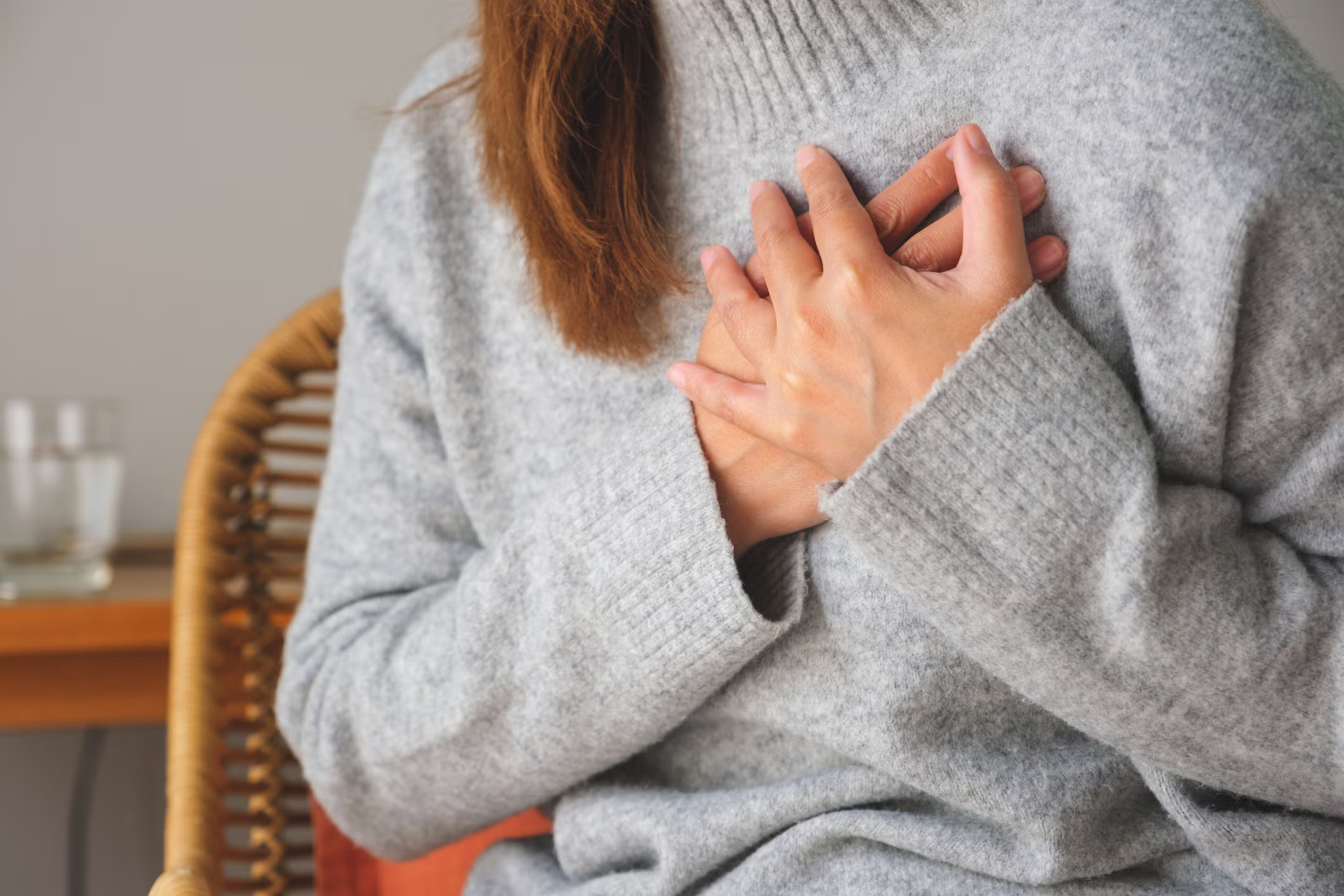
Stalking Not Only Threatens Women’s Mental Health but Also Their Hearts — It Increases Heart Disease Risk
Stalking is not just a psychological burden — it is a serious health threat that affects both mind and body. When a woman is constantly monitored, followed, harassed, or threatened, her stress levels rise dramatically. This chronic stress doesn’t only cause anxiety or fear — it can damage the heart.
How Stalking Affects Mental Health
Women who are stalked often experience:
✅ Constant fear and anxiety
✅ Sleep disturbances
✅ Depression and emotional exhaustion
✅ Loss of confidence and social withdrawal
✅ Panic attacks and PTSD-like symptoms
This emotional strain can become overwhelming, affecting daily life and relationships.
Impact on Heart Health
Chronic fear and stress release excessive cortisol and adrenaline in the body. Over time, these stress hormones cause:
❤️ High blood pressure
❤️ Increased heart rate
❤️ Inflammation in blood vessels
❤️ Higher risk of blood clots
❤️ Increased cholesterol levels
These changes significantly increase the risk of heart disease, heart attack, and stroke.
Studies show that psychological trauma and prolonged stress act like slow poison for the cardiovascular system.
Why This Issue Needs Attention
Women often ignore emotional trauma thinking “it’s just stress.” But stalking is a trauma, not just stress. Ignoring it can put physical and mental health in danger.
Society must treat stalking as a serious crime, not a “harmless obsession” or “romantic chase.” It is a public health and safety issue.
What Women Can Do
If someone is stalking or harassing you:
📍 Document everything — messages, calls, photos, timings
📍 Share with trusted friends/family
📍 Seek professional help (counseling/therapy)
📍 Report to authorities — never hesitate
📍 Prioritize self-care — meditation, physical activity, supportive social circle
Final Thought
Stalking destroys peace of mind — and silently harms the heart. Protecting women from stalking is not just about safety; it is about mental wellbeing, emotional dignity, and physical health.
Every woman deserves to feel safe — emotionally, mentally, and physically.

