



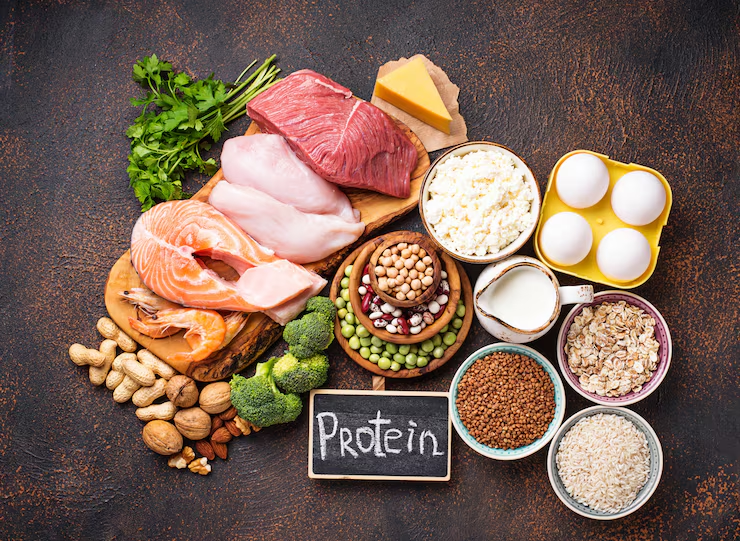
Protein is essential for building muscles, repairing tissues, and keeping your body strong. But eating excessive amounts of protein doesn’t necessarily improve your health—and in some cases, it may even harm your kidneys.
Here’s what you should know:
- Your body has a limit
The body can only use a certain amount of protein for muscle repair and growth. Extra protein is either used for energy or stored as fat. - Kidneys work harder
High protein intake forces the kidneys to filter more waste products (like urea), which can put extra strain on them over time—especially if you already have kidney issues. - Recommended daily intake
For most healthy adults, about 0.8 grams of protein per kilogram of body weight per day is enough. For example, a 60 kg person needs roughly 48 grams of protein daily. - Active people may need more
Athletes or people who exercise regularly may require 1.2–1.7 grams per kilogram of body weight, depending on training intensity. - Balance is key
Instead of focusing only on protein, maintain a balanced diet that includes carbohydrates, healthy fats, vitamins, and fiber. - Signs of excessive protein intake
Dehydration, digestive discomfort, fatigue, and bad breath can sometimes indicate too much protein in the diet.
👉 Bottom line: Protein is important, but more isn’t always better. Choosing the right amount based on your body weight, activity level, and overall health is the safest approach.

