



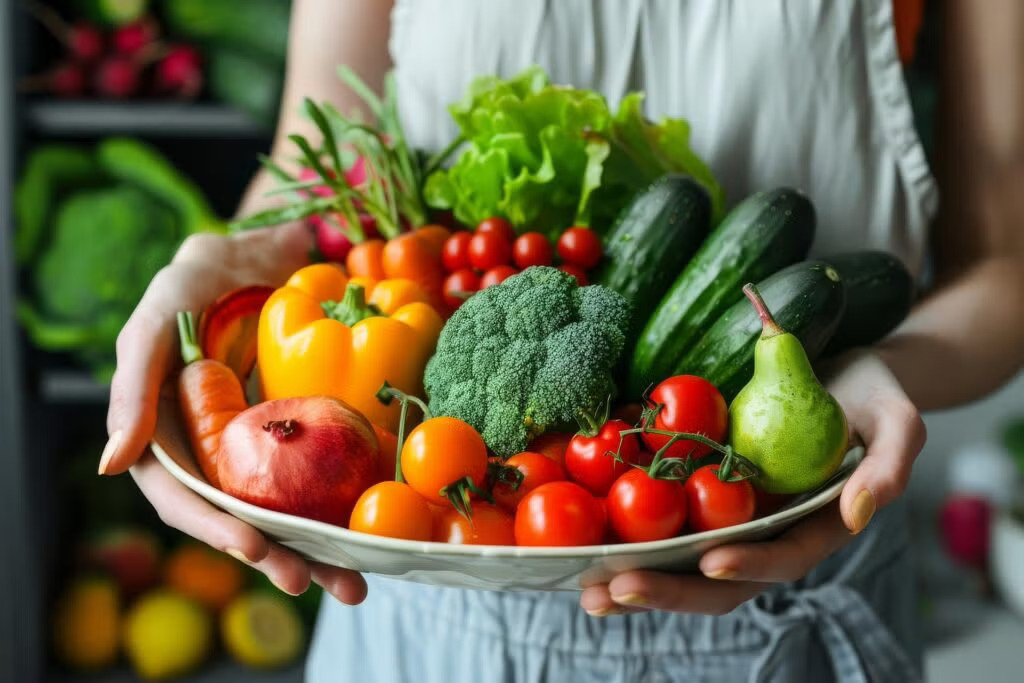
Eating the same vegetables every day may look healthy, but it can quietly create nutritional imbalance in your body. Different vegetables provide different vitamins, minerals, and antioxidants. When you eat only a few types repeatedly, your body may miss out on essential nutrients.
Here is a simple explanation of why variety in vegetables is important.
1) Different vegetables give different nutrients
No single vegetable contains all the nutrients your body needs.
- Spinach is rich in iron and folate.
- Carrots are high in vitamin A.
- Broccoli provides vitamin C and fiber.
- Bell peppers contain antioxidants.
If you eat only one or two vegetables daily, your body may lack other important nutrients.
2) Lack of variety can cause nutrient deficiencies
Eating the same vegetables regularly may lead to:
- Low immunity
- Weak bones
- Tiredness or fatigue
- Poor digestion
- Dull skin and hair problems
Your body needs a wide range of vitamins and minerals to function properly.
3) Different colors = different health benefits
Nutrition experts often say: “Eat the rainbow.”
Each color group offers unique benefits:
Green vegetables
Examples: spinach, broccoli, beans, cabbage
- Rich in iron, calcium, and fiber
- Support bones and digestion
Orange and yellow vegetables
Examples: carrot, pumpkin, corn, yellow capsicum
- High in vitamin A
- Good for eyes and skin
Red vegetables
Examples: tomato, red capsicum, beetroot, red cabbage
- Rich in antioxidants
- Help heart health
White and purple vegetables
Examples: garlic, cauliflower, brinjal, onion
- Support immunity
- Help fight infections
4) Same vegetables can affect gut health
Your gut bacteria need different types of fiber from various vegetables.
If you eat the same vegetables daily:
- Gut diversity decreases
- Digestion becomes weaker
- Immunity may drop
5) Seasonal vegetables are more nutritious
Seasonal vegetables:
- Contain more nutrients
- Taste better
- Are fresher and cheaper
- Support your body according to weather needs
Simple tips to add variety
- Change vegetables every 2–3 days.
- Add at least 3 different colors to your plate.
- Use seasonal vegetables.
- Mix vegetables in sabzi, soups, or salads.
Example of a balanced vegetable week
- Monday: Spinach + carrot
- Tuesday: Cabbage + peas
- Wednesday: Bottle gourd + tomato
- Thursday: Cauliflower + beans
- Friday: Pumpkin + capsicum
- Saturday: Brinjal + onion
- Sunday: Mixed vegetable sabzi
Conclusion:
Eating the same vegetables every week may seem healthy, but it can slowly reduce nutrient variety and weaken your body. A colorful, rotating vegetable diet keeps your immunity strong, digestion healthy, and energy levels high.

