



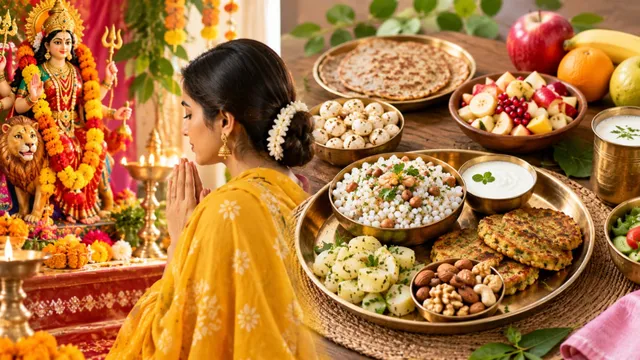
Navratri is an important festival celebrated with devotion, prayers, and fasting by millions of people. During these nine days, many people change their regular eating habits, avoid certain foods, eat only once or twice a day, or follow a fruit-based diet. While some people believe that Navratri fasting helps with weight loss and detoxification, others worry that it can cause weakness, dizziness, dehydration, and nutritional deficiencies.
But what is the actual impact of fasting on your health? The answer depends on how you fast, what you eat during non-fasting hours, how much water you drink, your activity level, and your existing health conditions.
Fasting does not automatically lead to weight loss, and it does not necessarily cause weakness in every person. Understanding the facts behind common fasting myths can help you observe Navratri in a way that supports both your religious practices and your health.
Here are seven common myths about Navratri fasting and the health facts you should know.
Myth 1: Navratri Fasting Always Leads to Weight Loss
Fact: Fasting does not guarantee weight loss. Your weight depends largely on your total calorie intake, energy expenditure, food choices, and individual metabolism. If you eat fewer calories than your body uses, you may lose weight. However, eating large portions of fried vrat foods, sweets, and calorie-dense snacks can prevent weight loss or even lead to weight gain.
For example, sabudana khichdi, potato chips, kuttu puri, and sweets can be high in calories depending on their portion sizes and cooking methods. Choosing balanced meals, controlling portions, and including nutritious foods can help you manage your weight more effectively.
Health
+1
Myth 2: Feeling Weak During Fasting Is Completely Normal
Fact: Some people may experience tiredness or weakness during fasting, especially when they eat too little, go for long periods without food, or do not drink enough fluids. However, persistent weakness should not be ignored or considered a necessary part of religious fasting.
Your body needs adequate energy, protein, vitamins, minerals, and fluids to function properly. Include suitable foods such as milk, curd, paneer, nuts, fruits, and permitted grains or flours in your fasting diet. If you experience severe weakness, dizziness, fainting, or confusion, stop fasting and seek medical advice.
Health News – Business Standard
+1
Myth 3: Eating Only Fruits During Navratri Is Enough to Meet All Nutritional Needs
Fact: Fruits are rich in vitamins, minerals, water, and fibre, but eating only fruits may not provide sufficient protein, fat, and overall energy, particularly if you follow this pattern for several days.
Protein is important for maintaining muscles, repairing tissues, and supporting normal body functions. Depending on your fasting traditions, you can include milk, curd, paneer, nuts, and other permitted protein-containing foods alongside fruits. A varied diet is generally more nutritionally balanced than relying on just one food group.
If you have dietary restrictions or plan to follow a strict fast for all nine days, consider consulting a qualified dietitian to ensure your nutritional needs are met.
PMC
+1
Myth 4: Fasting Automatically Detoxifies the Body
Fact: The idea that fasting automatically removes toxins from the body is misleading. Your liver and kidneys already play essential roles in processing and eliminating waste products.
Eating fruits, vegetables, and other nutritious foods while maintaining adequate hydration can support normal bodily functions. However, there is no good reason to assume that avoiding regular meals for nine days will cleanse your body of unspecified toxins.
Rather than focusing on detox claims, use Navratri as an opportunity to develop mindful eating habits, reduce excessive fried foods, and maintain a balanced diet that respects your fasting practices.
The Times of India
+1
Myth 5: Drinking Less Water Is Necessary for a Successful Fast
Fact: Water restriction is not required for every type of Navratri fast. Many people observe fasts while continuing to drink water, and adequate hydration is important for maintaining normal body functions.
Insufficient fluid intake can contribute to headaches, fatigue, dizziness, constipation, and dehydration. If your fasting tradition permits fluids, drink water regularly throughout the day. Depending on your dietary rules, you may also choose fluids such as milk or unsweetened buttermilk.
If you are observing a strict fast without water, understand that dehydration can become dangerous, particularly in hot weather or during strenuous activity. Seek medical advice if you have health conditions that increase your risk.
PMC
+1
Myth 6: Eating Fried Foods Is Fine Because They Are Allowed During Vrat
Fact: A food being permitted during fasting does not automatically make it healthy to eat in unlimited quantities. Deep-fried snacks, puris, chips, and heavily sweetened foods can contain substantial amounts of calories, fat, or sugar.
Eating these foods frequently may contribute to excess calorie intake, digestive discomfort, and fluctuations in blood glucose. Instead, consider boiled or roasted potatoes, lightly prepared sabudana dishes, fruit, vegetables permitted during fasting, and reasonable portions of nuts or dairy products.
You do not necessarily have to avoid every traditional fasting dish. The goal is to balance portion sizes, cooking methods, and nutritional variety while following your religious customs.
The Times of India
+1
Myth 7: Everyone Can Safely Follow the Same Navratri Fasting Routine
Fact: Fasting affects people differently depending on their age, health, medication use, nutritional status, and daily activity. A routine that is manageable for one person may be unsuitable for another.
People with diabetes, kidney disease, recurrent low blood sugar, or certain other medical conditions should consult their healthcare professional before fasting. Pregnant or breastfeeding women and people recovering from serious illnesses may also need individualized advice. Those taking insulin or blood-sugar-lowering medicines should never change their medication doses or schedules without medical guidance.
If fasting causes repeated dizziness, marked weakness, or other concerning symptoms, do not force yourself to continue. Your health and safety matter alongside your religious observance.
India Today
+1
How to Fast More Safely During Navratri
- Eat balanced meals: Include permitted sources of protein, carbohydrates, healthy fats, vitamins, and minerals.
- Stay hydrated: Drink enough fluids if your fasting rules allow them.
- Avoid excessive fried foods: Prefer boiled, roasted, steamed, or lightly cooked preparations when possible.
- Do not overeat after fasting: Break your fast with a comfortable, balanced meal rather than eating a very large amount at once.
- Get sufficient rest: Aim for adequate sleep and adjust strenuous activity if your energy levels are low.
- Listen to your body: Persistent weakness, fainting, confusion, or severe dizziness should never be ignored.
These habits can help reduce common fasting-related problems while allowing you to follow your religious practices more comfortably.
Health News – Business Standard
+1
Final Takeaway
Navratri fasting can be observed without necessarily causing weight gain or weakness, but the outcome depends on how the fast is practised. Weight loss is possible when overall calorie intake decreases, while inadequate nutrition, dehydration, and excessive consumption of calorie-dense fasting foods can create other problems.
The healthiest approach is to prioritize balanced nutrition, sufficient fluids when permitted, appropriate portion sizes, and individual medical needs. Fasting should not be treated as a guaranteed weight-loss or detoxification method, and you should not ignore warning signs from your body.
Remember: Religious devotion and health-conscious choices can go hand in hand. A thoughtful fasting routine can help you celebrate Navratri while taking care of your overall well-being.

