



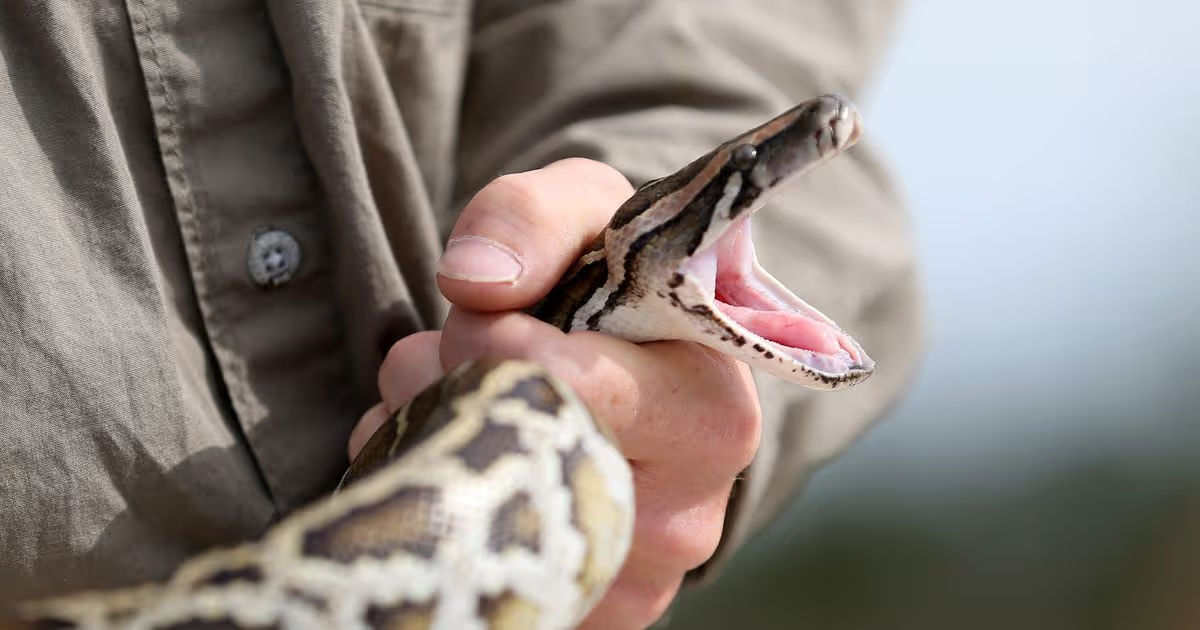
Snake bites are a medical emergency. Acting quickly and correctly can significantly improve the chances of survival and reduce complications. Many traditional remedies can actually make the situation worse. Here are the essential steps experts recommend after a snake bite.
1. Stay Calm and Call for Medical Help
Panic increases heart rate, which can help venom spread more quickly through the body. Try to remain as calm as possible and call emergency services or arrange immediate transportation to the nearest hospital.
2. Keep the Affected Limb Still
Movement can accelerate the spread of venom. Keep the bitten arm or leg as still as possible and position it at or slightly below heart level.
3. Remove Tight Items
Swelling can develop rapidly after a snake bite. Remove rings, bracelets, watches, tight clothing, or shoes near the affected area before swelling begins.
4. Clean the Wound Gently
If possible, gently wash the bite area with soap and water. Cover it with a clean, dry dressing. Avoid excessive rubbing or applying chemicals.
5. Do Not Cut, Suck, or Squeeze the Bite
Cutting the wound or attempting to suck out venom is ineffective and may increase tissue damage and the risk of infection.
6. Avoid Tourniquets and Ice Packs
Do not tie a tight tourniquet above the bite. This can cut off blood flow and cause severe tissue damage. Ice packs are also not recommended because they can worsen injury.
7. Get to a Hospital Immediately
The only effective treatment for venomous snake bites is professional medical care, which may include antivenom, monitoring, and supportive treatment. Do not wait for symptoms to appear before seeking help.
8. Note the Snake’s Appearance (From a Safe Distance)
If it can be done safely, try to remember the snake’s color, size, or markings. Do not attempt to catch or kill the snake, as this can lead to additional bites.
Warning Signs of Serious Envenomation
Seek urgent medical attention if you notice:
- Severe pain or swelling
- Difficulty breathing
- Blurred vision
- Nausea or vomiting
- Dizziness or fainting
- Bleeding from the gums or wound
- Muscle weakness or paralysis
Key Takeaway
After a snake bite, the most important actions are to stay calm, limit movement, remove tight items, and reach a hospital as quickly as possible. Avoid dangerous myths such as sucking out venom, cutting the wound, applying ice, or using a tight tourniquet.

