



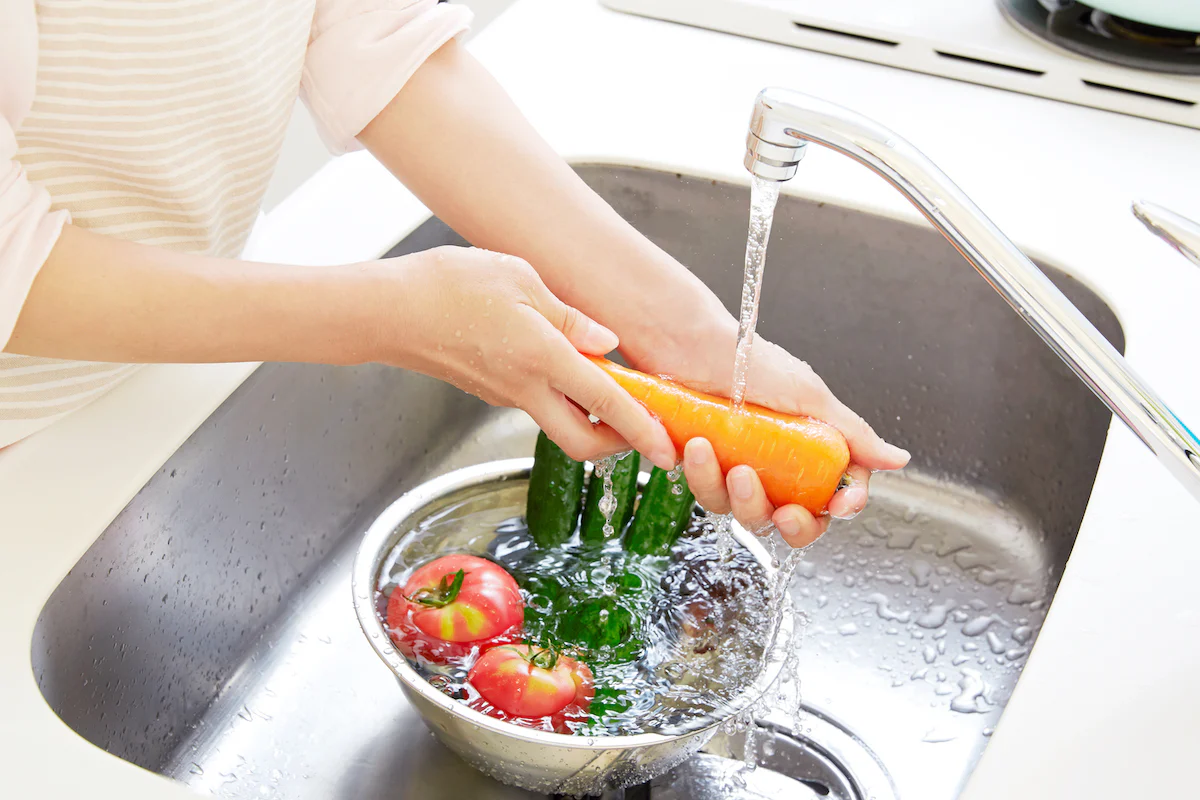
Many people focus on eating healthy foods like fruits, vegetables, whole grains, and lean proteins. However, even the healthiest food can become unsafe if it is handled incorrectly in the kitchen. Here are six common food safety mistakes that can increase the risk of food poisoning and other health problems.
1. Not Washing Fruits and Vegetables Properly
Fresh produce may carry dirt, bacteria, pesticides, and other contaminants. Simply eating unwashed fruits and vegetables can expose you to harmful germs.
What to do:
Wash all fruits and vegetables thoroughly under running water before eating, cutting, or cooking them.
2. Cross-Contamination Between Raw and Cooked Foods
Using the same cutting board, knife, or plate for raw meat and ready-to-eat foods can transfer dangerous bacteria.
What to do:
Keep raw meat, poultry, seafood, and eggs separate from cooked foods and fresh produce. Use separate utensils whenever possible.
3. Leaving Food Out for Too Long
Bacteria multiply rapidly at room temperature. Cooked food left out for more than two hours can become unsafe.
What to do:
Refrigerate leftovers promptly and avoid leaving perishable foods on the kitchen counter for extended periods.
4. Improper Refrigerator Storage
Overcrowding the refrigerator or storing food at the wrong temperature can allow bacteria to grow.
What to do:
Keep your refrigerator at 4°C (40°F) or below and store raw meat on lower shelves to prevent leaks onto other foods.
5. Undercooking Food
Foods that are not cooked thoroughly may still contain harmful bacteria, parasites, or viruses.
What to do:
Cook meat, poultry, seafood, and eggs properly. When possible, use a food thermometer to ensure safe internal temperatures.
6. Ignoring Kitchen Hygiene
Dirty hands, kitchen towels, sponges, and countertops can spread germs to food.
What to do:
Wash your hands with soap before handling food, clean kitchen surfaces regularly, and replace dirty sponges and cloths frequently.
Conclusion
Healthy eating is not just about choosing nutritious foods—it is also about handling them safely. By following proper food safety practices, you can reduce the risk of foodborne illnesses and ensure that your meals remain both healthy and safe.

