



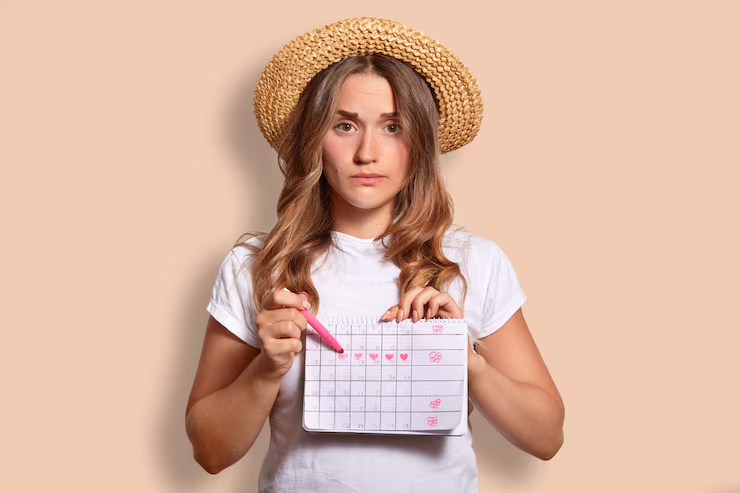
How Well Do You Understand Your Period Cycle?
Here’s How Your Mood, Energy, and Skin Change Over 28 Days
Your menstrual cycle is more than just your period. Hormones rise and fall throughout the month, influencing your mood, energy levels, appetite, skin, and even your ability to focus. While a 28-day cycle is often used as an example, healthy cycles can range from about 21 to 35 days, and not everyone experiences the same changes.
Days 1–5: Menstrual Phase (Your Period)
This phase begins on the first day of bleeding. Hormone levels, especially estrogen and progesterone, are at their lowest.
- Mood: You may feel more emotional, tired, or sensitive.
- Energy: Energy is often lower due to hormone changes and blood loss.
- Skin: Some people notice fewer breakouts as hormone levels are low.
- What helps: Prioritize rest, stay hydrated, eat iron-rich foods, and choose light exercise if you feel up to it.
Days 6–13: Follicular Phase
After your period ends, estrogen gradually rises as your body prepares an egg for ovulation.
- Mood: Many people feel happier, more motivated, and optimistic.
- Energy: Energy and stamina typically increase.
- Skin: Skin often appears brighter and healthier as estrogen supports collagen and hydration.
- What helps: This is a good time for challenging workouts, creative tasks, and social activities.
Day 14: Ovulation
Ovulation usually occurs around the middle of a 28-day cycle, though the exact timing varies.
- Mood: Confidence, sociability, and libido may be at their highest.
- Energy: Many people feel physically strong and mentally sharp.
- Skin: Skin may have a natural glow, but some may experience slight oiliness.
- What helps: Stay hydrated, maintain a balanced diet, and monitor fertility if you’re trying to conceive or avoid pregnancy.
Days 15–28: Luteal Phase
After ovulation, progesterone rises to prepare the uterus for a possible pregnancy. If pregnancy doesn’t occur, hormone levels fall near the end of this phase.
- Mood: Irritability, mood swings, anxiety, or low motivation may occur, especially in the days before the next period.
- Energy: Energy may gradually decline, and fatigue is common.
- Skin: Increased oil production can lead to acne or breakouts.
- What helps: Eat balanced meals, limit excess sugar and caffeine if they worsen symptoms, get enough sleep, and practice stress management.
Quick Summary
| Cycle Phase | Mood | Energy | Skin |
|---|---|---|---|
| Menstrual (Days 1–5) | Sensitive, calm, or emotional | Low | Usually clearer |
| Follicular (Days 6–13) | Positive, motivated | Rising | Fresh and glowing |
| Ovulation (Around Day 14) | Confident, social | Highest | Radiant, sometimes slightly oily |
| Luteal (Days 15–28) | Mood swings or PMS may occur | Gradually decreases | More prone to breakouts |
Remember: Every body is different. Your cycle may be shorter or longer than 28 days, and your symptoms may vary from month to month. Tracking your cycle can help you better understand your body’s natural patterns and recognize any significant changes that might warrant a discussion with a healthcare professional.

