



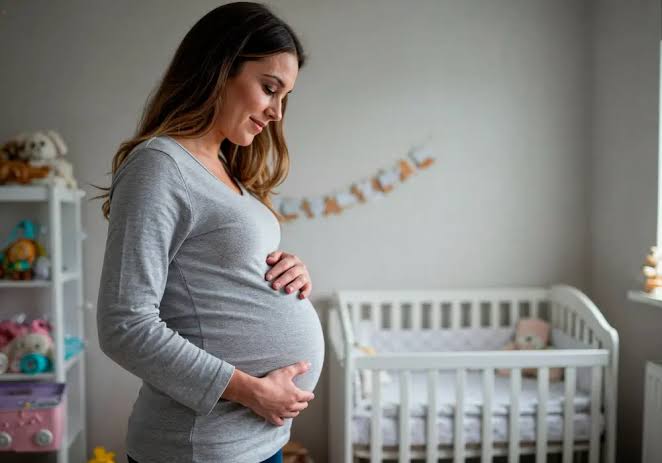
Air pollution is not only harmful to adults and children but can also affect pregnant women and their unborn babies. Exposure to polluted air during pregnancy has become a growing health concern, particularly in areas with high levels of particulate matter, vehicle emissions and industrial pollution.
Research suggests that exposure to air pollution during pregnancy may affect fetal development and increase the risk of respiratory problems in children, including asthma. Some studies have found associations between exposure during the second and third trimesters and a higher risk of childhood asthma.
Pregnancy is an important period of development, and protecting both the mother and the baby from environmental pollutants is essential. Let’s understand how air pollution affects pregnancy, why certain stages may be more vulnerable and what precautions pregnant women can take.
How Does Air Pollution Affect an Unborn Baby?
Air pollution contains harmful substances such as PM2.5, PM10, nitrogen dioxide, ozone and carbon monoxide. When a pregnant woman breathes polluted air, these pollutants can enter her respiratory system and trigger inflammation and oxidative stress.
Some very small particles and pollution-related substances may affect the placenta and the environment in which the baby develops. The placenta provides oxygen and nutrients to the growing baby, so any disturbance in its normal functioning may affect fetal development.
Potential pregnancy-related concerns associated with air pollution exposure include:
- Low birth weight: Exposure to high levels of air pollution has been associated with an increased risk of babies being born with lower birth weight.
- Premature birth: Certain pollutants may increase inflammation and are associated with a higher risk of delivering a baby before 37 weeks.
- Impaired lung development: Exposure to polluted air during pregnancy may affect the development of the baby’s respiratory system.
- Respiratory problems: Early exposure to air pollution may contribute to a higher risk of wheezing, allergies and asthma during childhood.
Why Are the Second and Third Trimesters Important?
Second Trimester (13–27 Weeks)
During the second trimester, the baby’s organs continue developing, and important changes take place in the respiratory system. The lungs begin developing their basic structures, while the airways continue to grow.
Exposure to air pollution during this period may contribute to inflammation and oxidative stress, potentially affecting lung development. Some research has linked pollution exposure during this stage with an increased risk of respiratory problems in children.
Third Trimester (28 Weeks Until Birth)
The third trimester is another important stage because the baby’s lungs undergo further development and maturation. The respiratory system prepares for independent breathing after birth.
High exposure to pollutants during this period has also been associated in some studies with an increased risk of childhood asthma and other respiratory conditions. However, the strength of these associations varies across studies, and pollution exposure does not mean that a child will definitely develop asthma.
5 Ways Pregnant Women Can Protect Themselves From Air Pollution
1. Check the Air Quality Index (AQI)
Pregnant women should regularly check the Air Quality Index (AQI), particularly during winter and periods of heavy pollution. When air quality is poor, avoid unnecessary outdoor activities and reduce time spent near busy roads or industrial areas.
2. Wear a Well-Fitting N95 Mask Outdoors
When outdoor pollution levels are high, wearing a properly fitted N95 or equivalent particulate respirator can help reduce exposure to airborne particles. Ordinary cloth masks and surgical masks do not provide the same level of protection against fine particulate matter.
3. Keep Indoor Air Clean
Keep windows and doors closed when outdoor pollution levels are particularly high, while ensuring adequate ventilation when air quality improves. Using an appropriately sized HEPA air purifier can help reduce indoor particulate pollution.
Avoid indoor sources of pollution such as cigarette smoke, incense, mosquito coils and excessive use of products that release fumes.
4. Avoid Outdoor Exercise During High Pollution
Physical activity is important during pregnancy, but exercising outdoors during periods of severe pollution may increase the amount of polluted air inhaled. Choose indoor activities or gentle exercises recommended by your doctor when outdoor air quality is poor.
5. Follow a Healthy and Balanced Diet
A balanced diet containing fruits, vegetables, whole grains, nuts and protein-rich foods supports maternal health and fetal development. Foods containing vitamins C and E and other antioxidants contribute to normal body functions.
However, no particular food or supplement can completely protect the unborn baby from air pollution. Pregnant women should consult their healthcare provider before taking supplements.
What Types of Air Pollutants Are Harmful During Pregnancy?
Some major pollutants that may affect maternal and fetal health include:
- PM2.5: Fine particles that can enter deep into the lungs and trigger inflammation.
- PM10: Larger airborne particles that can irritate the respiratory system.
- Nitrogen Dioxide (NO2): A pollutant mainly released from vehicle exhaust and fuel combustion.
- Carbon Monoxide (CO): A harmful gas produced by incomplete combustion that can reduce oxygen delivery in the body.
- Ozone (O3): A ground-level pollutant that can irritate the airways and worsen respiratory problems.
Important Things Pregnant Women Should Remember
- Avoid unnecessary outdoor exposure when AQI levels are poor.
- Stay away from traffic-heavy roads whenever possible.
- Avoid cigarette smoke and indoor burning of fuels.
- Use a properly fitted N95 mask when outdoor particulate pollution is high.
- Keep indoor spaces clean and consider using a HEPA air purifier.
- Attend regular prenatal check-ups and discuss any breathing difficulties with your doctor.
Conclusion
Air pollution is an important environmental risk factor that can affect both maternal and child health. Research suggests that exposure to fine particulate matter during pregnancy, particularly during certain stages of fetal lung development, may increase the risk of asthma and respiratory problems during childhood.
Pregnant women should take practical precautions to reduce exposure, especially during periods of poor air quality. Although pollution exposure cannot always be avoided completely, small protective measures can help reduce unnecessary exposure and support a healthier pregnancy.
Important: Exposure to air pollution does not mean that an unborn baby will definitely develop asthma. Research shows associations, not certainty, and more studies are needed to understand the effects of individual pollutants and pregnancy stages.

