



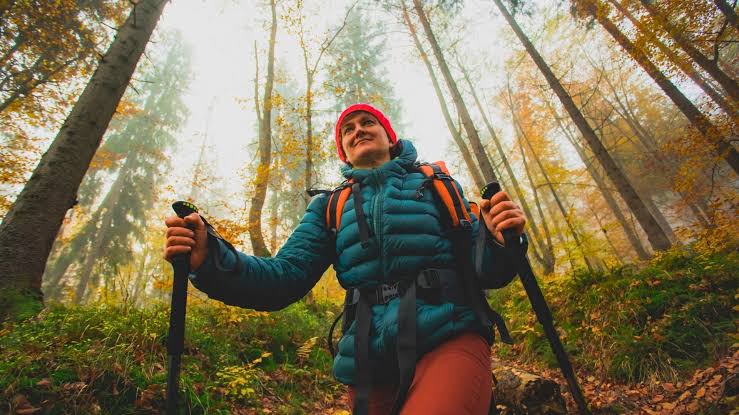
Hiking is much more than simply walking on a trail. It combines cardio exercise, strength training, exposure to nature and mental relaxation—which is why it can help with both excess belly fat and psychological stress.
1. Hiking burns calories and supports fat loss
Walking uphill requires more energy than walking on a flat surface. The body uses more calories to move against gravity, which can help create the calorie deficit needed for weight loss. With regular hiking and a balanced diet, this may gradually reduce overall body fat, including abdominal fat.
2. It engages multiple muscle groups
Unlike ordinary walking, hiking often involves the legs, glutes, core and back muscles. Uphill climbs especially increase the workload on the lower body and core. More active muscles mean greater energy expenditure and improved physical fitness.
3. It may help reduce stress-related belly fat
Chronic stress can increase cortisol levels. Long-term stress, poor sleep and unhealthy eating patterns may contribute to weight gain, particularly around the abdomen. Hiking can help reduce stress and improve mood, which may indirectly support better weight management.
Important: Cortisol is not the sole cause of belly fat. Abdominal fat is influenced by several factors, including overall calorie intake, genetics, sleep, physical activity and age.
4. Nature can calm the mind
Spending time in natural surroundings may help reduce mental fatigue and promote relaxation. The combination of greenery, fresh air, natural sounds and physical movement can provide a break from constant screen exposure and daily stress.
5. Hiking can boost mood
Physical activity stimulates the release of chemicals associated with improved mood and well-being. Regular exercise may help reduce feelings of stress and anxiety and can make people feel more energetic.
6. It can improve sleep
Regular physical activity may support better sleep quality. Good sleep is important for both mental health and weight management because poor sleep can increase hunger, cravings and fatigue, making it harder to stay physically active.
7. Hiking can improve cardiovascular fitness
Hiking—especially on inclines—raises the heart rate and challenges the cardiovascular system. Over time, regular aerobic activity can improve stamina and overall heart health.
8. The biggest benefit comes from consistency
One hike will not magically eliminate belly fat or mental stress. The real benefits come from regular activity, a balanced diet, adequate sleep and stress management.
Bottom Line
Hiking works on both the body and the mind. The physical effort helps increase calorie expenditure and fitness, while time in nature and exercise may help reduce stress and improve mood. This combination makes hiking a powerful activity for supporting both healthy weight management and mental well-being.

