



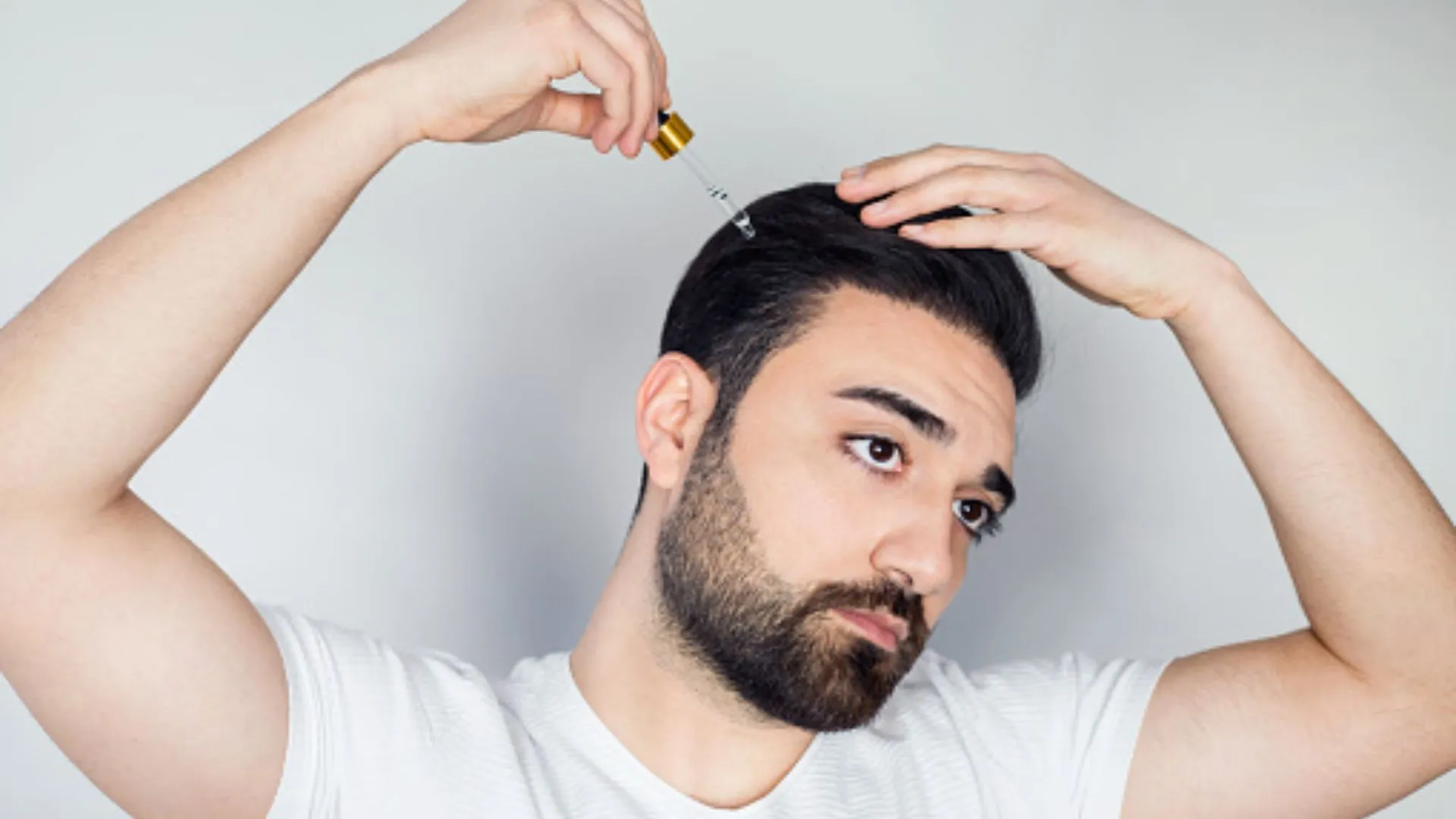
Hair loss and acne are two common concerns among men. Many people try different hair oils, shampoos, face washes and acne creams to manage these problems. While such products may help in certain cases, they do not always address the actual reason behind the symptoms.
Sometimes, persistent hair loss and recurring acne may be associated with hormonal changes, nutritional deficiencies, stress, lifestyle habits or underlying health conditions. In some individuals, these symptoms may even occur together, making it important to understand what is happening inside the body.
Although hair loss and acne are not necessarily signs of a serious medical problem, repeatedly treating only the visible symptoms without identifying their cause may delay appropriate treatment.
Here are seven important factors that men should understand when dealing with persistent hair loss and acne.
1. Hormonal Imbalances Can Affect Both Skin and Hair
Hormones play an important role in maintaining healthy skin and hair. Changes in androgen hormones, particularly their activity in the body, can influence oil production and hair growth.
Androgens stimulate the sebaceous glands in the skin to produce sebum. Excessive sebum production can contribute to clogged pores and acne.
In genetically susceptible men, dihydrotestosterone (DHT), a hormone produced from testosterone, can gradually shrink hair follicles. This process is associated with male-pattern hair loss, which commonly affects the forehead, temples and crown of the head.
However, acne and male-pattern baldness occurring together do not automatically indicate a hormonal disorder or unusually high testosterone levels.
What can help? If you experience persistent acne along with unusual or rapidly progressing hair loss, consult a dermatologist. A medical evaluation can help identify whether hormonal factors or other conditions are involved.
2. Chronic Stress Can Trigger Skin and Hair Problems
Stress is another important factor that can affect both skin and hair health. When a person experiences prolonged physical or emotional stress, the body releases hormones such as cortisol.
Increased stress can influence oil production, worsen existing acne and affect normal hair-growth cycles.
One condition associated with significant physical or emotional stress is telogen effluvium. In this condition, more hair follicles than usual enter the resting phase, leading to noticeable hair shedding, often a few months after the triggering event.
Stress may also encourage unhealthy habits such as poor sleep, irregular eating and inadequate self-care, which can further affect overall health.
What can help? Maintain a regular sleep schedule, exercise regularly, practise relaxation techniques and take breaks from stressful activities. If excessive hair shedding continues, seek medical advice to identify the underlying cause.
3. Nutritional Deficiencies May Affect Hair Growth and Skin Health
The body requires several essential nutrients to maintain healthy skin and support normal hair growth. Poor dietary habits and nutritional deficiencies may contribute to hair shedding and other skin-related concerns.
Some important nutrients include:
- Iron: Iron deficiency can contribute to hair loss, particularly when it causes iron-deficiency anaemia.
- Zinc: Zinc supports normal skin function, wound healing and hair health. Severe deficiency may contribute to hair loss.
- Vitamin D: Low vitamin D levels have been associated with certain hair-loss conditions, although the relationship varies.
- Vitamin B12: Deficiency can affect normal blood-cell production and nervous-system function and may contribute to general health problems.
- Protein: Inadequate protein intake can interfere with normal hair growth because hair is primarily made of a protein called keratin.
However, acne is not necessarily caused by vitamin or mineral deficiencies, and taking supplements without identifying a deficiency may not improve skin or hair problems.
What can help? Include eggs, dairy products, pulses, nuts, seeds, green vegetables, whole grains and other nutrient-rich foods in your diet. If hair loss is persistent, consult a doctor about whether blood tests are necessary.
4. Poor Sleep and Unhealthy Lifestyle Habits Can Make Problems Worse
Sleep is essential for the body’s recovery and normal functioning. Men who regularly sleep for insufficient hours may experience changes in stress regulation, appetite and overall skin health.
Poor sleep may also contribute to increased inflammation and make existing acne more difficult to manage in some individuals.
Similarly, unhealthy habits such as smoking, excessive alcohol consumption, irregular meals and a sedentary lifestyle can negatively affect overall health.
Although these habits do not directly explain every case of hair loss or acne, they may contribute to conditions that affect skin and hair.
What can help? Aim for 7–9 hours of sleep every night, eat balanced meals, stay physically active and avoid smoking. Limiting alcohol consumption can also support overall health.
5. Certain Medical Conditions Can Cause Hair Loss and Skin Changes
Sometimes, hair loss and acne may be associated with underlying medical conditions that require professional evaluation.
For example, thyroid disorders can affect the normal hair-growth cycle and contribute to excessive hair shedding. Some autoimmune conditions can also cause hair loss by affecting hair follicles.
Other conditions, such as polycystic ovary syndrome, are more commonly discussed in women but are not the typical explanation for acne and hair loss in men.
In men, persistent acne may be influenced by hormonal activity, while hair loss may result from genetics, scalp conditions, nutritional deficiencies or other medical causes.
It is important to understand that these symptoms do not necessarily indicate an underlying disease.
What can help? Avoid self-diagnosing based on internet information. If you notice sudden hair loss, unusual skin changes or other symptoms such as unexplained weight changes and persistent fatigue, consult a healthcare professional.
6. Scalp Infections and Skin Conditions May Be Responsible
Not all hair loss is related to hormones or nutritional deficiencies. Certain scalp conditions can also damage hair follicles or increase hair shedding.
For example, fungal scalp infections can cause itching, scaling, broken hairs and patchy hair loss. Seborrhoeic dermatitis may cause dandruff, redness and irritation, while other inflammatory scalp conditions can affect hair growth.
Similarly, acne can become worse due to excessive oil production, clogged pores, bacteria and inflammation.
Using random hair oils or harsh skincare products may sometimes irritate the scalp or skin rather than improve the condition.
What can help? Maintain scalp hygiene, avoid sharing personal grooming items and choose skincare products suitable for your skin type. If you notice painful bumps, severe itching, scaling or patchy hair loss, consult a dermatologist.
7. Genetic Factors Can Play an Important Role
Genetics is one of the major causes of hair loss in men. Male-pattern hair loss, also known as androgenetic alopecia, is influenced by inherited genetic sensitivity of hair follicles to DHT.
It can begin in early adulthood and gradually progress over time. A receding hairline, thinning around the temples and reduced hair density at the crown are common signs.
Genetics can also influence acne susceptibility by affecting oil production, inflammation and how the skin responds to hormonal changes.
This means that even men who maintain good hygiene and follow healthy lifestyles may experience acne or hair loss because of inherited factors.
What can help? Early consultation with a dermatologist can help identify the type of hair loss and available treatment options. Evidence-based treatments may help slow certain forms of hair loss, but the appropriate treatment depends on the diagnosis.
When Should Men Consult a Doctor?
Occasional pimples and mild hair shedding are generally normal. However, certain symptoms should not be ignored, particularly when they persist or become progressively worse.
Consider consulting a dermatologist if you experience:
- Sudden or excessive hair shedding.
- Patchy hair loss or noticeable bald spots.
- Persistent acne that does not improve with basic skincare.
- Painful, deep or cystic acne that may leave scars.
- Severe scalp itching, redness or scaling.
- Hair loss accompanied by unexplained fatigue, weight changes or other unusual symptoms.
A dermatologist may examine the scalp and skin, review medical history and recommend blood tests or other investigations if required.
Conclusion
Hair loss and acne in men are not always simple cosmetic problems that can be managed by applying hair oil or using acne creams. In some cases, these concerns may be influenced by hormonal activity, stress, nutritional deficiencies, poor sleep, genetic factors or underlying medical conditions.
The important thing is to identify the actual cause instead of relying only on temporary cosmetic solutions. Maintaining a balanced diet, managing stress, getting adequate sleep and following appropriate skincare and haircare routines can support overall skin and hair health.
If hair loss or acne is persistent, sudden or severe, professional medical advice can help prevent complications and ensure timely treatment.
Remember, healthy skin and hair begin with understanding your body’s needs. Do not ignore persistent changes simply because they appear to be cosmetic concerns.

