



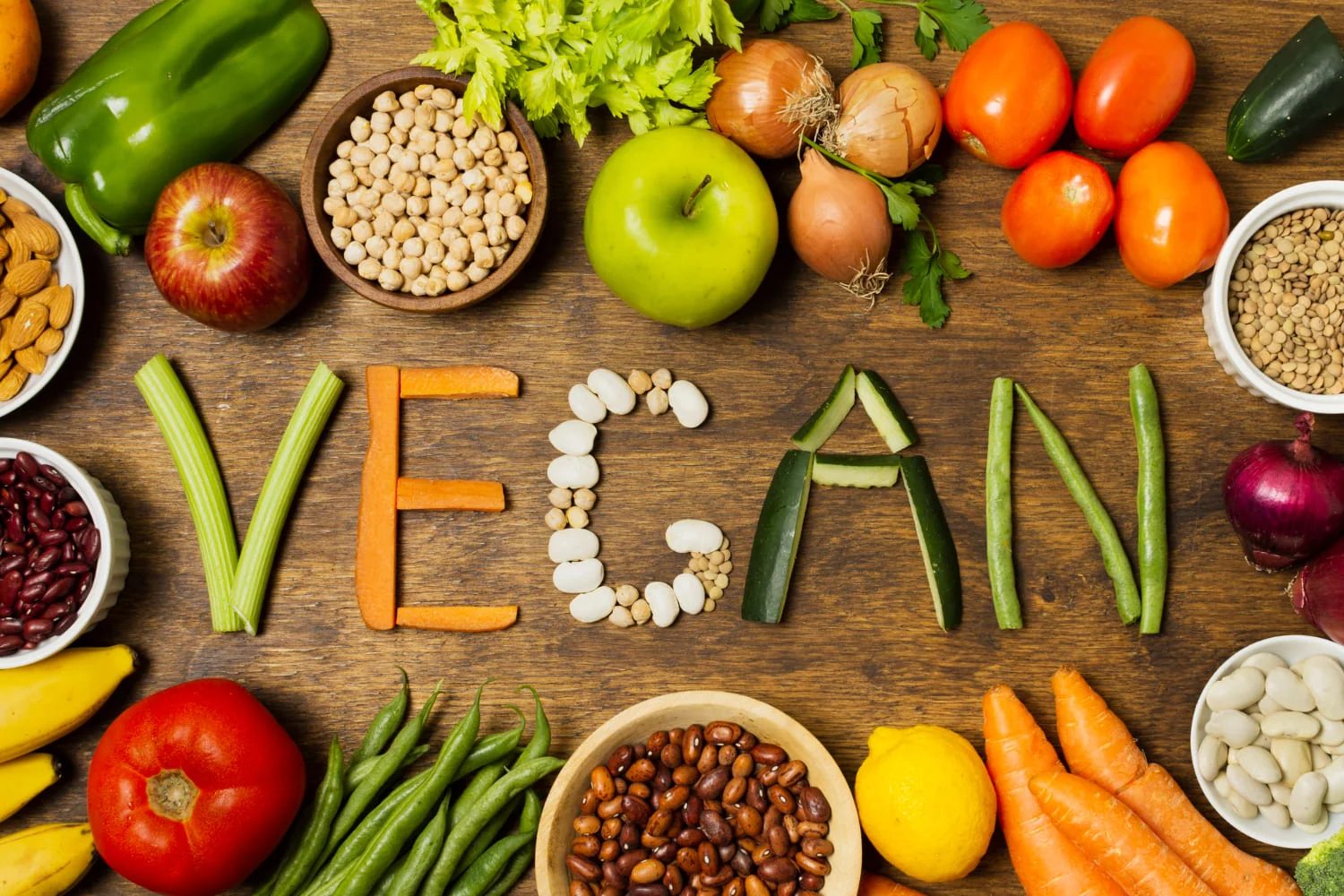
A vegan diet is often presented as either a perfect solution for better health or as a diet that is difficult to maintain and potentially lacking in essential nutrients. The reality is more nuanced.
A well-planned vegan diet can provide plenty of fiber, fruits, vegetables, legumes, whole grains, nuts, and seeds. Research has linked healthy plant-based dietary patterns with several favorable health outcomes, including improvements in body weight and some cardiometabolic risk factors. At the same time, a poorly planned vegan diet can leave important nutritional gaps.
So, is a vegan diet actually healthy?
It can be—but the quality and planning of the diet matter far more than the label “vegan.”
What Exactly Is a Vegan Diet?
A vegan diet excludes foods derived from animals. This generally means avoiding meat, poultry, fish, eggs, dairy products, and other animal-derived foods.
Instead, the diet relies on foods such as:
- Fruits and vegetables
- Beans, lentils, and chickpeas
- Whole grains
- Nuts and seeds
- Soy foods such as tofu and tempeh
- Plant-based milk and yogurt
- Other minimally processed plant foods
However, not everything labeled vegan is automatically nutritious. Vegan cookies, chips, sugary drinks, refined snacks, and highly processed meat alternatives can still be high in calories, sodium, added sugar, or saturated fat.
This is one of the most important points to understand:
A vegan diet and a healthy diet are not necessarily the same thing.
The Potential Health Benefits of a Well-Planned Vegan Diet
One of the biggest strengths of a well-designed vegan diet is the variety of nutrient-rich plant foods it can provide.
Plant foods are often rich in dietary fiber, vitamins, minerals, and various bioactive compounds. Systematic reviews have found that people following plant-based dietary patterns often consume more fiber, folate, vitamin C, vitamin E, and magnesium than people consuming diets with more animal foods.
1. It May Help With Weight Management
A vegan diet can make it easier for some people to reduce calorie intake because many whole plant foods are relatively low in energy density and high in fiber.
An umbrella review of systematic reviews and meta-analyses found that vegan diets were associated with a modest reduction in body weight in randomized controlled trials among generally healthy adults.
However, this does not mean every vegan automatically loses weight. A diet dominated by calorie-dense processed foods can still lead to excess calorie intake.
2. It May Support Heart Health
Replacing some foods high in saturated fat with plant foods such as vegetables, legumes, whole grains, nuts, and seeds can improve the overall nutritional quality of a diet.
Research on plant-based dietary patterns has found associations with favorable cardiovascular outcomes, particularly when the diet emphasizes healthy plant foods rather than refined and highly processed foods.
Again, the quality of the food choices matters.
A plate filled with beans, vegetables, whole grains, and nuts is very different from a plate filled with refined vegan foods.
3. It May Help With Blood Sugar Management
Plant-based dietary patterns have also been studied in people with type 2 diabetes.
A 2024 systematic review and meta-analysis of randomized controlled trials found that vegetarian dietary patterns—which included vegan patterns in the evidence base—likely reduced HbA1c and body mass index compared with nonvegetarian dietary patterns in adults with type 2 diabetes.
This suggests that a carefully designed plant-based diet can be one useful option for supporting metabolic health.
4. It Can Increase Fiber Intake
Fiber is one of the major nutritional advantages of eating a wide variety of plant foods.
Beans, lentils, vegetables, fruits, whole grains, nuts, and seeds can all contribute fiber to the diet.
Adequate fiber supports normal bowel function and can contribute to overall dietary quality.
But increasing fiber very quickly can also cause bloating or digestive discomfort in some people. Gradually increasing fiber while drinking adequate fluids can make the transition easier.
But Here’s the Part Many People Miss
A vegan diet can be healthy, but removing animal foods does not automatically guarantee nutritional adequacy.
Some nutrients require particular attention.
Vitamin B12
Vitamin B12 deserves special attention because reliable natural sources are limited in a completely plant-based diet.
Research has consistently identified vitamin B12 as one of the nutrients that may be inadequate in vegan diets.
For this reason, people following a vegan diet should obtain B12 through reliable fortified foods and/or an appropriate supplement.
Calcium and Vitamin D
Calcium is important for maintaining healthy bones, while vitamin D plays an important role in calcium absorption and bone health.
Some studies have found lower calcium intake among vegans, and plant-based dietary patterns may require careful attention to calcium and vitamin D sources.
Fortified plant milks and other fortified foods can be useful sources, depending on the product.
Iron
Plant foods contain iron, particularly foods such as lentils, beans, tofu, seeds, and leafy greens.
However, the type of iron found in plant foods is absorbed differently from the heme iron found in animal foods.
Combining iron-rich plant foods with vitamin-C-rich foods can help improve absorption.
People with increased iron requirements or known iron deficiency should discuss their diet and supplementation needs with a healthcare professional.
Iodine
Iodine is another nutrient that deserves attention in vegan diets.
Systematic reviews have found lower iodine intake and status in vegan groups compared with some other dietary patterns.
The appropriate source of iodine can depend on individual circumstances and local food practices, so it is worth discussing with a qualified healthcare professional or dietitian if you’re following a strict vegan diet.
Omega-3 Fatty Acids
Flaxseeds, chia seeds, walnuts, and certain plant oils provide alpha-linolenic acid (ALA), a plant-based omega-3 fatty acid.
However, the long-chain omega-3 fats EPA and DHA are generally much lower in vegan diets.
Algae-based DHA/EPA supplements may be an option for some people.
What About Protein?
One of the most common questions about vegan diets is:
“Can you get enough protein without meat or dairy?”
Yes, it is possible.
Beans, lentils, chickpeas, tofu, tempeh, soy foods, peas, nuts, seeds, and whole grains can all contribute protein.
Evidence suggests that protein intake may be lower in plant-based diets than in meat-based diets, but average intake can still fall within recommended levels when the diet contains enough calories and a variety of protein-rich foods.
People with particularly high protein requirements—such as athletes, older adults, or individuals recovering from illness—may benefit from personalized nutritional guidance.
The Biggest Lesson: “Vegan” Doesn’t Automatically Mean Healthy
This may be the most important part of the entire discussion.
A vegan diet based primarily on whole or minimally processed foods can be highly nutritious.
But a vegan diet based mainly on refined carbohydrates, sugary foods, fried foods, highly processed snacks, and ultra-processed meat substitutes may not provide the same benefits.
Recent research reinforces the distinction between healthy plant-based diets and unhealthy plant-based diets. A 2024 meta-analysis found that healthier plant-based dietary patterns were associated with lower mortality risk, while unhealthy plant-based patterns were associated with higher risk.
In other words:
The question shouldn’t simply be, “Is it vegan?”
A better question is:
“What foods make up the vegan diet?”
How to Build a Healthier Vegan Plate
A simple vegan meal can include several components:
½ plate: vegetables and/or salad
¼ plate: beans, lentils, tofu, tempeh, or another protein-rich food
¼ plate: whole grains, potatoes, or another carbohydrate source
Add a small amount of nuts, seeds, or healthy plant-based fats.
Across the day, include a variety of fruits, vegetables, legumes, whole grains, nuts, and seeds.
And don’t forget the nutrients that require special attention—particularly vitamin B12 and, depending on the individual diet, vitamin D, calcium, iodine, iron, zinc, and omega-3 fats.
So, Is a Vegan Diet Truly Beneficial?
The answer is yes, it can be—but it isn’t automatically healthy simply because it is vegan.
Research suggests that well-planned vegan and plant-based diets can offer meaningful benefits, including favorable effects on body weight and some cardiometabolic measures. At the same time, nutritional deficiencies can occur when important nutrients are overlooked.
The healthiest approach is not about following a dietary label blindly.
It is about eating a diverse range of nutrient-dense foods, getting enough protein and calories, paying attention to nutrients that may be difficult to obtain, and using fortified foods or supplements when appropriate.
If you’re considering a strict vegan diet—particularly during pregnancy, adolescence, older age, athletic training, or when you have a medical condition—personalized advice from a registered dietitian or healthcare professional can be valuable.
The Bottom Line
A vegan diet isn’t a magic cure, and it isn’t inherently unhealthy.
A well-planned vegan diet can be a healthy way of eating. A poorly planned vegan diet can create nutritional problems.
Ultimately, health comes less from the word vegan and more from the quality, variety, balance, and nutritional adequacy of the foods on your plate.

