



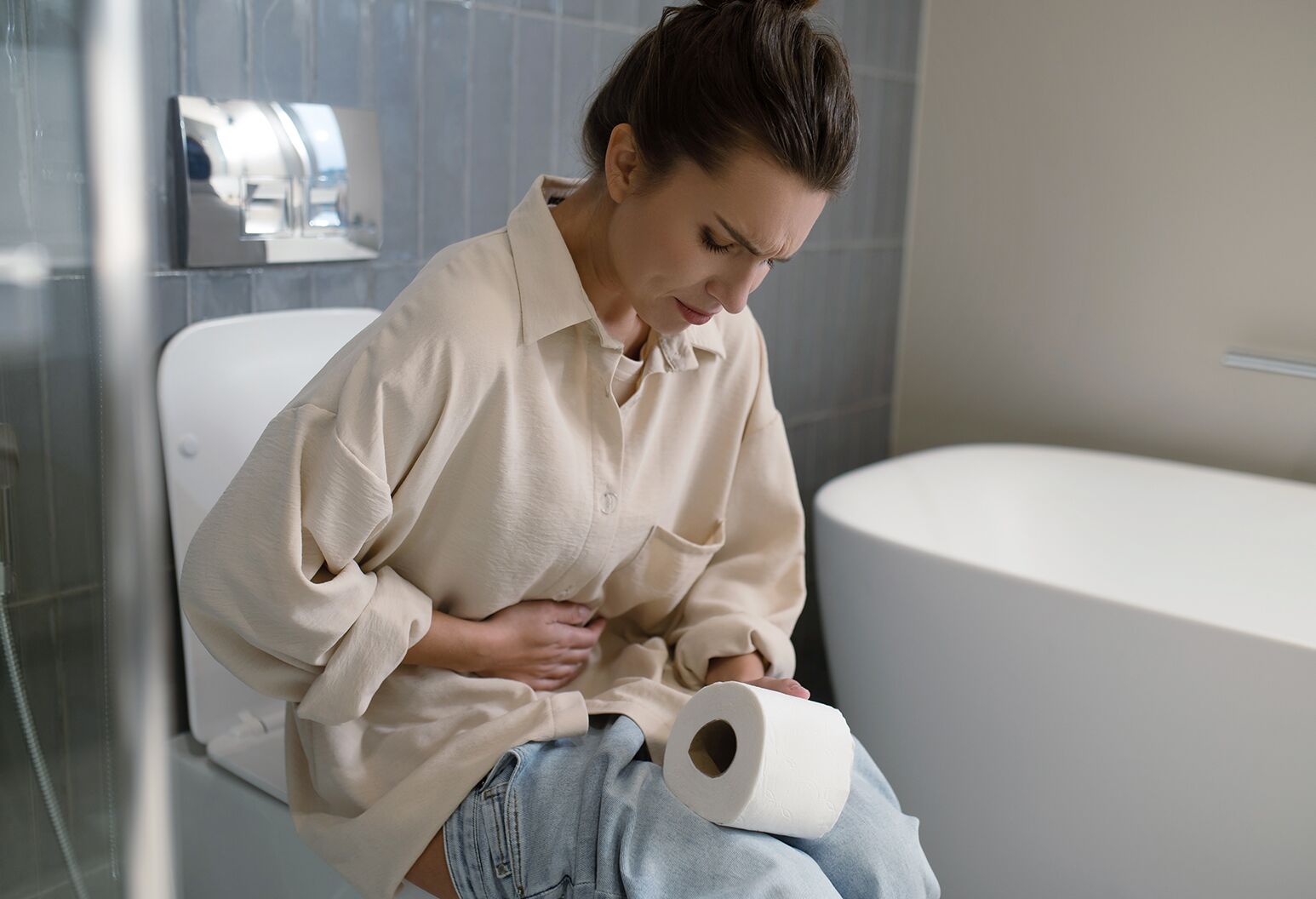
Have you ever finished a meal and, within minutes, suddenly felt the urge to use the toilet?
For some people, this happens occasionally. For others, it seems to happen after almost every meal. Naturally, this can raise questions: Is the food moving through the body too quickly? Is digestion happening normally? Or could this be a sign of a digestive problem?
In many cases, there is a simple explanation.
The urge to have a bowel movement shortly after eating is often caused by something called the gastrocolic reflex. It is a normal digestive response that encourages the colon to move its existing contents when food enters the stomach.
So, if you need to use the toilet shortly after eating, it does not usually mean that the meal you just ate has already passed through your entire digestive system.
What Is the Gastrocolic Reflex?
Your digestive system is constantly communicating through nerves, muscles, and hormones.
When you eat, your stomach stretches as it receives food. This can send signals to the colon, prompting it to contract and move stool that was already present farther along the digestive tract.
This is known as the gastrocolic reflex.
The response can begin within minutes of eating and may continue for some time. Its strength varies from person to person.
Think of it as your digestive system making room for what is coming next.
Does This Mean Food Is Passing Through Immediately?
No.
This is one of the most common misunderstandings.
When you feel the urge to have a bowel movement after eating, the stool being passed is generally material that has already been moving through your digestive tract.
The newly eaten food has not simply traveled from your stomach to your toilet in a few minutes.
Instead, eating has stimulated your colon to become more active.
Why Does It Happen More Strongly After Some Meals?
The gastrocolic reflex isn’t equally strong after every meal.
Larger meals can stretch the stomach more, potentially producing a stronger response. Certain foods and drinks may also stimulate bowel activity. High-calorie meals, fatty or greasy foods, spicy foods, caffeine, and alcohol can trigger stronger bowel contractions in some people.
This is why someone might notice that their morning coffee or a large breakfast reliably sends them to the bathroom.
For that person, the pattern may simply reflect their normal digestive response.
Could Stress Be Playing a Role?
Yes.
The digestive system and nervous system are closely connected. Stress can affect bowel movements and may make some people more sensitive to normal digestive sensations.
If you notice that the urge becomes particularly strong during stressful situations, before important events, or during periods of anxiety, your nervous system may be contributing to the pattern.
Stress can also worsen symptoms in people who have functional digestive disorders such as irritable bowel syndrome (IBS).
When Is It Probably Normal?
An urge to have a bowel movement after eating is generally less concerning when:
- It happens occasionally or follows a consistent personal pattern.
- Your stools are generally normal in consistency.
- You don’t have significant abdominal pain.
- You aren’t losing weight without trying.
- There is no blood or black stool.
- You aren’t experiencing persistent or severe diarrhea.
- You otherwise feel healthy.
If you feel well and your bowel habits are stable, going to the bathroom after a meal can simply be part of your body’s normal rhythm.
When Could It Be a Sign of a Problem?
The situation deserves more attention when the post-meal urgency is persistent, disruptive, or accompanied by other symptoms.
For example, frequent loose or watery stools may indicate diarrhea rather than simply a strong gastrocolic reflex. Persistent diarrhea can have many causes, including infections, food intolerances, IBS, celiac disease, and inflammatory bowel disease.
Other symptoms worth discussing with a healthcare professional include:
- Persistent or severe abdominal pain
- Repeated diarrhea
- Blood in the stool
- Black or tarry stools
- Unexplained weight loss
- Fever
- Significant bloating
- Persistent nausea or vomiting
- Signs of dehydration
- A major and lasting change in bowel habits
Blood in the stool, severe abdominal pain, dehydration, or significant persistent diarrhea should not simply be dismissed as a normal digestive reaction.
Could Food Intolerance Be Responsible?
Sometimes, the problem isn’t eating itself but what you are eating.
If urgency consistently occurs after particular foods, pay attention to the pattern.
For example, you might notice symptoms after consuming very fatty foods, large meals, caffeine, alcohol, or foods that you personally have difficulty tolerating.
Keeping a simple food-and-symptom diary for a short period can help identify patterns. Record what you eat, when you eat it, when symptoms occur, and what your bowel movements are like.
However, don’t unnecessarily eliminate large groups of foods based on assumptions. If symptoms are persistent, a healthcare professional can help determine whether testing or dietary changes are appropriate.
What About IBS?
For people with irritable bowel syndrome, eating can sometimes trigger abdominal discomfort and an urgent need to have a bowel movement.
IBS can involve diarrhea, constipation, or alternating bowel habits. The gastrocolic reflex itself is normal, but people with certain digestive disorders may experience stronger or more uncomfortable responses.
If you regularly have urgency accompanied by abdominal pain, changes in stool consistency, bloating, or changes in bowel frequency, it is worth discussing the symptoms with a healthcare professional.
What Can You Do If It Happens Frequently?
If your symptoms are mild and you otherwise feel well, start by observing your habits rather than immediately assuming something is wrong.
Try to notice:
What are you eating?
Large, greasy, spicy, or highly stimulating meals may trigger stronger bowel activity in some people.
What are you drinking?
Coffee, other caffeinated beverages, and alcohol can affect bowel activity.
How quickly are you eating?
Eating large meals quickly may produce more stomach stretching than smaller, slower meals.
How stressed are you?
Notice whether urgency increases during stressful periods.
What does your stool look like?
Frequency alone doesn’t tell the whole story. Persistent watery or loose stools are more concerning than simply having a normal bowel movement after eating.
Don’t Ignore Persistent Changes
The important thing is not simply when you use the toilet.
Your overall bowel pattern matters.
Someone who has a normal bowel movement shortly after breakfast every day and feels perfectly well may have nothing to worry about.
On the other hand, someone who suddenly develops frequent urgent diarrhea after every meal, especially with pain, blood, fever, dehydration, or unexplained weight loss, should seek medical advice.
If diarrhea lasts more than two days without improvement, or you develop severe abdominal pain, bloody or black stools, significant dehydration, or a high fever, medical evaluation is recommended.
The Bottom Line
Feeling the urge to use the toilet shortly after eating is not automatically a cause for concern.
In many people, it is simply the gastrocolic reflex—a normal mechanism that helps move existing material through the colon when food enters the stomach.
The key is to pay attention to the bigger picture.
If your bowel movements are normal and you feel healthy, the timing alone is usually not alarming. But if the urgency is new, persistent, increasingly severe, or accompanied by diarrhea, significant pain, bleeding, weight loss, fever, or dehydration, it deserves medical attention.
Your digestive system has its own rhythm. Understanding that rhythm can help you distinguish between a normal bodily response and a symptom that shouldn’t be ignored.

