



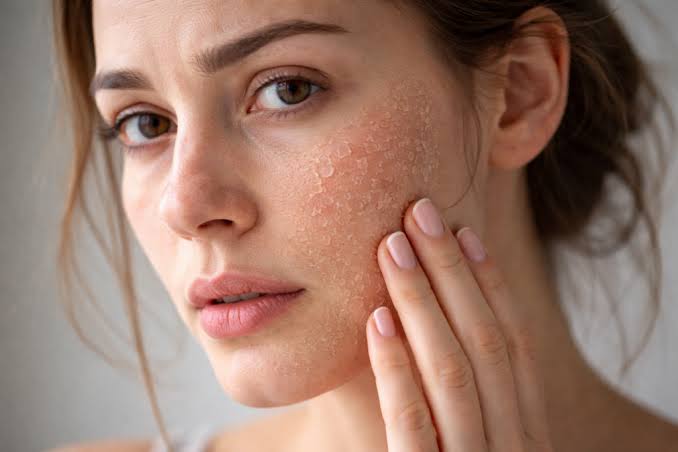
When Your Digestion Is Off, Your Skin May Show It
Have you ever noticed that when your stomach feels heavy, your bowel movements are irregular, and you are not feeling your best, your face also seems to lose some of its freshness?
There is a real connection between digestive health and overall well-being, but it is important to understand it correctly. Constipation does not simply mean that “toxins are trapped in the body and coming out through the skin.” That popular explanation is not supported by good medical evidence.
Instead, the relationship is more complicated. The gut and skin communicate through what researchers call the gut-skin axis, involving the immune system, gut microbes, metabolism, inflammation and other biological pathways. Research suggests that changes in the gut microbiome can influence skin health, although scientists are still working out exactly how important these pathways are in humans.
What Does Constipation Actually Mean?
Constipation can involve having fewer than three bowel movements per week, hard or dry stools, difficulty passing stool, or feeling that you have not completely emptied your bowel.
It can happen because of insufficient dietary fiber, inadequate fluid intake, low physical activity, changes in routine, ignoring the urge to pass stool, certain medicines, or underlying medical conditions.
So when someone says, “My constipation is making me look dull,” there may be several things happening at the same time.
How Could Constipation Be Related to Skin Appearance?
1. Dehydration can affect both the bowel and skin
Not drinking enough fluid can contribute to constipation. At the same time, dehydration can make the skin appear less plump and comfortable.
This does not mean constipation itself directly removes the glow from your face. Rather, dehydration can be a common factor behind both problems. NIDDK recommends adequate fluids, particularly when increasing fiber intake.
2. Your diet matters
A diet low in fruits, vegetables, whole grains and other sources of fiber can contribute to constipation. The same dietary pattern may also mean you are missing a variety of nutrients important for overall health.
For most adults, the recommended fiber intake is around 22–34 grams per day, depending on age and sex. Fiber should generally be increased gradually.
A practical approach is to include foods such as vegetables, fruits, beans, lentils, whole grains and nuts rather than focusing on a “detox” product.
3. The gut microbiome may be part of the story
Our intestines contain trillions of microorganisms that interact with digestion, metabolism and the immune system. Research into the gut-skin axis suggests that communication between the gut and skin can involve microbial metabolites, immune responses and inflammatory pathways.
This is an exciting area of research, but it should not be exaggerated. Having constipation does not automatically mean that your gut microbiome is damaged or that you will develop acne, pigmentation or dull skin.
4. Stress can affect both digestion and appearance
Stress can influence bowel habits, sleep, appetite and daily routines. Poor sleep and prolonged stress can also make a person look tired.
From a human point of view, this can create a cycle: stress → disrupted routine → constipation → discomfort → poorer sleep or mood → feeling that you look less healthy.
The visible change may therefore be the result of several factors rather than constipation alone.
5. Feeling better can change how you look and feel
When constipation improves, people may feel lighter, less bloated and more comfortable. Better hydration, improved diet, regular movement and better daily routines may also accompany that improvement.
That overall improvement can make you feel that your face has regained its “glow.” It is a reasonable personal observation, but it should not be interpreted as proof that stool was releasing harmful toxins through the skin.
Does Clearing Your Bowels Automatically Make Your Face Glow?
No—not automatically.
There is no medical rule saying that having a bowel movement will immediately make your skin brighter. Skin appearance is influenced by many factors, including genetics, age, sleep, sun exposure, hydration, nutrition, hormones, skin-care habits and medical conditions.
The gut-skin connection is genuine and scientifically interesting, but the evidence does not support the simple claim that constipation directly causes facial dullness. Current research describes the gut-skin relationship as complex and still developing.
What Can You Do for Better Digestion and Healthier-Looking Skin?
Instead of looking for a quick “colon cleanse,” focus on basic habits:
- Eat a varied, fiber-rich diet.
- Increase fiber gradually rather than suddenly.
- Drink adequate fluids.
- Stay physically active.
- Do not repeatedly ignore the urge to have a bowel movement.
- Maintain a regular daily routine.
- Get enough sleep.
- Manage ongoing stress.
- Protect your skin from excessive sun exposure.
- Avoid unnecessary detoxes, laxatives or supplements marketed as a way to “remove toxins from the skin.”
Regular physical activity, adequate fiber and appropriate fluid intake are among the measures recommended for managing or preventing constipation.
A Human Perspective
Sometimes the body gives us small signals before we pay attention. A heavy stomach, irregular bowel movements, poor sleep, low energy and tired-looking skin can all make us feel that something is not right.
Instead of blaming one symptom—such as constipation—for everything, it is better to look at the whole picture.
Your skin is not simply a mirror of your bowel movements. But your gut, nutrition, hydration, stress, sleep and skin are all parts of the same human body, and they can influence one another.
Taking care of digestion is therefore worthwhile—not because you need to “flush toxins out of your face,” but because healthy bowel habits, good nutrition, hydration and a balanced lifestyle support your overall health.
Important note
If constipation does not improve with self-care, or if it occurs with rectal bleeding or blood in the stool, persistent abdominal pain, vomiting, inability to pass gas, fever or unexplained weight loss, medical evaluation is important.

