



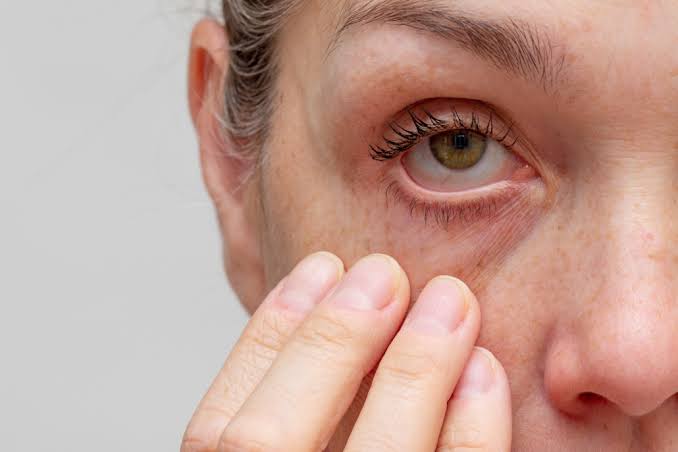
Have you noticed that your eyes often feel dry, burning or gritty, while at the same time you find it difficult to see clearly when you enter a dark room or go outside at night?
These symptoms can occur for several different reasons. Sometimes they are related to common problems such as dry eye or an uncorrected vision prescription. In other cases, difficulty seeing in dim light—known as night blindness or poor dark adaptation—can be associated with conditions affecting the retina or, in some circumstances, vitamin A deficiency.
Importantly, dry eyes and poor night vision do not automatically mean that you have a vitamin A deficiency. They can have completely different causes and should be evaluated appropriately.
What Is Dry Eye?
Dry eye occurs when the eyes do not produce enough tears or when the tears do not work properly to keep the surface of the eye moist.
Common symptoms include:
- Dryness or a gritty sensation
- Burning or stinging
- Redness
- Sensitivity to light
- Blurred or fluctuating vision
- Feeling as though something is stuck in the eye
The National Eye Institute notes that prolonged computer, tablet or smartphone use can contribute to dry eye, while age, contact-lens use, certain medicines and some health conditions can also increase the risk.
Why Are Your Eyes Becoming Dry?
There is not just one cause of dry eyes.
1. Excessive screen use
When concentrating on a phone or computer screen, people often blink less frequently. This can allow the tear film covering the eye to evaporate more quickly.
2. Air conditioning, fans and dry environments
Air blowing directly toward your face can increase evaporation from the surface of the eye.
3. Age
The risk of dry eye increases with age because tear production and the quality of the tear film can change.
4. Contact lenses
Contact-lens wear can contribute to dryness in some people.
5. Certain medicines
Some medicines, including certain treatments for allergies, depression and high blood pressure, can contribute to dry-eye symptoms.
6. Other health conditions
Dry eye can sometimes occur alongside conditions such as diabetes, thyroid disorders and autoimmune diseases.
What Does Poor Vision in the Dark Mean?
Having difficulty seeing when the surroundings become dark is commonly called night blindness.
Everyone needs some time for their eyes to adjust when moving from bright surroundings into darkness. However, if you consistently struggle to see in dim light, have difficulty moving around at night or notice a major difference between your vision in daylight and darkness, it deserves attention.
Night vision depends partly on the retina’s rod cells, which are particularly important for vision in low-light conditions.
Could Vitamin A Deficiency Be the Reason?
Yes, vitamin A deficiency can cause night blindness—but it is not the only possible cause.
Vitamin A is important for normal visual function. The World Health Organization identifies night blindness as one of the clinical manifestations of vitamin A deficiency. In more severe deficiency, the eye can become extremely dry and damage to the cornea can occur.
Vitamin A is involved in the production of rhodopsin, a light-sensitive visual pigment needed by the rod cells of the retina. When vitamin A deficiency becomes significant, rod-cell function can be impaired, making it harder to see in low light.
This is why the combination of eye dryness + difficulty seeing in the dark should not simply be ignored.
However, these symptoms alone cannot tell you whether you are deficient in vitamin A.
Other Causes of Poor Night Vision
Night-vision problems can have several causes.
Refractive errors
An incorrect or outdated glasses prescription can make vision blurry, including at night.
Cataracts
Cataracts can cause blurred vision, glare and difficulty seeing in low-light conditions.
Retinal disorders
Certain diseases affecting the retina can interfere with night vision.
Glaucoma and other eye conditions
Various eye diseases can affect visual function, sometimes before a person notices major changes in everyday vision.
Certain medications or health conditions
Some medicines and systemic health problems can affect vision or contribute to dry-eye symptoms.
Because there are many possible causes, persistent night-vision problems should not automatically be treated as a nutritional deficiency. WHO also identifies refractive errors, cataract, diabetic retinopathy, glaucoma and age-related macular degeneration among major causes of vision impairment globally.
When Dry Eyes and Night Blindness Occur Together
This combination is particularly interesting because severe vitamin A deficiency can affect both the surface of the eye and low-light vision.
The condition known as xerophthalmia represents the spectrum of eye changes associated with vitamin A deficiency. It can progress from night blindness and dryness of the conjunctiva to more serious corneal damage if the deficiency is severe and untreated.
But this does not mean that every person with dry eyes and poor night vision has xerophthalmia.
For many people, the two symptoms may have unrelated causes—for example, screen-related dry eye combined with an uncorrected refractive error.
What Should You Eat for Healthy Eyes?
A balanced diet is important for maintaining overall eye health.
Vitamin A can be obtained from foods containing preformed vitamin A as well as foods containing carotenoids such as beta-carotene, which the body can convert to vitamin A.
Examples include:
- Carrots
- Sweet potatoes
- Pumpkin
- Dark green leafy vegetables
- Eggs
- Dairy products
- Liver
However, eating large amounts of one particular food is not a substitute for diagnosing an actual deficiency or eye disease.
WHO notes that vitamin A is important for visual health and that vitamin A deficiency remains a public-health problem in many parts of the world, including parts of South-East Asia.
Should You Take Vitamin A Supplements Yourself?
Not automatically.
Vitamin A is an essential nutrient, but taking high-dose supplements without a medical reason is not a good approach. If night blindness is caused by vitamin A deficiency, a healthcare professional can determine the appropriate evaluation and treatment.
If your symptoms are actually caused by cataracts, retinal disease, an incorrect glasses prescription or another eye condition, taking vitamin A will not solve the underlying problem.
What Can You Do About Dry Eyes?
Some basic measures may help with mild dry-eye symptoms:
- Take regular breaks from prolonged screen use.
- Remember to blink regularly while using digital devices.
- Avoid having fans or air conditioners blow directly into your eyes.
- Get adequate sleep.
- Stay adequately hydrated.
- Consider artificial tears if recommended by a healthcare professional or pharmacist.
The National Eye Institute lists artificial tears and lifestyle changes among common approaches to managing dry eye, depending on its cause and severity.
If symptoms continue, an eye-care professional can examine the eyes and determine whether the problem is actually dry eye or something else.
When Should You See an Eye Doctor?
You should arrange an eye examination if:
- Your night vision is noticeably getting worse.
- You regularly struggle to see in dim lighting.
- Your vision has become blurry or distorted.
- Dryness or irritation persists despite basic measures.
- You experience significant eye pain or redness.
- You notice flashes, many new floaters or a curtain-like shadow over your vision.
- Your vision suddenly decreases.
An eye examination can identify problems that cannot be diagnosed from symptoms alone. For dry eye, an eye doctor can assess tear production and tear-film stability using tests such as a slit-lamp examination, Schirmer’s test or tear break-up time testing.
Final Takeaway
Dry eyes and poor vision in the dark can have many different causes.
Vitamin A deficiency is an important possible cause of night blindness and, when severe, can also produce significant dryness and damage to the eye.
But it would be incorrect to assume that these symptoms always mean you need more vitamin A. Dry eye from screen use or environmental factors, refractive errors, cataracts, retinal disorders and other conditions can also affect your vision.
The safest approach is to pay attention to persistent symptoms and get an eye examination, especially if your ability to see in darkness is deteriorating.
Healthy eyes require more than a single nutrient: a balanced diet, appropriate screen habits, regular eye care and timely treatment of eye problems all play an important role.

