



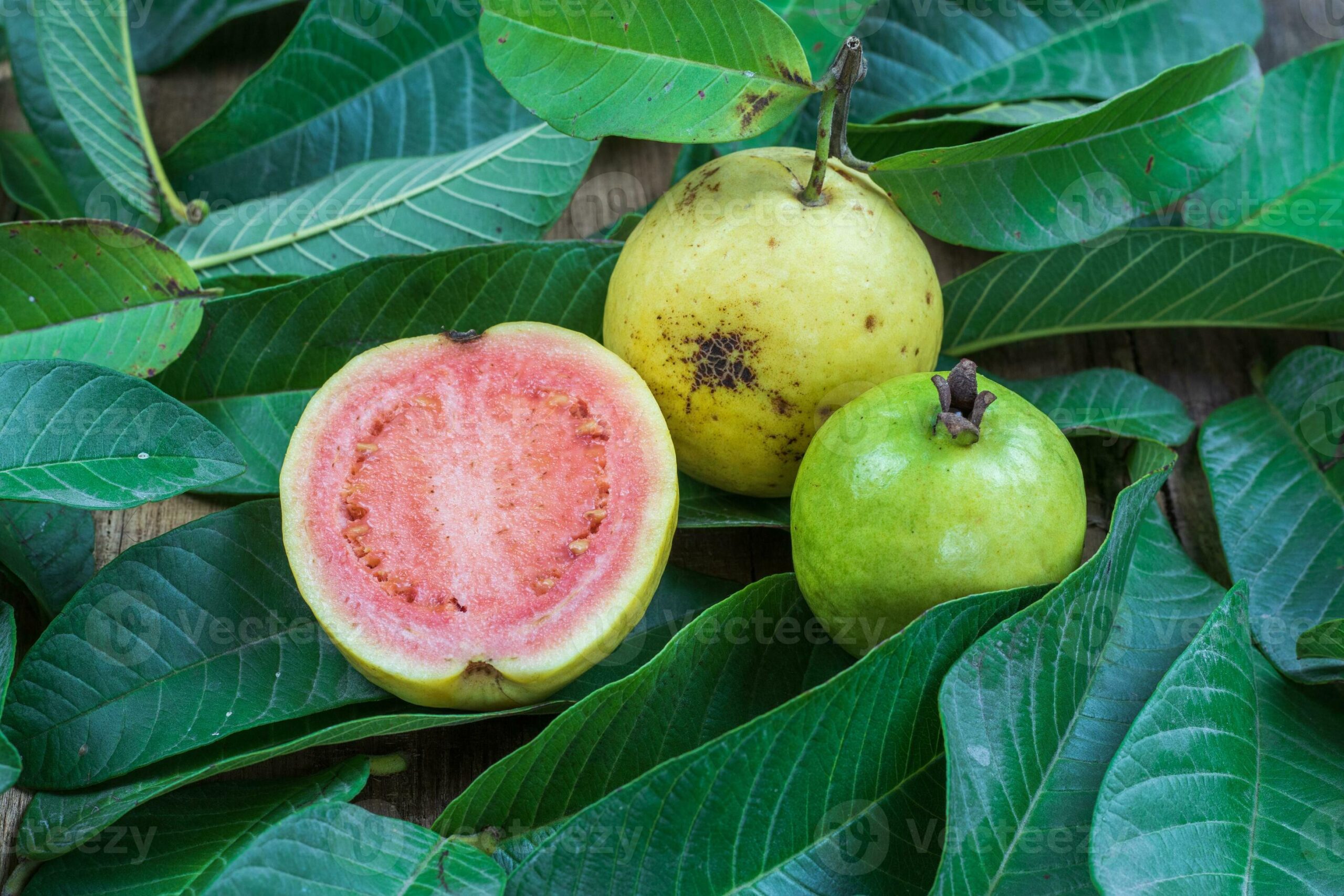
Guava: A Tree With More Than One Useful Part
When we think about guava, we usually think about the delicious fruit. But the leaves of the guava tree have also been used traditionally in different cultures, particularly as an herbal tea or preparation.
Modern research has found that guava leaves contain various plant compounds, including phenolic compounds and flavonoids, that may have antioxidant and other biological activities. However, this does not mean that guava leaves are a cure for diseases. Much of the evidence is still based on laboratory and animal research, with fewer high-quality human studies.
1. They Contain Beneficial Plant Compounds
Guava leaves contain naturally occurring phytochemicals such as flavonoids and other phenolic compounds. These substances have antioxidant activity and are one reason researchers are interested in the leaves.
Antioxidants help protect cells from oxidative stress, although drinking guava-leaf tea should not be presented as a substitute for a nutritious diet.
2. Traditional Use for Digestive Health
Guava leaves have a long history of traditional use for digestive complaints. Guava-leaf preparations are particularly known in traditional medicine for gastrointestinal problems.
Some research has investigated compounds from guava leaves for their effects on the digestive system, but the evidence is not strong enough to say that guava leaves can treat every digestive disorder.
3. Possible Blood-Sugar Effects
Researchers have investigated guava leaves and their extracts for possible effects on blood-glucose regulation. Certain compounds in the leaves appear promising in experimental research.
But this is an important distinction: promising research does not mean guava leaves can replace diabetes medication. Anyone with diabetes should discuss herbal products with a healthcare professional, particularly because combining them with medication could potentially affect blood glucose.
4. Antioxidant and Anti-Inflammatory Potential
Laboratory and animal research suggests that compounds found in guava leaves may have antioxidant and anti-inflammatory properties.
These findings are interesting, but effects observed in a laboratory or animal model cannot automatically be translated into the same health benefit in humans. More well-designed clinical research is needed.
5. What About the Guava Fruit?
The fruit itself is an excellent addition to a balanced diet. Guava provides vitamin C, fiber, vitamin A, potassium, iron and other nutrients. One cup of raw guava contains about 8.9 grams of dietary fiber and more than the daily value of vitamin C.
So if you are choosing between eating guava and relying on guava leaves for health, the fruit has a much clearer nutritional role.
6. How Are Guava Leaves Commonly Used?
One traditional method is to prepare the leaves as a tea. The leaves are generally washed and infused or boiled in water before drinking.
However, there is no universally established medical dose for guava-leaf tea, and homemade preparations can vary considerably in strength.
It is better to think of it as a traditional beverage rather than a guaranteed treatment.
7. Can Guava Leaves Detox the Body?
This is where health claims often go too far.
Your body already has sophisticated systems for processing and eliminating waste, particularly the liver, kidneys, intestines and lungs. There is no good reason to claim that guava-leaf tea “flushes all toxins” from the body.
A healthier message is that guava leaves contain interesting plant compounds and have a long history of traditional use—but they are not a magic detox medicine.
8. What About Skin and Hair?
You may find claims online that guava leaves can clear acne, prevent wrinkles or stop hair loss. Although guava leaves contain antioxidant and other bioactive compounds, these claims should not be presented as established treatments.
There is currently much stronger evidence for maintaining skin health through basics such as adequate nutrition, sun protection, sleep and appropriate skin care than relying on homemade guava-leaf preparations.
9. Are Guava Leaves Safe for Everyone?
Natural does not automatically mean risk-free.
If you are pregnant or breastfeeding, take prescription medicines, have diabetes, or have another medical condition, it is sensible to speak with a healthcare professional before regularly consuming concentrated herbal preparations.
Also, avoid confusing traditional use with proven medical treatment. Research on guava leaves is promising, but the clinical evidence remains limited.
The Human Perspective
Sometimes we look at a familiar tree and see only its fruit. But traditional knowledge reminds us that plants can have many uses. Guava is a good example: the fruit is a nutritious food, while the leaves contain plant compounds that researchers continue to investigate.
The important thing is to keep expectations realistic.
Enjoy guava as part of a balanced diet, and if you enjoy guava-leaf tea, treat it as a traditional beverage rather than a cure-all. Good health usually comes from many small habits—nutritious food, adequate water, physical activity, good sleep and appropriate medical care—not from one miraculous ingredient.
In short: guava fruit is nutritionally valuable, and guava leaves are scientifically interesting, but more human research is needed before many of the stronger health claims about the leaves can be considered proven.

