



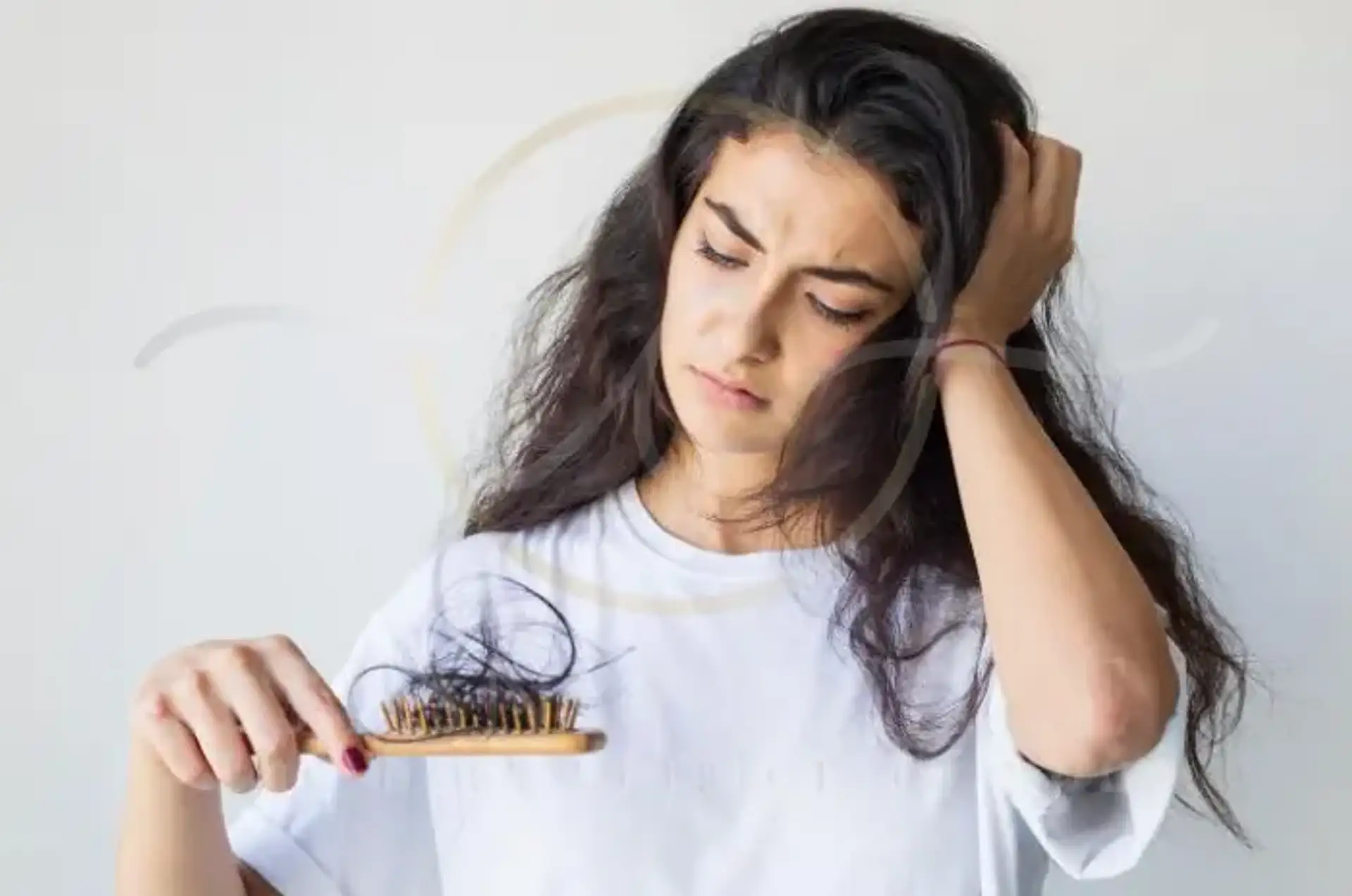
Hair loss can happen for many reasons, including genetics, hormonal changes, stress, illness, certain medications, thyroid problems, and nutritional deficiencies. Diet cannot prevent every type of hair loss, but getting enough essential nutrients can support normal hair growth and may help when a deficiency is contributing to excessive shedding.
If you are experiencing increased hair fall, focus on a balanced diet rather than relying on “hair growth” supplements. Here are some important nutrients to include in your daily diet.
1. Iron-Rich Foods
Iron deficiency can be associated with hair loss, particularly when it progresses to iron-deficiency anemia. Good food sources include lentils, beans, spinach and other leafy greens, eggs, poultry, lean meat, seafood, and iron-fortified foods.
For people following a vegetarian or vegan diet, regularly including legumes, leafy vegetables, seeds, and fortified foods can help increase iron intake.
2. Protein
Hair is largely made of a protein called keratin, so adequate protein intake is an important part of a balanced diet. Include foods such as eggs, dairy products, fish, chicken, lean meat, beans, lentils, soy, tofu, nuts, and seeds.
Avoid extreme dieting or very low-calorie diets, as significant weight loss and dietary changes can trigger increased hair shedding in some people.
3. Zinc
Zinc plays an important role in many processes in the body, and zinc deficiency can be associated with hair loss. Food sources include meat, poultry, seafood, dairy products, beans, nuts, and whole grains.
However, more zinc is not necessarily better. Excessive zinc supplementation can cause problems, including copper deficiency, so supplements should not be taken routinely without a reason.
4. Vitamin D
Vitamin D is another nutrient worth discussing with a healthcare professional if you have unexplained hair loss, particularly if you may be at risk of deficiency. Foods containing vitamin D include fatty fish and fortified foods such as some milk and other dairy or plant-based alternatives.
If a blood test confirms vitamin D deficiency, your doctor can recommend an appropriate supplement dose.
5. Biotin
Biotin is frequently marketed as a “hair vitamin,” but biotin deficiency is rare in people eating a normal varied diet. A true deficiency can cause thinning hair, but there is limited evidence that taking extra biotin improves hair growth in people who are not deficient.
Foods containing biotin include eggs, fish, meat, nuts, seeds, and some vegetables.
High-dose biotin supplements can also interfere with certain laboratory tests, including some hormone tests. Therefore, avoid taking high-dose biotin simply because you are experiencing hair fall.
6. Vitamin B12 and Folate
Vitamin B12 and folate are important for normal cell production and overall health. Include foods such as eggs, dairy products, fish, meat, leafy greens, beans, peas, and fortified foods.
People following vegetarian or vegan diets may need to pay particular attention to vitamin B12 because naturally occurring B12 is mainly found in animal-derived foods.
7. Vitamin C
Vitamin C-rich foods such as oranges, guava, amla, berries, tomatoes, bell peppers, and other fruits and vegetables can help you maintain a nutrient-rich diet. Vitamin C also helps the body absorb iron from plant foods.
Combining an iron-rich plant food with a vitamin C-rich food—for example, lentils with tomatoes or leafy greens with lemon—can be a simple way to build a balanced meal.
Don’t Take Supplements Without Checking for a Deficiency
One of the biggest mistakes people make when dealing with hair loss is taking several supplements at once. Nutrients such as iron and zinc are essential, but excessive amounts can also be harmful. Similarly, biotin supplements have limited evidence for improving hair in people without a deficiency.
If hair shedding is persistent or noticeably increasing, consider speaking with a doctor or dermatologist. Depending on your symptoms and medical history, they may determine whether nutritional deficiencies, thyroid problems, hormonal changes, medications, stress, or another condition could be contributing to the problem.
A Simple Hair-Friendly Plate
A balanced meal could include:
- Protein: eggs, fish, chicken, paneer, tofu, beans, or lentils
- Iron-rich foods: lentils, beans, leafy greens, lean meat, or fortified foods
- Healthy fats: nuts, seeds, and vegetable oils
- Fruits and vegetables: especially a variety of colorful produce
- Whole grains: oats, brown rice, whole-wheat roti, or other whole grains
- Vitamin C sources: amla, guava, citrus fruits, tomatoes, or bell peppers
The Bottom Line
There is no single food that can “stop” all types of hair loss. However, a nutritious diet containing adequate protein, iron, zinc, vitamin D, B12, folate, and other essential nutrients can support overall health and normal hair growth. If a deficiency is causing or contributing to hair shedding, identifying and correcting that deficiency is more appropriate than simply taking high-dose hair supplements.
If hair loss is sudden, severe, patchy, or persistent, don’t rely on diet alone—get the underlying cause evaluated by a healthcare professional.

