



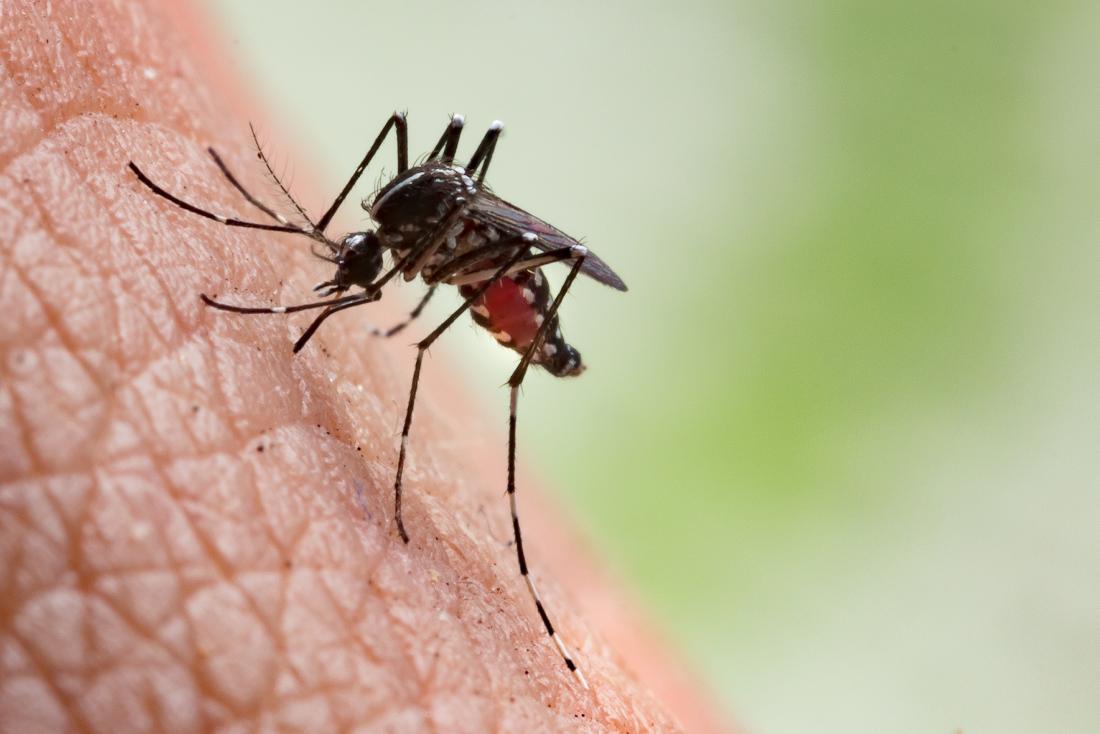
Mosquito bites are often dismissed as a minor problem that causes itching, redness, or swelling. However, certain mosquitoes can transmit serious infections that may lead to fever, weakness, and even anemia. One important example is malaria, a disease caused by parasites transmitted through the bites of infected female Anopheles mosquitoes.
Anemia occurs when the body has too few healthy red blood cells or insufficient hemoglobin to carry oxygen effectively to its tissues. In malaria, the infection can damage red blood cells and contribute to anemia, sometimes making the illness particularly dangerous for vulnerable people.
However, not every mosquito bite causes malaria or anemia. The risk depends on whether the mosquito carries an infection-causing organism, the type of disease transmitted, and the person’s overall health.
World Health Organization
+1
Here are seven important facts about mosquito-borne infections, anemia, and the people who need to be especially careful.
1. How Can a Mosquito Bite Lead to Anemia?
Anemia can develop when an infection affects the body’s red blood cells or interferes with their production. In malaria, parasites enter the bloodstream and infect red blood cells, causing them to break down. The infection can also affect the body’s ability to maintain a healthy supply of these cells.
If the infection becomes severe or continues without appropriate treatment, the resulting anemia can cause significant weakness and other complications. This is why early diagnosis and treatment of suspected malaria are important.
World Health Organization
+1
2. Why Is Malaria More Dangerous Than an Ordinary Mosquito Bite?
Not all mosquitoes carry disease-causing organisms. However, an infected female Anopheles mosquito can transmit malaria parasites when it bites a person.
Early symptoms may include fever, chills, headache, body aches, and tiredness. These symptoms can resemble other common illnesses, so it is important not to assume that every fever is malaria—or dismiss a persistent fever as an ordinary viral infection.
Malaria can become life-threatening if diagnosis and treatment are delayed. If you develop a fever after possible exposure in a malaria-risk area, seek medical assessment promptly.
World Health Organization
+1
3. Who Is at Greater Risk of Malaria-Related Anemia?
Certain groups are more vulnerable to severe malaria and its complications.
- Young children: Children under five are particularly vulnerable to severe malaria, including severe anemia.
- Pregnant women: Pregnancy can increase susceptibility to malaria and the risk of complications affecting both the mother and baby.
- People with weakened immune systems: Certain conditions, including HIV/AIDS, can increase the risk of severe malaria.
- People living in malaria-endemic areas: Repeated exposure to infected mosquitoes increases the opportunity for infection, particularly where access to diagnosis and treatment is limited.
- People with existing anemia or poor nutritional status: They may have less reserve to cope with an additional reduction in red blood cells, although the degree of risk depends on the underlying cause and severity of their condition.
World Health Organization+3
4. What Are the Warning Signs of Anemia?
Anemia can develop for many reasons, including iron deficiency, heavy menstrual bleeding, nutritional deficiencies, and certain infections. Its symptoms may be subtle at first.
Watch for these common warning signs:
- Persistent tiredness or unusual weakness.
- Pale skin or paleness inside the lower eyelids.
- Dizziness or light-headedness.
- Breathlessness during ordinary activities.
- Headaches or difficulty concentrating.
- A rapid heartbeat, particularly during physical activity.
These symptoms do not confirm anemia on their own. A healthcare professional may recommend a complete blood count (CBC) and other tests to determine whether anemia is present and identify its cause.
World Health Organization
+1
5. Can Other Mosquito-Borne Diseases Cause Anemia Too?
Different mosquito-borne infections affect the body in different ways. Malaria is a well-established cause of anemia because the parasites infect red blood cells.
Dengue, chikungunya, and other mosquito-borne illnesses can cause fever and significant weakness, but they do not all cause anemia through the same mechanism. Dengue, for example, is particularly associated with low platelet counts and, in severe cases, bleeding and plasma leakage.
Therefore, the exact infection matters. A blood test and medical evaluation may be needed to distinguish malaria from other causes of fever.
CDC
+1
6. How Can You Reduce the Risk of Mosquito-Borne Infections?
Preventing mosquito bites is an important way to reduce the risk of mosquito-borne diseases.
- Use an appropriate mosquito repellent according to its label.
- Wear long-sleeved clothing and full-length trousers when practical.
- Use window screens and mosquito nets, especially while sleeping.
- Remove standing water from coolers, containers, flowerpots, and other places where mosquitoes can breed.
- Keep water-storage containers covered and follow local mosquito-control guidance.
- Seek prompt medical care if you develop a fever or other concerning symptoms after possible exposure.
These measures help reduce exposure, but they cannot eliminate every risk. Prevention is especially important for young children, pregnant women, and people with weakened immunity.
CDC
+1
7. Can a Healthy Diet Prevent Mosquito-Related Anemia?
A balanced diet supports the body’s normal production of red blood cells, but it cannot prevent or cure malaria by itself.
Include iron-containing foods such as lentils, beans, leafy green vegetables, and other suitable iron-rich foods. Vitamin C-rich fruits and vegetables can help the body absorb iron from plant-based foods. Adequate folate and vitamin B12 are also important for red blood cell production.
However, anemia caused by malaria requires appropriate treatment of the infection. Iron supplements should not be taken automatically for every type of anemia; a healthcare professional can determine whether iron deficiency is present and recommend the appropriate treatment.
World Health Organization
+1
Final Takeaway
Mosquito bites can sometimes lead to serious health problems, including malaria-related anemia, but this happens only when a disease-causing infection is transmitted. Anemia is not a routine consequence of an ordinary mosquito bite.
Young children, pregnant women, and people with weakened immunity are particularly vulnerable to severe malaria. Recognizing warning signs, preventing mosquito bites, and obtaining timely medical care can help reduce the risk of complications.
Remember: Do not ignore persistent fever, unusual weakness, dizziness, or breathing difficulties. Seek medical advice promptly, and get emergency care for severe breathlessness, confusion, fainting, or other signs of serious illness.

