



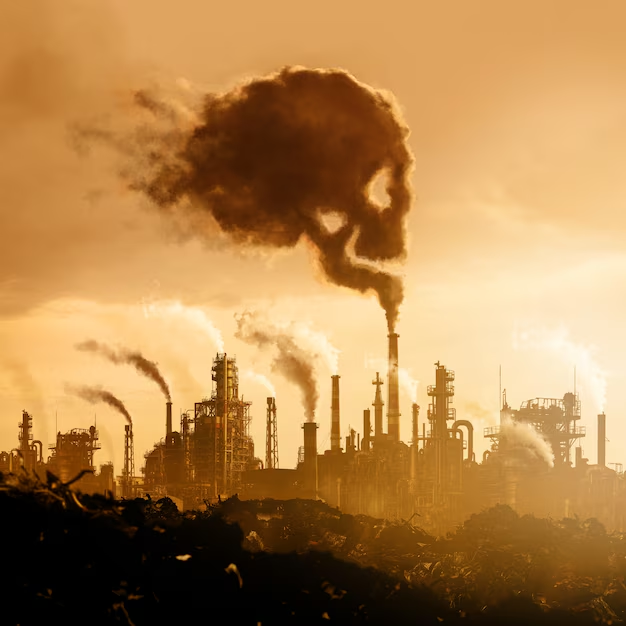
Air pollution is not just harmful to the environment; it can seriously affect your lungs and respiratory system. When we breathe polluted air, tiny harmful particles, dust, smoke and toxic gases enter our airways. Over time, they can cause irritation, inflammation and even damage to lung tissues.
The most concerning part is that lung damage may develop gradually, and symptoms are not always noticeable in the beginning.
1. Common Signs That Air Pollution Is Affecting Your Lungs
1. Persistent Cough
- Frequent coughing, especially when going outdoors.
- Dry cough or cough with mucus.
- Coughing that becomes worse in the morning or at night.
2. Shortness of Breath
- Feeling breathless even after light physical activity.
- Difficulty breathing deeply.
- Getting tired quickly while walking or climbing stairs.
3. Wheezing
- A whistling sound while breathing.
- Tightness in the chest.
- Difficulty breathing, particularly while exhaling.
4. Chest Discomfort
- Feeling heaviness or tightness in the chest.
- Irritation or discomfort while taking deep breaths.
- Chest symptoms that worsen in highly polluted areas.
5. Frequent Respiratory Infections
- Repeated episodes of bronchitis or respiratory infections.
- Increased throat and airway irritation.
- Cough and cold symptoms that take longer to settle.
6. Reduced Stamina
- Feeling exhausted after routine activities.
- Reduced exercise capacity.
- Getting breathless more quickly than before.
7. Irritation in the Nose and Throat
- Frequent sneezing.
- Runny or blocked nose.
- Sore throat and irritation due to polluted air.
2. How Does Air Pollution Damage Your Lungs?
Air pollutants contain tiny particles called PM2.5 and PM10.
- PM10 particles can enter the respiratory tract.
- PM2.5 particles are small enough to travel deep into the lungs.
- These particles can trigger inflammation and oxidative stress.
- Long-term exposure can increase the risk of asthma, COPD, reduced lung function and lung cancer.
3. Who Is More at Risk?
- Children and teenagers.
- Older adults.
- People with asthma or existing lung diseases.
- People who work outdoors.
- People living near busy roads and industrial areas.
4. How Can You Protect Your Lungs?
- Wear a well-fitting N95 or equivalent respirator when pollution levels are high.
- Avoid outdoor exercise during severe pollution.
- Keep windows closed when outdoor air quality is poor.
- Use a HEPA air purifier indoors if possible.
- Avoid smoking and exposure to second-hand smoke.
- Drink enough water and maintain a balanced diet.
- Check the daily Air Quality Index (AQI).
5. How Do You Know If Your Lungs Are Actually Damaged?
Symptoms alone cannot confirm lung damage. A doctor may recommend:
- Spirometry: Measures how well your lungs work.
- Pulse oximetry: Checks blood oxygen levels.
- Chest X-ray: Helps identify certain lung abnormalities.
- CT scan: May be recommended when more detailed examination is necessary.
Important
Seek urgent medical attention if you experience severe breathlessness, significant chest pain, blue lips or confusion. Persistent coughing or new breathing difficulties also deserve medical evaluation.
6. Can Your Lungs Recover From Pollution Exposure?
Yes, some pollution-related irritation and inflammation can improve when exposure decreases. However, long-term damage, such as established COPD or lung scarring, may not be completely reversible.
Reducing exposure early is one of the most effective ways to protect long-term lung health.
Keywords
Air Pollution, Lung Health, Respiratory Problems, PM2.5, PM10, AQI, Lung Damage, Breathing Problems, Asthma, COPD, Air Quality, Respiratory Health, Pollution Prevention, Healthy Lungs.

