



Dementia is a condition that affects memory, thinking, and daily functioning. While aging is a major risk factor, research suggests that deficiencies in certain vitamins may also contribute to cognitive decline and increase the risk of dementia over time.
1. Vitamin B12
Vitamin B12 is essential for healthy nerve cells and brain function. A deficiency can lead to memory problems, confusion, difficulty concentrating, and mood changes. Older adults are particularly at risk because the body’s ability to absorb B12 decreases with age.
Sources: Eggs, fish, meat, dairy products, and fortified cereals.
2. Vitamin D
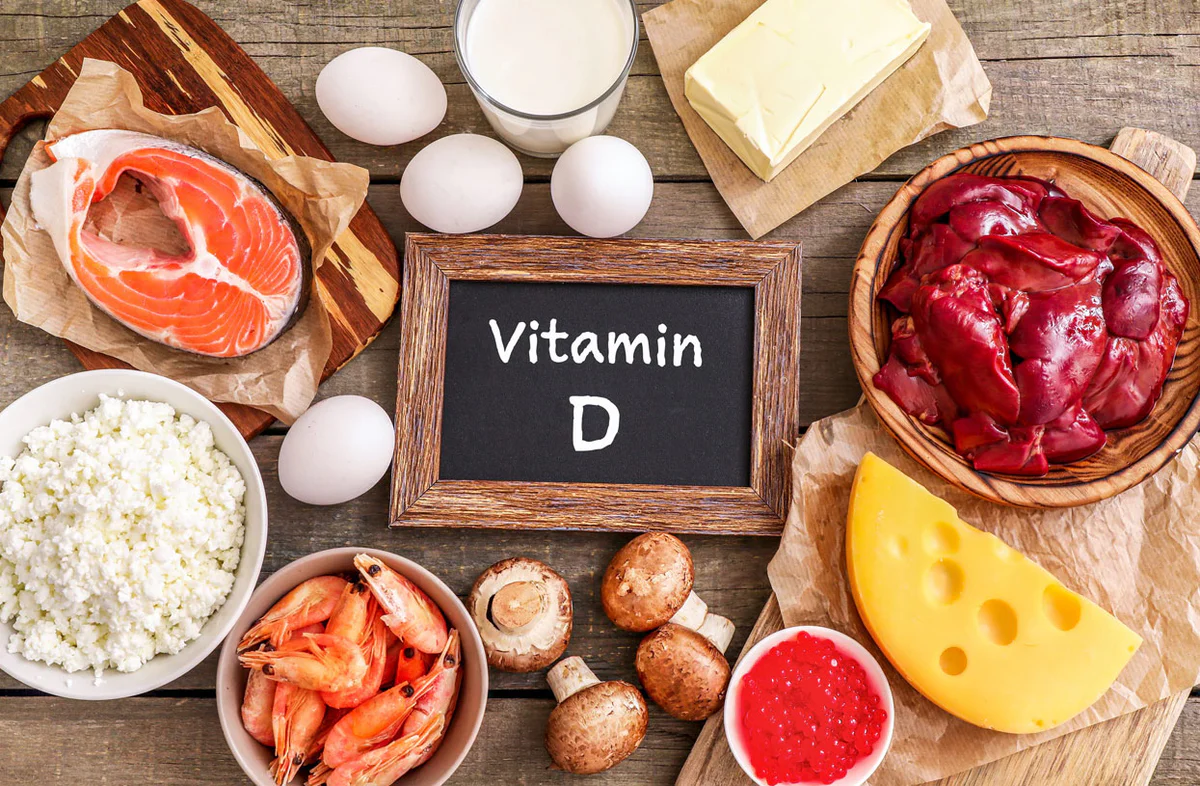
Often called the “sunshine vitamin,” Vitamin D plays an important role in brain health. Low levels have been linked to impaired cognitive function and a higher risk of dementia in some studies.
Sources: Sunlight exposure, fatty fish, egg yolks, and fortified foods.
3. Vitamin B9 (Folate)
Folate helps produce healthy red blood cells and supports proper brain function. Low folate levels may contribute to memory issues and cognitive decline.
Sources: Leafy green vegetables, beans, lentils, citrus fruits, and fortified grains.
4. Vitamin B6
Vitamin B6 helps the brain produce neurotransmitters that regulate mood and cognitive function. A deficiency may affect memory, concentration, and overall brain health.
Sources: Chicken, fish, potatoes, bananas, and chickpeas.
Warning Signs of Vitamin Deficiency
- Forgetfulness and memory lapses
- Difficulty concentrating
- Fatigue and weakness
- Mood changes or depression
- Confusion or brain fog
How to Protect Your Brain
- Eat a balanced diet rich in fruits, vegetables, whole grains, and protein.
- Spend time outdoors for natural Vitamin D.
- Stay physically active.
- Get regular health checkups and blood tests if you are at risk of deficiencies.
- Consult a healthcare professional before taking supplements.

