



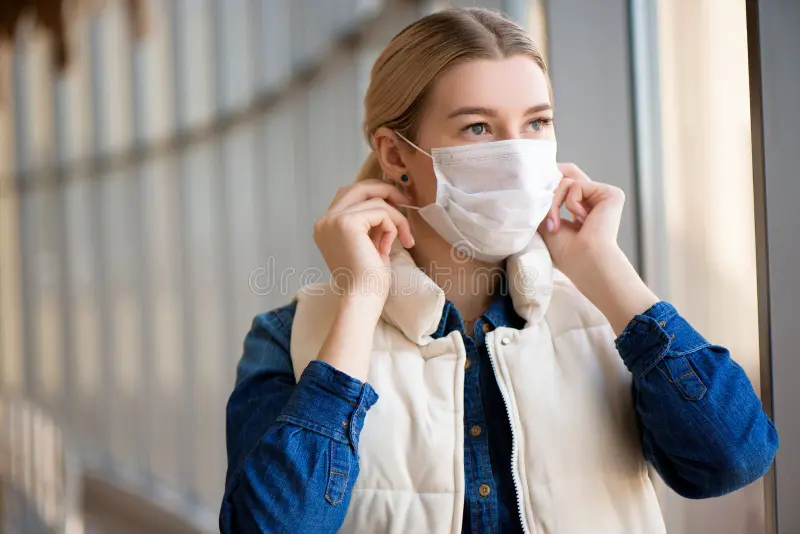
The festive celebrations of Diwali may be over, but the health risks associated with air pollution continue to rise. After Diwali, several parts of the country experience a significant deterioration in air quality due to firecracker emissions, vehicular pollution, construction dust and changing weather conditions. These pollutants mix with the air and form a layer of toxic smog, making it difficult to breathe, particularly in densely populated urban areas.
Exposure to polluted air can irritate the eyes, nose and throat and may trigger coughing, wheezing, breathing difficulties and other respiratory problems. Prolonged exposure to harmful pollutants can also increase the risk of serious health complications, particularly among children, older adults, pregnant women and people suffering from asthma, allergies or existing heart and lung conditions.
As pollution levels increase after Diwali, taking preventive measures becomes extremely important. Here are seven essential precautions that can help reduce your exposure to toxic smog and protect your health.
1. Wear an N95 Mask Whenever You Step Outdoors
One of the simplest ways to reduce exposure to air pollution is to wear a properly fitted N95 mask. These masks are designed to filter out a high percentage of harmful fine particles, including PM2.5, which can penetrate deep into the lungs. Ordinary cloth masks and loosely tied handkerchiefs do not provide reliable protection against fine particulate pollution. Make sure your mask fits properly around your nose and mouth, especially when travelling through heavily polluted areas.
2. Avoid Morning Walks and Outdoor Physical Activities
Although morning walks and outdoor exercise are generally considered beneficial for health, exercising in heavily polluted air can increase the amount of pollutants entering your lungs. During periods of poor air quality, avoid jogging, cycling, running and strenuous outdoor activities. Check the local Air Quality Index (AQI) before planning outdoor activities. If pollution levels are high, shift your workout indoors to a well-ventilated space with clean air.
3. Keep Your Indoor Environment Clean and Protected
Polluted outdoor air can enter your home through open windows, doors and ventilation systems. During periods of heavy smog, keep windows and doors closed, particularly when outdoor pollution levels are at their peak. Avoid burning incense sticks, mosquito coils and other materials that produce smoke indoors. Regularly clean floors using a wet mop instead of dry sweeping, as this helps prevent dust and fine particles from becoming airborne.
4. Consider Using an Air Purifier with a HEPA Filter
An air purifier equipped with a High-Efficiency Particulate Air (HEPA) filter can help reduce indoor concentrations of fine airborne particles. Choose a purifier suitable for the size of your room and maintain or replace its filters according to the manufacturer’s instructions. Keep doors and windows closed while using the purifier for better results. However, remember that an air purifier is an additional protective measure and cannot completely eliminate exposure to pollution.
5. Stay Hydrated and Maintain a Healthy Diet
Drinking adequate water throughout the day helps maintain normal body functions and prevents dehydration. Warm fluids may provide temporary comfort if you experience throat irritation. Include fresh fruits, vegetables and foods rich in vitamins and antioxidants as part of a balanced diet. While healthy eating supports overall health, no particular food or drink can detoxify the lungs or completely protect the body from harmful air pollutants.
6. Take Special Care of Children, Older Adults and People with Existing Health Conditions
Children’s lungs are still developing, while older adults and people with asthma, COPD, heart disease or other respiratory conditions may be more vulnerable to air pollution. Avoid taking children to crowded and highly polluted outdoor areas. People with existing respiratory conditions should follow their prescribed medication and treatment plans and avoid unnecessary exposure to smog. Keep prescribed inhalers and medicines accessible when required.
7. Recognise Early Symptoms and Seek Medical Attention
Do not ignore symptoms that may develop due to exposure to polluted air. Persistent coughing, wheezing, shortness of breath, chest tightness, throat irritation and burning or watery eyes can indicate that pollution is affecting your health. If these symptoms persist or worsen, consult a healthcare professional. Seek immediate medical attention if you experience severe breathing difficulty, significant chest pain or other serious symptoms. Early medical attention can help prevent complications.
Conclusion
Air pollution after Diwali is not just an environmental concern; it is also a serious public health challenge. Although individuals cannot control every source of pollution, they can take practical steps to minimise their exposure. Wearing appropriate masks, checking AQI levels, avoiding outdoor activities during periods of heavy pollution and maintaining clean indoor air can help protect respiratory health. Staying alert and taking preventive action is essential to keeping yourself and your family safe from the harmful effects of toxic smog.

