



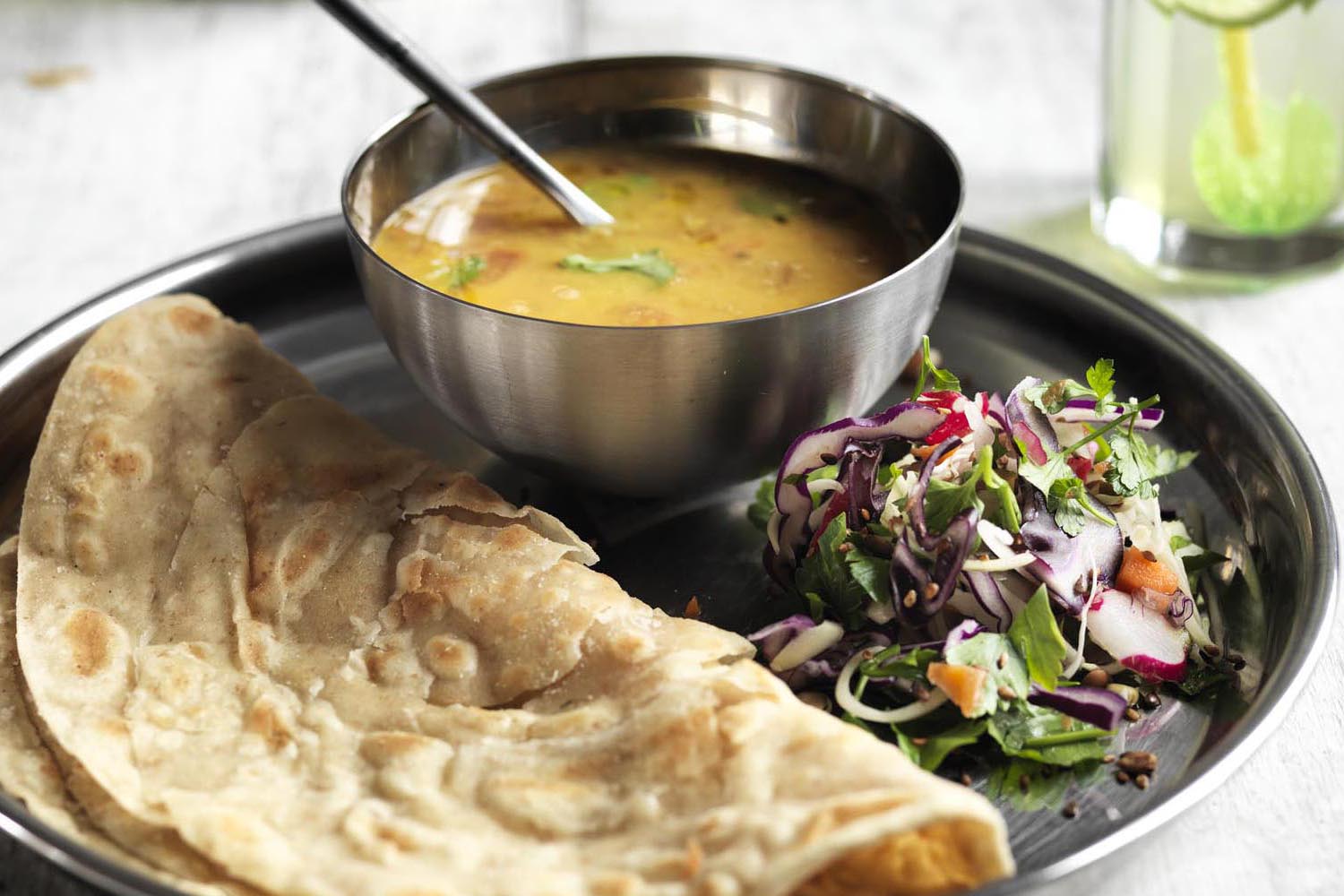
As people grow older, their nutritional needs change. While lentils and flatbread are common staples in many Indian households, relying on them alone may not provide all the nutrients required to maintain strength, support immunity and protect overall health. A balanced diet containing adequate protein, vitamins, minerals, healthy fats and fibre is especially important for older adults.
Here are the essential nutrients that should be included in the diets of elderly people.
1. Protein to Maintain Muscle Strength
Ageing is often associated with a gradual loss of muscle mass and strength. Protein helps maintain muscles, supports tissue repair and contributes to recovery from illness.
Foods to include: Milk, curd, paneer, eggs, lentils, beans, chickpeas, soybeans and tofu.
Older adults should include a source of protein in their main meals, with individual needs adjusted for their health and kidney function.
2. Calcium for Strong Bones and Teeth
Calcium is essential for maintaining bone strength and reducing the risk of osteoporosis and fractures. As people age, protecting bone health becomes increasingly important.
Foods to include: Milk, curd, paneer, calcium-fortified foods, ragi and suitable calcium-rich leafy greens.
Vitamin D is also necessary because it helps the body absorb calcium.
3. Vitamin D for Bone and Muscle Health
Vitamin D supports calcium absorption, bone health and normal muscle function. Older adults may be at greater risk of deficiency, particularly if they spend limited time outdoors.
Sources: Safe sunlight exposure, eggs, oily fish and vitamin D-fortified foods.
A healthcare professional may recommend a supplement if a deficiency is identified or supplementation is otherwise appropriate.
4. Vitamin B12 for Nerves and Red Blood Cells
Vitamin B12 helps maintain healthy nerve function and red blood cell production. Some older adults absorb this vitamin less efficiently, increasing their risk of deficiency.
Foods to include: Milk, curd, eggs, fish, meat and B12-fortified foods.
People following a strictly vegetarian diet may need fortified foods or a supplement after consulting a healthcare professional.
5. Iron to Help Prevent Anaemia
Iron helps produce haemoglobin, which carries oxygen throughout the body. Iron deficiency can cause fatigue, weakness and breathlessness, although these symptoms may have other causes in older adults.
Foods to include: Lentils, beans, chickpeas, leafy greens, sesame seeds and meat, if consumed. Pair plant-based iron sources with vitamin C-rich foods such as lemon, guava or amla to improve iron absorption.
Unexplained anaemia in older adults should be medically evaluated rather than treated with iron supplements without advice.
6. Healthy Fats for Brain and Heart Health
Healthy fats provide energy and help the body absorb fat-soluble vitamins. Omega-3 fatty acids are also important components of cell membranes and support normal cardiovascular function.
Foods to include: Walnuts, flaxseeds, chia seeds, unsalted nuts and oily fish.
Use oils in moderation and limit excessive saturated fats and trans fats.
7. Fibre for Better Digestion
Constipation can become more common with age because of changes in activity, fluid intake, medications and bowel function. Fibre helps support regular bowel movements.
Foods to include: Whole-wheat roti, oats, vegetables, fruits, beans and whole grains.
Increase fibre gradually and drink adequate fluids, unless a doctor has advised fluid restriction.
8. Vitamin C for Immunity and Tissue Repair
Vitamin C supports normal immune function, collagen production and wound healing. It also improves the absorption of iron from plant-based foods.
Foods to include: Amla, guava, oranges, lemons, tomatoes and capsicum.
Fresh fruits and vegetables can help older adults obtain vitamin C as part of a varied diet.
9. Vitamin B6 and Folate for Overall Health
Vitamin B6 supports protein metabolism and nervous system function, while folate is necessary for DNA production and healthy red blood cells.
Foods to include: Green leafy vegetables, chickpeas, bananas, potatoes, beans and fortified grains.
A varied diet can help provide these vitamins, which are important for maintaining normal body functions.
10. Adequate Fluids to Prevent Dehydration
Older adults may experience a reduced sense of thirst, making it easier to become dehydrated. Dehydration can contribute to dizziness, constipation and confusion.
What to do: Offer water regularly throughout the day, along with suitable soups, milk and other fluids. People with heart or kidney conditions may need individual fluid guidance from their doctor.
What Should an Elderly Person’s Daily Diet Include?
A balanced daily meal plan may include:
- Breakfast: Vegetable poha, oats or eggs with milk or curd.
- Lunch: Roti, dal, cooked vegetables, curd and a source of protein.
- Evening snack: Fruit, unsalted nuts or roasted chickpeas.
- Dinner: Soft roti or rice, vegetables and dal, paneer, tofu or another protein source.
Food texture, appetite, chewing ability, diabetes, kidney function and other medical conditions should be considered when planning meals.
Final Takeaway
Lentils and flatbread can be valuable parts of an elderly person’s diet, but they should be complemented with vegetables, fruits, dairy or suitable alternatives, protein-rich foods, healthy fats and adequate fluids. A varied, nutrient-rich diet can help older adults maintain strength, bone health, digestion and overall well-being.
If an elderly person has unexplained weight loss, persistent weakness, poor appetite or difficulty eating, consult a healthcare professional for an individual nutritional assessment.

