



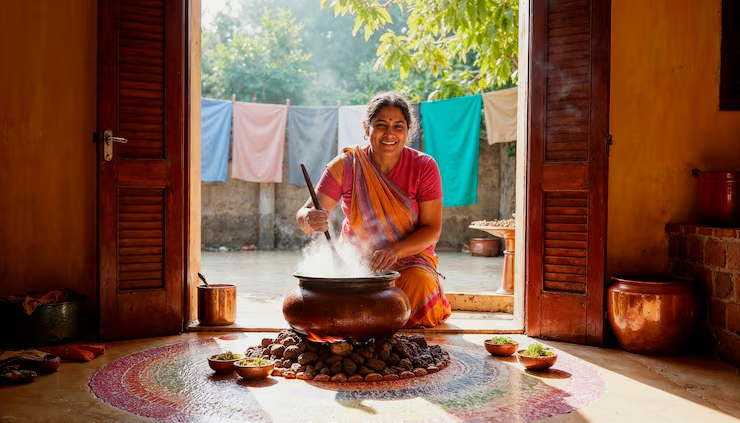
Cooking is a daily activity in millions of Indian households, but did you know that the smoke produced while heating cooking oil may affect lung health? Cigarettes and tobacco are well-known causes of lung cancer, but prolonged exposure to certain cooking fumes may also contribute to respiratory problems and, potentially, lung cancer.
Here is everything you need to know about cooking oil fumes, why women may face greater exposure, and how to protect your lungs.
1. How do cooking oil fumes form?
When cooking oil is heated to a very high temperature, particularly when it starts smoking, it can release a mixture of tiny airborne particles, irritating chemicals and other compounds. These emissions can increase during deep-frying, repeated heating of oil and high-temperature cooking.
Some of these particles are small enough to travel deep into the lungs. Regular exposure may irritate the respiratory tract and contribute to inflammation.
Example: If you repeatedly heat oil until it produces visible smoke while frying puris, pakoras or other foods, you may be exposed to more cooking fumes.
2. How can cooking oil fumes increase lung cancer risk?
Research has linked long-term exposure to cooking fumes with an increased risk of lung cancer in some populations, particularly in studies involving frequent high-temperature cooking and poorly ventilated kitchens.
The possible explanation is that cooking fumes contain fine particles and potentially harmful chemicals that can damage cells and contribute to oxidative stress and inflammation. Certain compounds produced during high-temperature cooking may also have carcinogenic properties.
However, it is important to understand that cooking oil fumes do not automatically cause lung cancer. The level of risk depends on factors such as the type of cooking, temperature, duration of exposure, ventilation and other exposures, including tobacco smoke and outdoor air pollution.
3. Why may women be at greater risk?
In many households, women spend more time preparing meals and may therefore have greater exposure to cooking fumes, especially when cooking takes place in enclosed kitchens without adequate ventilation.
This is particularly relevant for women who regularly prepare food using high-temperature frying, burning fuels or traditional stoves that generate substantial smoke.
Some studies, particularly those conducted in populations with high household cooking-fume exposure, have reported associations between cooking practices and lung cancer in women who have never smoked.
However, this does not mean that all women who cook are at high risk. Exposure varies significantly between households, and lung cancer can affect both women and men.
4. What symptoms should you watch for?
Cooking fumes can cause eye, nose and throat irritation, coughing and breathing discomfort. These symptoms do not necessarily indicate lung cancer.
Possible warning signs of lung cancer include:
- A persistent cough that does not improve or becomes worse.
- Coughing up blood, even in small amounts.
- Unexplained weight loss or loss of appetite.
- Persistent chest pain, particularly when breathing or coughing.
- Breathlessness that is new or worsening.
- Repeated chest infections or unusual, persistent fatigue.
Important: These symptoms can have many causes, but they should not be ignored. Seek prompt medical evaluation for persistent symptoms, and urgent care for significant breathing difficulty or coughing up blood.
5. How does poor kitchen ventilation affect lung health?
When cooking fumes cannot escape, particles and gases may accumulate in indoor air. Repeatedly breathing this polluted air can irritate the lungs and worsen conditions such as asthma.
A kitchen without an effective exhaust system may expose the cook to higher concentrations of fumes, particularly during frying or other smoke-producing cooking methods.
To improve ventilation:
- Use a kitchen chimney or exhaust fan that vents outdoors.
- Open windows or doors when safe to improve airflow.
- Avoid standing directly over rising cooking smoke.
- Maintain and clean ventilation equipment according to the manufacturer’s instructions.
A recirculating hood that only filters and returns air to the kitchen may not remove all gaseous pollutants as effectively as an outdoor-vented system.
6. What cooking habits can help reduce exposure?
You do not need to stop cooking with oil. Instead, focus on reducing smoke and improving the quality of indoor air.
Follow these simple precautions:
- Avoid heating oil until it begins to smoke.
- Choose cooking methods such as steaming, boiling or simmering more often.
- Avoid repeatedly reheating or reusing heavily degraded oil.
- Use an appropriate oil for the cooking temperature and method.
- Turn on the exhaust fan or chimney before cooking begins.
- Keep the kitchen ventilated during and after cooking.
- Never leave oil unattended on a hot stove, as overheated oil can ignite.
These measures can reduce exposure to cooking emissions, although they cannot eliminate every possible health risk.
7. How can women protect themselves from lung cancer?
Protecting lung health involves reducing exposure to multiple risk factors, not just cooking fumes.
- Avoid tobacco: Smoking is a major cause of lung cancer, and secondhand smoke is also harmful.
- Reduce indoor pollution: Use effective kitchen ventilation and cleaner cooking fuels where possible.
- Limit prolonged smoke exposure: Avoid unnecessary exposure to fumes from high-temperature cooking.
- Address other exposures: Radon, occupational carcinogens and outdoor air pollution can also contribute to lung cancer risk.
- Seek medical advice: Persistent respiratory symptoms need evaluation. Lung cancer screening is generally recommended only for people who meet specific risk-based criteria, not for everyone who cooks regularly.
There is no need to panic if you cook every day. The goal is to reduce repeated exposure to smoke and improve kitchen ventilation.
Final takeaway
Cooking oil fumes are an often-overlooked source of indoor air pollution. Long-term exposure to some cooking emissions has been associated with lung cancer in certain studies, but the exact risk varies and is not the same for everyone. Good ventilation, avoiding overheated oil and reducing smoke-producing cooking practices are sensible steps to protect respiratory health.
Remember: Cooking itself is not the problem; prolonged exposure to poorly ventilated cooking fumes is the concern.

