



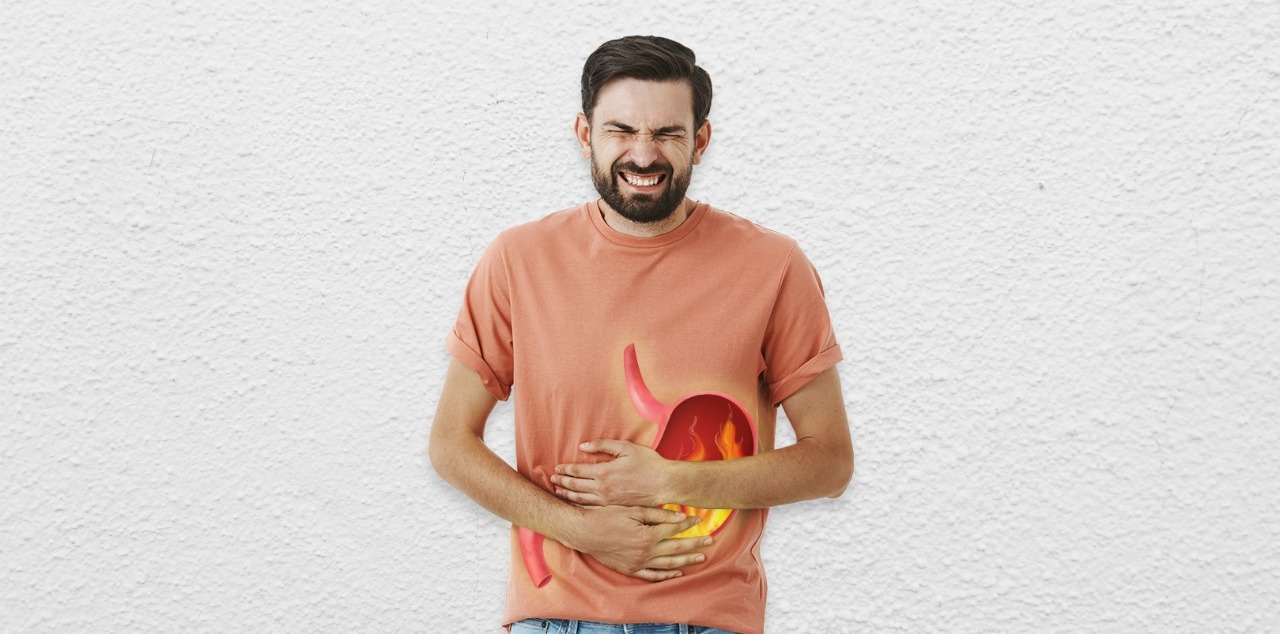
Festive celebrations often involve rich meals, fried snacks, sweets, carbonated drinks and irregular eating schedules. While enjoying festive food is normal, overeating and unhealthy eating habits can leave many people struggling with digestive problems such as gas, acidity, bloating, heartburn and indigestion.
After several days of heavy eating, your digestive system may experience discomfort, particularly if you have consumed large portions, eaten late at night or reduced your usual physical activity. Acidity occurs when stomach acid flows back into the food pipe, causing a burning sensation in the chest or throat. Gas and bloating may develop when excess gas accumulates in the digestive tract.
Although these problems are often temporary, repeatedly making certain dietary and lifestyle mistakes can worsen digestive discomfort. Here are eight common mistakes you should avoid to maintain better digestive health after the festivities.
1. Avoid Overeating and Consuming Large Meals
One of the most common mistakes during festivals is eating more than your body needs. Large meals can increase pressure inside the stomach and trigger acid reflux, bloating and indigestion. Instead of consuming heavy portions at once, eat smaller, balanced meals and give your digestive system enough time to process food.
2. Do Not Lie Down Immediately After Eating
Lying down immediately after a meal can make it easier for stomach acid to flow back into the food pipe, leading to heartburn and acidity. Maintain an upright position after eating and avoid going to bed for at least 2–3 hours after a meal, particularly if you experience acid reflux.
3. Avoid Excessive Consumption of Fried and Oily Foods
Festive snacks such as samosas, pakoras, puris and other deep-fried foods are often high in fat. Fatty meals can delay stomach emptying and worsen symptoms of indigestion and acid reflux in some individuals. Reduce your intake of deep-fried foods and choose lighter cooking methods such as steaming, grilling or boiling.
4. Limit Carbonated Drinks and Excessive Caffeine
Soft drinks and other carbonated beverages can increase belching and bloating. Excessive tea and coffee consumption may also trigger acidity symptoms in some people. Instead, drink adequate water throughout the day and identify beverages that worsen your symptoms.
5. Do Not Skip Meals After Overeating
Some people try to compensate for festive overeating by skipping their next meal. However, irregular eating patterns may lead to excessive hunger and overeating later. Follow regular meal timings and choose light, nutritious foods rather than starving yourself.
6. Avoid Excessive Consumption of Sweets
Festive sweets, desserts and sugary foods can contribute to digestive discomfort, particularly when consumed in large quantities. Some people may also experience gas and bloating after eating foods containing certain sugars or dairy ingredients. Limit excessive sweets and include fresh fruits and balanced meals in your diet.
7. Do Not Ignore Physical Activity
Reduced physical activity after festive celebrations can contribute to sluggish bowel movements and constipation. A sedentary routine may also worsen feelings of bloating. Try taking a gentle 10–15-minute walk after meals and maintain regular physical activity throughout the day. Avoid intense exercise immediately after eating.
8. Avoid Taking Digestive Medicines Without Proper Guidance
Many people depend on antacids, digestive powders and other over-the-counter products whenever they experience gas or acidity. Although some medicines can provide temporary relief, repeatedly using them without understanding the cause may delay proper diagnosis. Avoid self-medicating regularly and consult a healthcare professional if symptoms persist or frequently return.
Additional Tips to Improve Digestion After Festivities
- Stay Hydrated: Drink sufficient water throughout the day to support normal digestion.
- Include Fibre-Rich Foods: Add vegetables, fruits, whole grains and pulses to your daily meals.
- Eat Slowly: Chew food properly and avoid eating too quickly, as swallowing excess air can contribute to gas.
- Maintain Regular Sleep: Follow a consistent sleeping schedule and avoid heavy meals close to bedtime.
- Identify Trigger Foods: Notice whether spicy foods, dairy products, caffeine or particular meals worsen your symptoms.
When Should You Consult a Doctor?
Occasional gas and acidity may improve with dietary and lifestyle changes. However, frequent heartburn, persistent abdominal pain, difficulty swallowing, repeated vomiting or unexplained weight loss should not be ignored. Seek medical advice if these symptoms occur. Severe chest pain, particularly with sweating or breathlessness, requires immediate emergency medical attention.
Conclusion
Digestive discomfort after festive celebrations is often linked to overeating, excessive consumption of fried foods, irregular meal timings and reduced physical activity. Avoiding these common mistakes and returning to a balanced daily routine can help improve digestive comfort. Eat mindfully, stay hydrated, remain physically active and avoid depending on digestive medicines without medical advice. A few simple changes can help you maintain better gut health even after the festive season.

