



Introduction
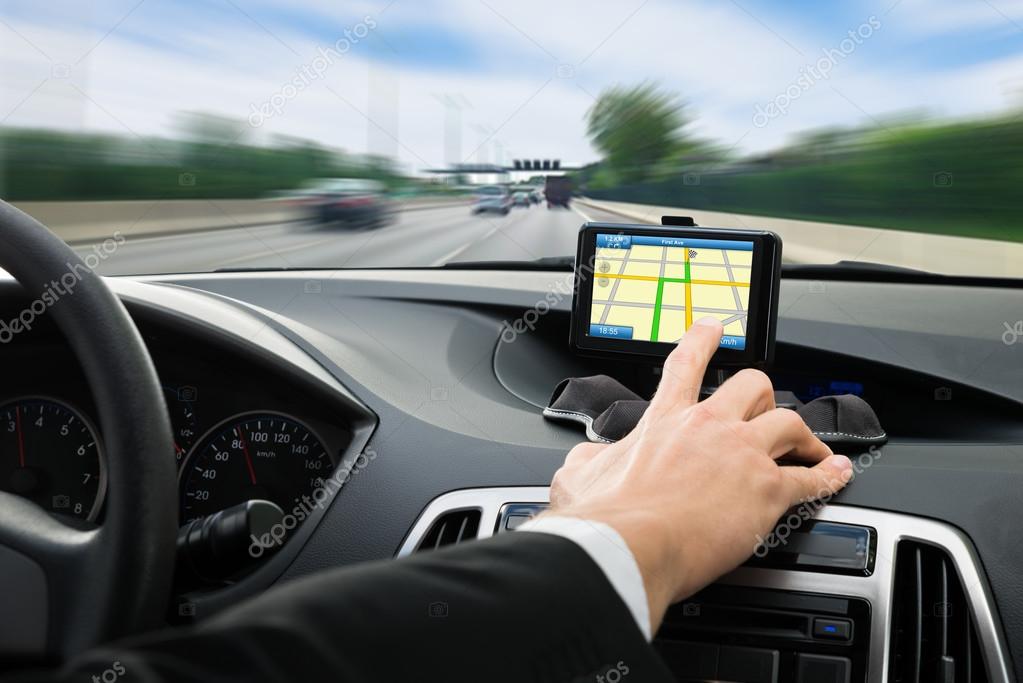
Many of us instinctively open Google Maps or another GPS app before starting even a familiar journey. GPS technology is incredibly convenient, but research suggests that relying on it all the time may reduce our ability to navigate independently. Learning to find your own way first can strengthen your brain and improve your understanding of your surroundings.
Why Do We Depend on GPS?
GPS has become a daily habit because it:
- Saves time.
- Finds the fastest routes.
- Avoids traffic.
- Reduces stress in unfamiliar places.
- Provides turn-by-turn guidance.
While these are real benefits, constant dependence can make us less attentive to the environment around us.
What Science Says
Studies in neuroscience suggest that active navigation engages important brain regions, particularly the hippocampus, which is involved in:
- Memory formation
- Spatial awareness
- Learning new environments
When you actively decide which streets to take and pay attention to landmarks, your brain builds a mental map. In contrast, simply following GPS instructions shifts much of the navigation task to the device.
Researchers have found that active navigation generally requires more engagement from the brain than passive turn-by-turn guidance.
Benefits of Finding the Route Yourself
1. Improves Memory
Remembering streets, landmarks, and directions exercises your memory and helps you retain information about places.
2. Builds Better Spatial Skills
You become better at judging distances, directions, and understanding how different locations connect.
3. Increases Observation
Without constant GPS prompts, you’re more likely to notice:
- Buildings
- Parks
- Landmarks
- Street names
- Traffic patterns
4. Boosts Confidence
Successfully reaching your destination without depending entirely on technology builds confidence in your navigation abilities.
5. Keeps Your Brain Active
Navigation is a form of mental exercise that challenges problem-solving, planning, and decision-making.
Does This Mean GPS Is Bad?
Not at all.
GPS is extremely useful when:
- Traveling in unfamiliar cities.
- Driving long distances.
- Avoiding road closures or heavy traffic.
- Finding emergency services.
- Saving time when you’re in a hurry.
The key is to use GPS as a helpful tool rather than relying on it automatically for every trip.
A Smarter Way to Use GPS
Try this simple approach:
- Look at the entire route before you leave.
- Memorize the main roads and important turns.
- Begin the journey using your memory.
- Use GPS only if you become uncertain or encounter unexpected changes.
This combines convenience with active learning.
Think About It
Imagine two people visiting the same city.
- Person A follows GPS for every turn and arrives successfully but remembers very little about the route.
- Person B studies the map beforehand, notices landmarks, and occasionally checks GPS when needed. After a few trips, they can navigate confidently without assistance.
Both reached the destination, but Person B also developed a stronger mental map of the area.
Technology makes travel easier, but allowing your brain to participate in navigation can improve memory, awareness, and confidence.
Key Takeaways
- GPS is an excellent navigation tool.
- Active navigation strengthens memory and spatial skills.
- The hippocampus is heavily involved in building mental maps.
- Observing landmarks improves long-term navigation ability.
- Using GPS as a backup rather than your only guide helps keep your navigation skills sharp.
Conclusion
GPS has transformed the way we travel, making navigation faster and more convenient than ever. However, science suggests that occasionally challenging yourself to find the route on your own helps exercise the brain, improves memory, and builds a better understanding of your surroundings. The best approach is balance: enjoy the convenience of GPS while giving yourself opportunities to navigate independently whenever practical.

