



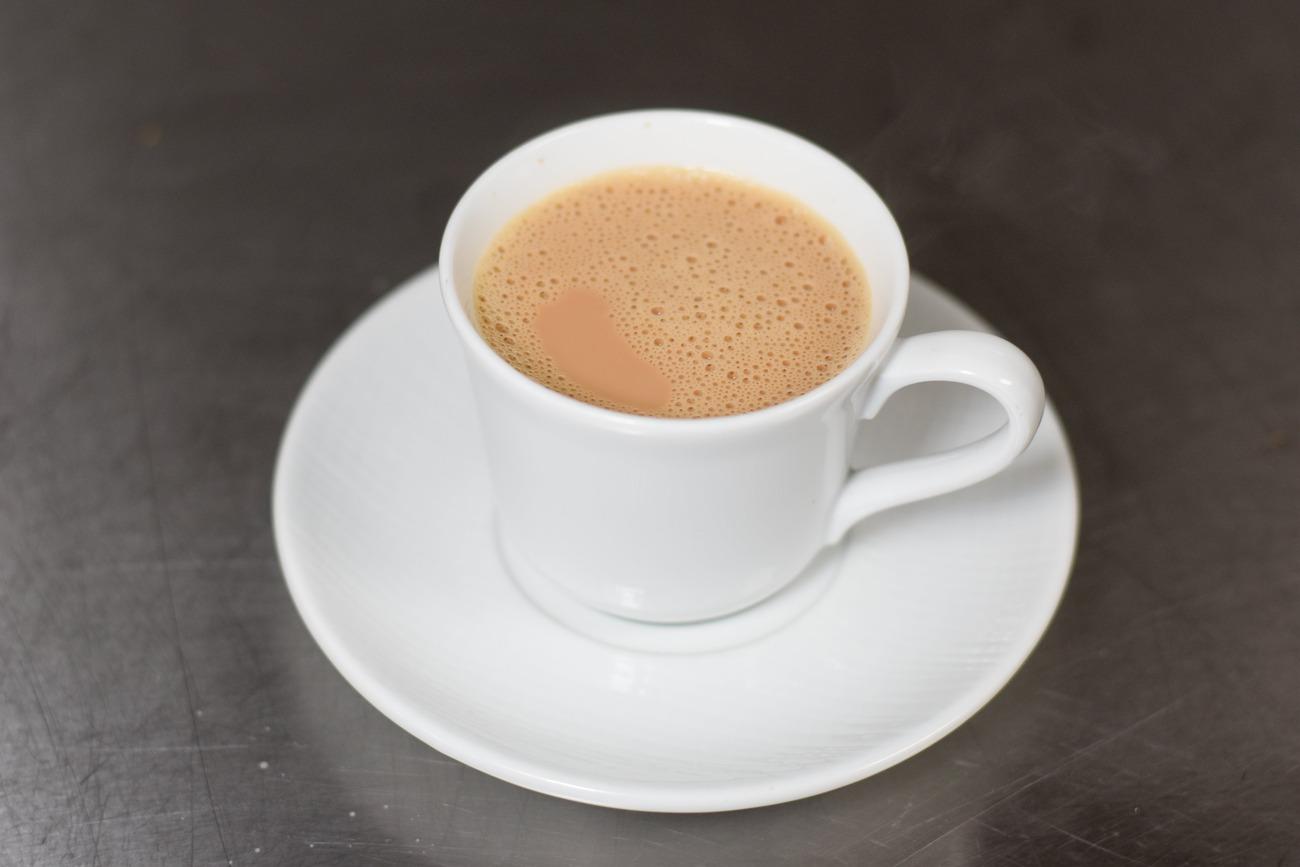
For many people, the day doesn’t truly “start” until the first sip of morning tea. It may look like a simple routine, but psychology, biology, emotions, and even memory all work together to create this feeling. It’s not just about tea — it’s about what your brain connects with it.
1. Your Brain Loves Predictable Routines
The human brain saves energy by creating habits. When you drink tea every morning at the same time, your brain builds a “morning pattern.” Over time, tea becomes a signal that tells your mind:
- “The day has begun.”
- “Wake up and get ready.”
- “It’s time to focus.”
Without that routine, the brain may feel something is missing, even if the body doesn’t actually need tea.
2. Tea Creates a Psychological Comfort Zone
Morning tea is often linked with peace, silence, family conversations, newspapers, or a few quiet moments before a busy day. Because of this, the brain associates tea with comfort and emotional safety.
That’s why skipping tea can make people feel:
- Irritated
- Unsettled
- “Off”
- Emotionally incomplete
Sometimes it’s not the tea you miss — it’s the feeling attached to it.
3. Caffeine Changes Brain Chemistry
Tea contains caffeine, which stimulates the nervous system. It blocks a chemical called adenosine that makes you feel sleepy.
As a result:
- Alertness increases
- Mood improves temporarily
- Energy feels higher
- Concentration becomes sharper
If your brain gets caffeine daily, it begins expecting it every morning. When you skip it, you may feel:
- Headache
- Low energy
- Sleepiness
- Bad mood
This is why morning tea can feel “necessary.”
4. The Ritual Itself Matters
The process of making tea — boiling water, smell of spices, holding a warm cup — activates the senses and calms the mind.
Small rituals reduce stress because they give the brain:
- Familiarity
- Control
- Emotional grounding
Even the aroma of tea can trigger relaxation and positive emotions because smell is strongly connected to memory and mood.
5. It Becomes Part of Your Identity
Many people start saying:
- “I can’t function without tea.”
- “My brain doesn’t work before chai.”
When repeated often, the mind accepts this as truth. This is called a self-conditioning effect. Eventually, the brain believes productivity depends on tea, even if the actual effect is partly psychological.
6. Social and Cultural Influence Plays a Big Role
In countries like India, tea is deeply emotional and cultural. Morning chai is connected with:
- Family bonding
- Hospitality
- Relaxation
- Daily conversation
So missing tea can sometimes feel like missing a social or emotional experience, not just a drink.
7. Habit vs Mental Dependency
There’s a difference between enjoying tea and mentally depending on it.
A healthy habit:
- Makes you feel good
- Fits into your routine naturally
Mental dependency:
- Makes you anxious without it
- Affects mood strongly
- Creates the belief that you “cannot function” without it
For most people, morning tea is a mix of both habit and mild psychological dependency.
Final Thought
Your morning tea is not “just tea.” It’s a combination of:
- Brain conditioning
- Emotional comfort
- Caffeine stimulation
- Daily ritual
- Cultural connection
- Personal identity
That’s why the day can feel incomplete without it. In many cases, the mind is craving the experience and routine as much as the drink itself.
Title Ideas
- Why Morning Tea Feels Impossible to Skip
- Is Your Morning Tea a Habit or a Mental Dependency?
- Why a Cup of Tea Feels Like the Start of Life
- The Psychology Behind Morning Tea Addiction
- Why Your Brain Thinks the Day Starts With Tea

